In November 2013, our Disaster Response team were filmed by the BBC in the Philippines, in the wake of Typhoon Haiyan. The hour-long documentary aired on the 28th April.
Typhoon Haiyan struck the Philippines on November 8, 2013 causing widespread devastation, leaving four million people homeless and killing between four and five million animals.
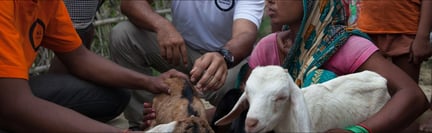
Our team deployed four days after the disaster to provide animals with emergency veterinary care, food and shelter, and to begin putting measures in place to prepare for future disasters.
In the rural areas where our team’s work was focused, animals are essential to the livelihoods of communities. Restoring animals to good health and ensuring their survival is central to long-term recovery.
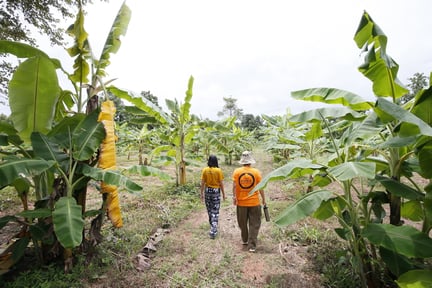
The documentary follows the team in the weeks after the disaster as they help communities to protect against the impact of future typhoons, creating a model ‘typhoon-proof’ farm and training up local teams of emergency vets.
Enjoy the documentary? Find out more in this Q&A with Disaster Response Vet: Juan Carlos.
Restoring animals to good health and ensuring their survival is central to long-term recovery.