Global Impact Report 2025
Moving the world for animals together
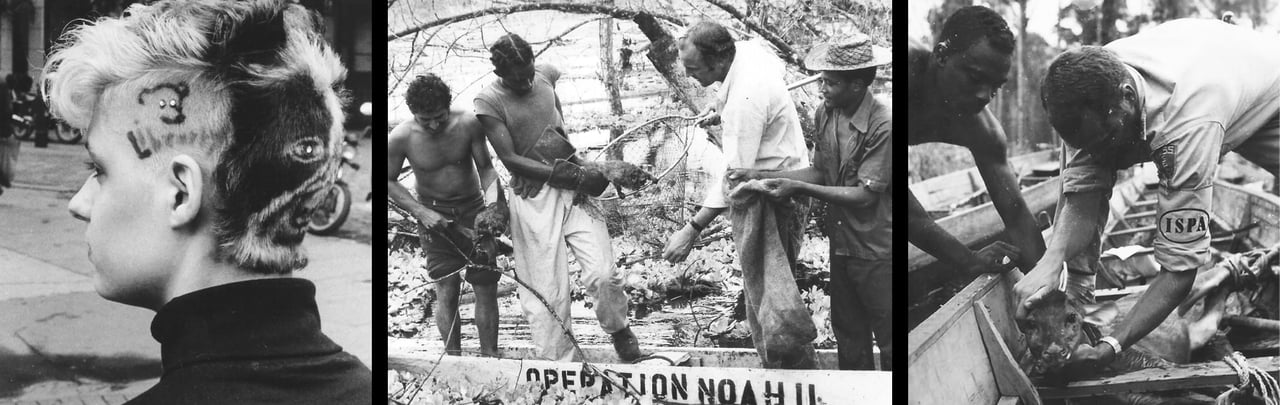
2025 marked an extraordinary milestone: 75 years of protecting animals. If this landmark year has shown us anything, it's that change is not only possible, it is already happening. Step by step, pressure point by pressure point, we are challenging the systems that cause animal suffering and building something better in their place.
This persistence is delivering incredible results, from turning up the pressure on corporate giants like JBS and TUI, to being on the brink of seeing an end to all bear bile farming in South Korea and Vietnam; a historic milestone built over years of dedication, collaboration, partnership and belief that change is possible.
None of this progress could happen without you, our supporters. You are part of a growing global movement that refuses to accept cruelty as inevitable. Together, we are not just imagining a better future for animals, we are building it.
Thank you for being part of it.
Tricia Croasdell, chief executive
Sarah Ireland, chair
During our ambitious 10-year strategy (2021 – 2030) we will:
Ensure that farmed animals live good lives by transforming the global food system.
Stop wild animals from being cruelly exploited as commodities by changing the systems that allow it.
Moving the world in numbers

We celebrated 75 years of moving the world to end animal cruelty and suffering.
Around 76 billion animals were raised in factory farms worldwide in 2020, a staggering number revealed in our Factory Farming Index, a groundbreaking study to expose the industry's scale and its impact on animals, people and the environment.
Our Investing in Others partnership programme has positively impacted more than 6.1 million farm animals across Southeast Asia since it started in 2021.
Up to 5,000 wild animals a year, from birds and mammals to reptiles and manatees, can be cared for at the newly revitalised CETAS Benevides rehabilitation centre we support in Brazil.
Over 4,000 passionate supporters wrote to Webjet, voicing concerns about its links to cruel wildlife entertainment, moving the company to join 224 others in signing our wildlife-friendly pledge.
83 elephants in Bali, and many more across Indonesia, will soon be free from cruel rides after the Indonesian government banned elephant riding, following years of advocacy by us and other organisations.
We joined over 3,000 participants at CITES COP in Uzbekistan, working to ensure global agreements recognise that animals are not commodities, but living beings with intrinsic value.
Romania's Libearty Sanctuary, the world's largest brown bear sanctuary, celebrated its 20th anniversary, marking two decades of partnership with us, rescuing bears from poor conditions and giving them happier, healthier lives.
A total of 184,977 consumers and 8,468 medical professionals in China have pledged to use wildlife-friendly alternatives instead of wild animal parts in traditional medicine and health products.
We launched a new partnership supporting the Reteti Elephant Sanctuary, the first community owned and managed elephant sanctuary in Africa, currently home to 44 orphaned elephants hoping to be released back into the wild.
Transforming the broken food system
Our current food system is broken. With 76 billion animals raised in factory farms, transported and slaughtered for food each year, it is causing immense suffering for animals, people and the planet.
We are working tirelessly to end the cruelty of factory farming and speed up the transition to an equitable, humane and sustainable food system, which respects animals and nature while feeding the world.
Exposing JBS: Avoiding tax while driving destruction
In 2025, we continued to show how JBS, the largest meat producer in the world, embodies the worst practices of factory farming, causing intense suffering of animals, and how its policies significantly contribute to deforestation, land grabbing, and greenhouse gas emissions.
We exposed how JBS has gone to great lengths to minimise its tax bills in its most profitable markets, shifting a greater financial burden onto the very consumers driving those profits. By not paying their fair share of tax, there is less funding for vital public services, including environmental protection, in the countries where JBS operates. Meanwhile, the company can reinvest those savings into expanding their factory farming operations, intensifying animal suffering.
Our 'JBS: Overview of Tax Research Findings' report exposed how the company moves profits away from countries including Australia, Brazil, Canada, Europe, Mexico, the UK, and the USA, into low or no tax jurisdictions such as Luxembourg and Malta. Our report expanded on the findings released by the Netherlands based Centre for Research on Multinational Corporations (SOMO) who estimated that JBS avoided paying between US$221 and US$442 million in corporate taxes.
This loss of public revenue limits governments' ability to invest in areas that could benefit animals, communities and the environment, including environmental protection and supporting farmers to transition to more sustainable, humane systems.
Our report revealed:
Barclays' role in facilitating JBS's tax avoidance. As the world's largest funder of JBS and the UK's most popular bank, Barclays has arranged approximately £5 billion in funding for the company since 2015, generating at least £1.3 billion in profit.
The scale of profit moved through companies in Luxembourg, where JBS has no significant operations. Between 2019 and 2022, these companies reported around US$2.8 billion in profits but paid just US$0.5 million in tax, despite most of that money being generated elsewhere.
JBS's push to access funding through its New York Stock Exchange listing while going to inordinate lengths to minimise the tax it pays in the USA, even though the country accounts for over half of its revenue.
Instead of contributing its fair and reasonable share of tax to the countries where it is most profitable, multinationals like JBS use expensive lawyers and consultants to take advantage of tax loopholes and pass the buck to the everyday taxpayers who make them profitable in the first place.
Other highlights included:
Bringing together over 40 organisations, including government ministries, farmers, young people, and media, to challenge JBS's expansion into Nigeria, delivering a collective rejection of factory farming and promoting a transition to sustainable, community-led food systems.
Launching our first JBS 'crime file', exposing the company's involvement in illegal cattle laundering within Brazil's protected Serra de Ricardo Franco State Park. Between 2018 and 2024, JBS purchased at least 6,790 cattle linked to illegal ranching inside the park, contributing to the park's degradation despite its protected status.
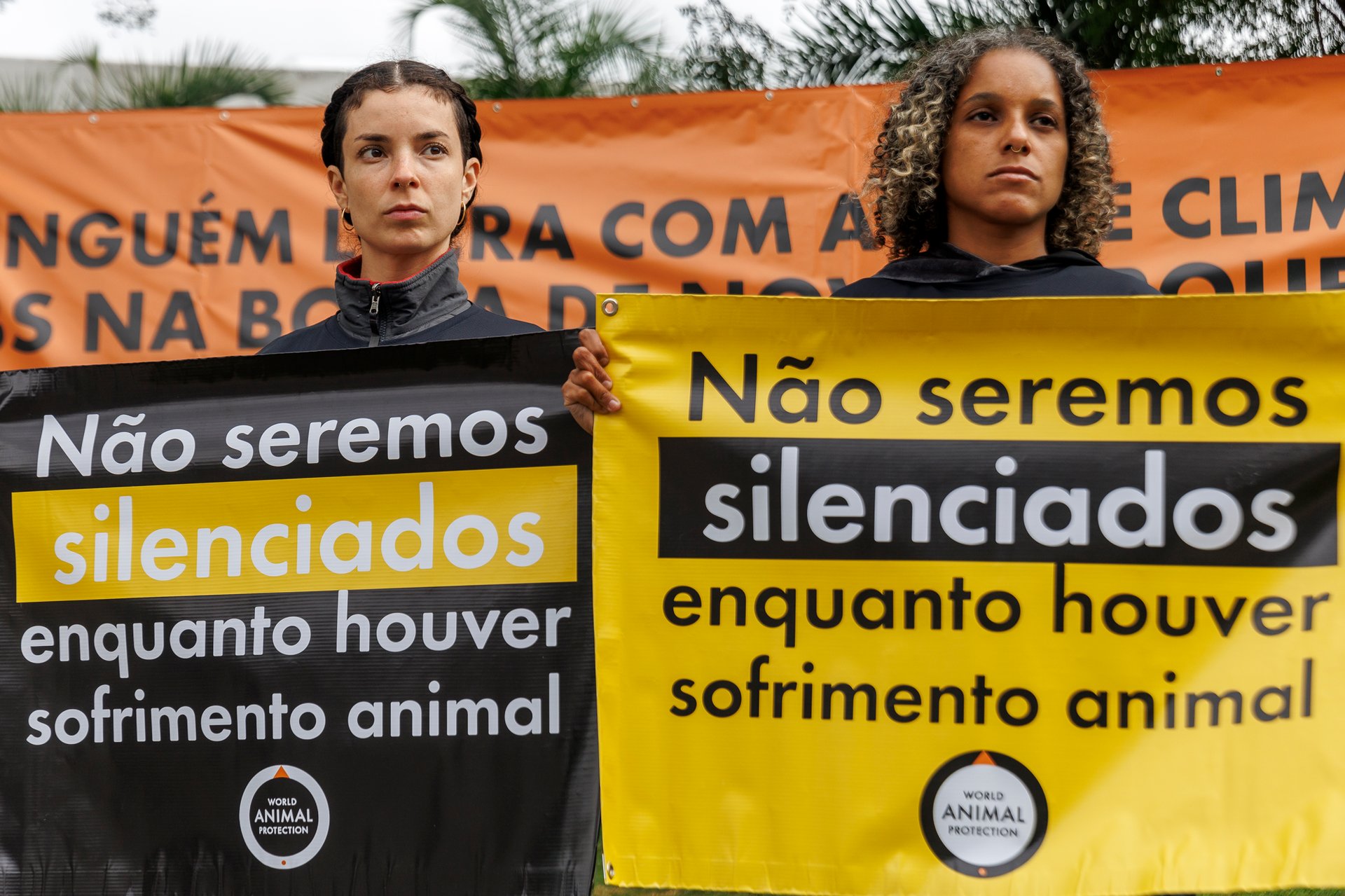
Celebrating the decision of the São Paulo State Court of Justice in Brazil, which confirmed the legitimacy of our peaceful demonstrations after JBS filed a lawsuit to restrict protests and remove critical content. The judge recognised our actions fell within the constitutional right to freedom of expression and demonstration.
Exposing the true cost of factory farming
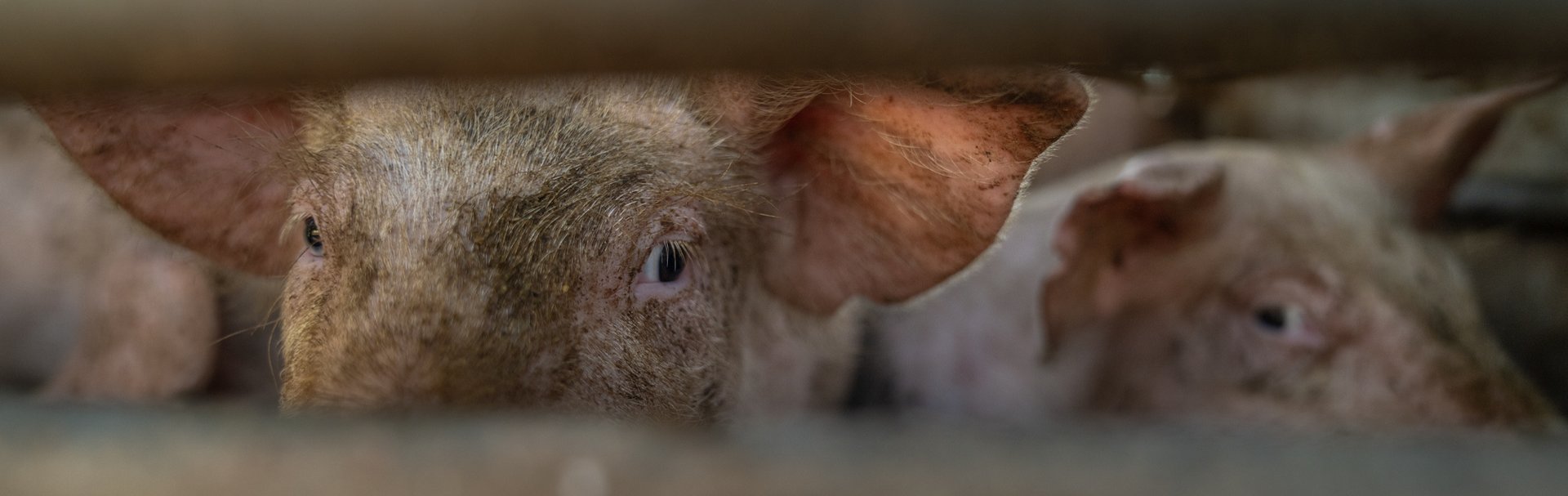
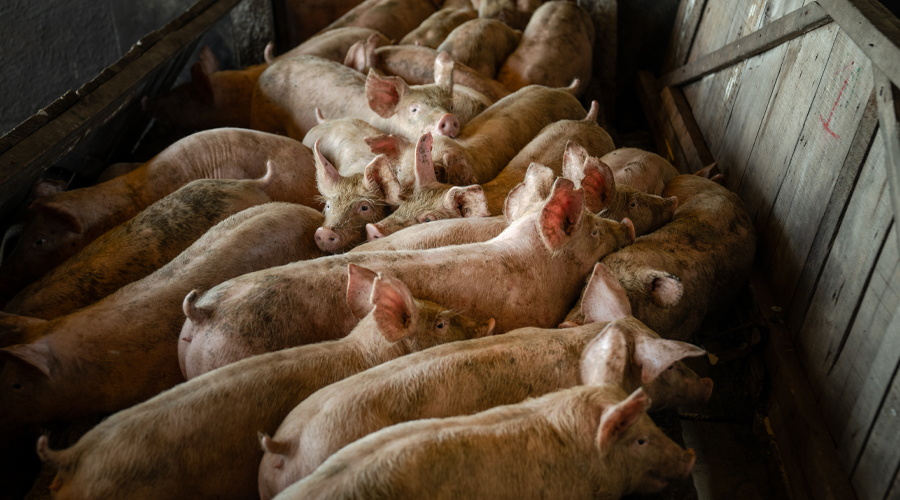
We launched a first of its kind global study examining factory farming in 151 countries. The 'Factory Farming Index' exposed the staggering scale of animal suffering, human health risks and environmental damage on a global scale, at country level, and per person.
The study, carried out in collaboration with the University of Oxford, presents the critical evidence needed to rethink how we produce and consume food. It shows that the only real solution to achieving an equitable, humane and sustainable food system is to move away from factory farming and prioritise plant-based diets and higher welfare small scale farming.
The reports key findings included:
76 billion animals were raised in intensive systems worldwide in 2020, with 46% of chickens, pigs and cows coming from just four countries: China, Brazil, the USA and Indonesia. Globally, an average of 10 factory farmed animals are raised and slaughtered per person each year.
1.8 years of healthy life is lost per person globally, on average, due to factory farming. This is due to the heavy use of antibiotics in farming causing antibiotic resistance, respiratory diseases in people living or working near these facilities, and diet related illnesses from excess red meat consumption, which is linked to cancer, heart disease, type 2 diabetes, stroke and kidney disease.
29.7% of global greenhouse gas emissions and around 25% of all human-caused water pollution is driven by agriculture, an industry that also consumes 14% of freshwater withdrawals and 350 million hectares of cropland (about the size of India), mostly to grow animal feed.
This research is clear: in order to achieve a better quality of life for people, we need a better quality of life for animals. This ultimately means prioritising plant-based diets, ending factory farming, and reducing the environmental impact that we are all facing if we don't act.
Putting animals on the agenda at COP30
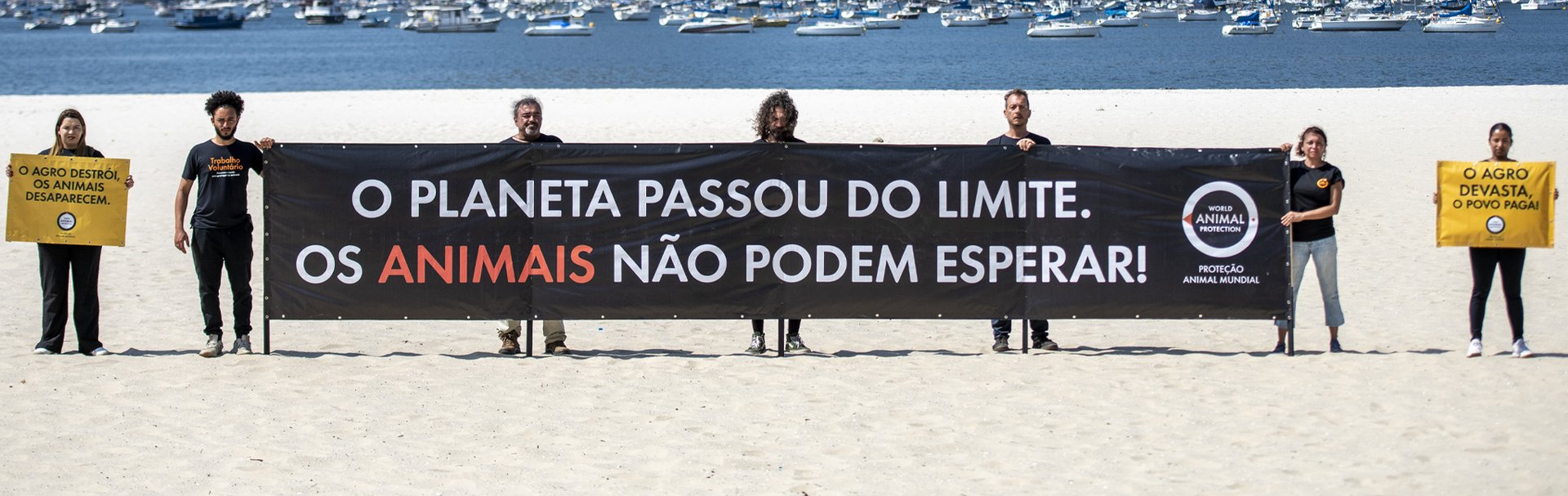
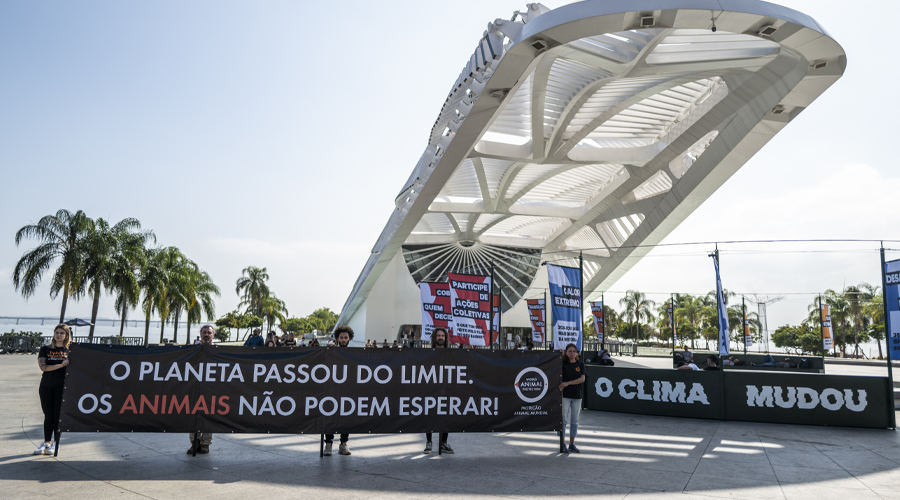
In November 2025, Belém, Brazil, hosted UNFCCC's COP30. This was the first time global climate talks were held in the heart of the Amazon, a powerful reminder of what's at stake. Our team worked tirelessly to bring animals into the climate conversation by making the link between factory farming, deforestation and the climate crisis impossible to ignore.
We revealed a stark truth through the launch of our powerful report, 'Subsidising Factory Farm Harm'. Governments, including major economies such as China, the EU, India and the USA, are funnelling alarming amounts of public subsidies into factory farming, driving animal suffering and climate change.
We used this report to engage decision makers and partners to make a compelling case to shift away from these harmful subsidies, and the response was overwhelmingly positive. Many told us our findings were both timely and urgently needed, recognising that tackling these subsidies is essential to transforming the global food system.
Overall, COP30 did not deliver the outcomes the world urgently needs, with no concrete plans to phase out fossil fuels or end deforestation, but we ensured animals are now part of the conversation. New alliances were formed, concrete mechanisms were created that we can build on, and governments heard a clear message that the era of subsidising cruelty must end.
Our work at the conference included:
Influencing the debate by speaking at more than 10 events and engaging directly with negotiators and government representatives from Brazil, Denmark, Ghana, Senegal, the UK and beyond.
Challenging big agriculture in a protest at the 'Agrizone', a new agribusiness zone at COP. Alongside other campaign groups, we emphasised the risks of allowing this industry to influence climate negotiations.
Securing recognition of food and agriculture within the COP30 agenda, contributing to their inclusion in the Just Transition Mechanism and the Belém Declaration. For the first time, decision text goes beyond energy to acknowledge food production, smallholders and ecosystem protection.
Other highlights were:
Joining key mobilisations at the People's Summit, including marching alongside 70,000 people and taking part in 'Barqueata' where over 200 boats and 5,000 people from 60 countries sailed in solidarity with Amazonian communities, calling for climate justice.
Mobilising 30 people to join our new volunteer programme in Belém, building a growing movement that will continue to support future activities long after the conference ends.
Attending the opening of CETAS Benevides; a newly revitalised rescue, recovery and release centre near Belém. Our support means the centre is now equipped to care for up to 5,000 wild animals a year, from birds and mammals to reptiles and manatees.
Investing in Others
Every day in Southeast Asia, millions of farmed animals live in conditions that cause immense suffering, out of sight and out of mind, reduced to commodities on a plate. Government policies and investment across the region are prioritising scale and productivity over animal welfare, leading to the rapid expansion of factory farming.
Ending factory farming requires change across the entire food system, from farms and companies, to finance, policy, and public demand. This challenge demands collective action, across borders and sectors, and many key changes must be driven locally.
That's where our Investing in Others project comes in.
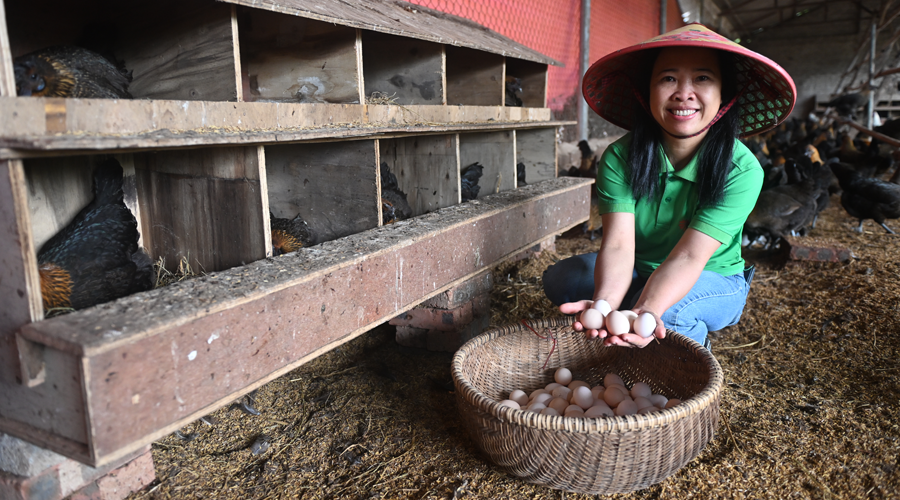
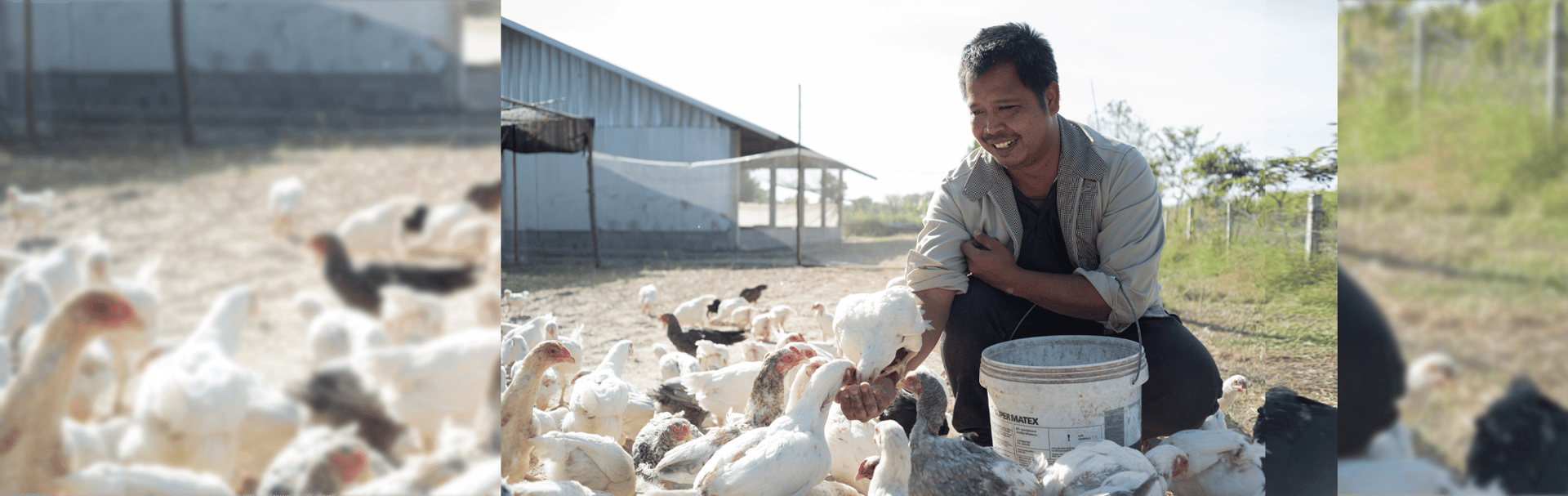
In partnership with Coefficient Giving (formerly Open Philanthropy) and funding from the Netherlands Postcode Lottery, we award small but powerful grants to local organisations across Southeast Asia, enabling them to increase their capability and grow their collective potential to transform the global food system.
Over the years, the project has built strong foundations, and we are seeing progress with animal welfare now in people's hearts and minds, and tangible change on the ground.
Results include:
Philippines: pilot farms are demonstrating that higher welfare chicken farming improves animal health and that consumers are willing to pay more for it. This has convinced some food companies to join a voluntary certification created for those who adopt better practices. Welfare considerations for shrimp and milkfish have also been written into national standards, laying the groundwork for lasting change in aquaculture.
Vietnam: collaboration between farmers, businesses, and consumers is building the country's first cage-free egg network, developing a market where higher welfare farming can thrive beyond individual projects. Efforts are also underway to strengthen welfare in aquaculture, aligning improvements with national standards and sustainable development.
Indonesia: public campaigns are linking animal welfare with consumer rights, food safety, and responsible production, sparking awareness and building strong market pressure for change.
Other achievements in our fight for farmed animals included:
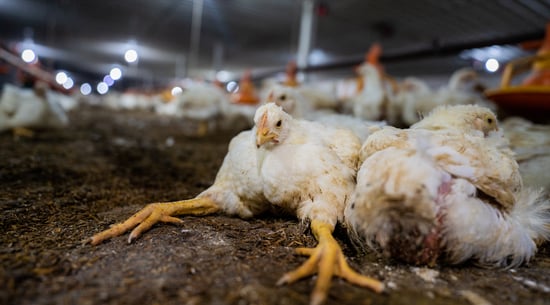
Despite its claim of 'Growing a better world together,' Dutch banking giant Rabobank is helping drive the very crises it pledges to solve. We launched our report 'Cooperating in cruelty and climate breakdown' to expose the bank's deep ties to factory farming and its membership of influential lobbying organisations that obstruct urgent change.
We also highlighted the vast sums it invests in JBS; funding linked to animal cruelty and enormous environmental devastation. By shining a light on these connections, we are challenging the bank's public narrative and pushing it to drop its planet destroying links with JBS and genuinely work to grow a better world.
Image credit: Haig / World Animal Protection / We Animals Media
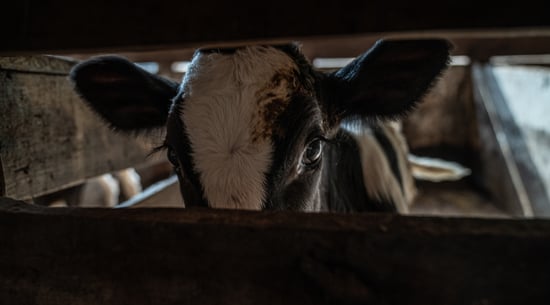
Stena Line stops the cruel transport of calves
Stena Line announced the closure of a ferry route responsible for the suffering of over 200,000 three-week-old calves every year, following years of campaigning by us and other organisations. The unweaned calves suffer extreme stress and hunger, while locked inside transport trucks for days during the exhausting 18-hour sea crossing from Ireland to France.
We sent an open letter to Stena Line's CEO asking for the end of the transportation of calves and escalated the issue to the EU's new Commissioner for Animal Welfare. Sadly, while Stena Line has closed their ferry route, the long-distance transport of newborn calves can still happen, and we will continue to push for legislation until it's banned completely.
Image credit: Vincenzo Ricci / World Animal Protection / We Animals
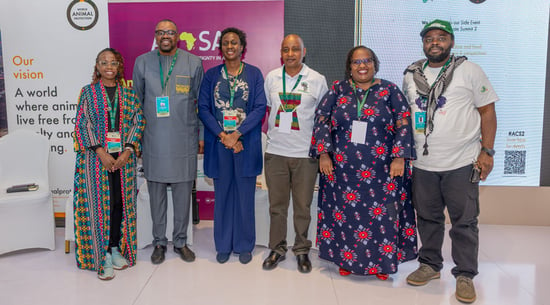
Strengthening our influence at Africa Climate Week
At Africa Climate Week and the Africa Climate Summit in Addis Ababa, we helped shape key conversations on how communities can adapt to climate change and what funding may be needed to support them. By taking part in high level discussions, we pushed for stronger, more resilient food systems and made the case that protecting animals must be part of the solution to the climate crisis.
For the first time, we hosted three well attended side events, positioning ourselves as a credible voice on how we can move away from factory farming and towards higher welfare and sustainable animal agriculture. With stronger partnerships and increased visibility across governments and civil society, we continue to step up our engagement and impact in this area.
Transforming the world for wildlife
Millions of wild animals are exploited every year. Bred in captivity or captured from the wild, they live a life of suffering used for tourist entertainment, for medicine, as pets or products.
We are working to make this the last generation of wildlife to suffer for profit by tackling some of the worst abuses and helping wild animals thrive in the wild where they belong.
A growing movement to stop suffering
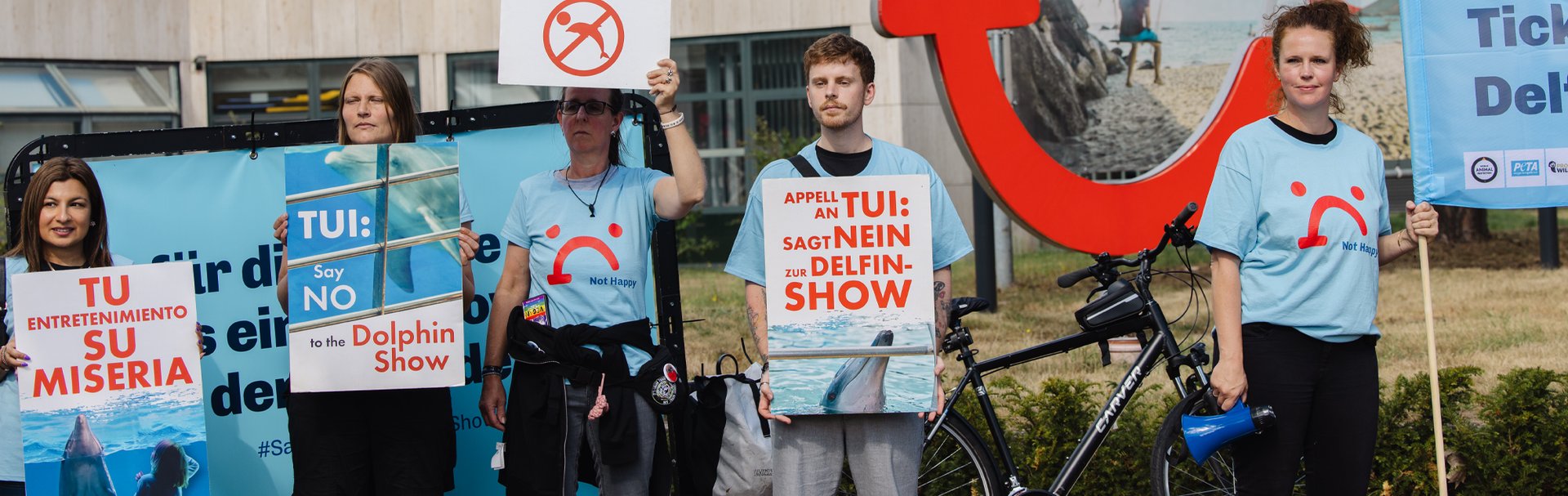
One of the largest travel companies in Europe, DERTOUR, announced it will stop selling tickets to venues that exploit dolphins in captivity. The DERTOUR Group owns over 180 tour operators and travel brands, including Kuoni, making this a significant and welcome decision. Holidaymakers booking through its brands will no longer be offered harmful dolphin shows or swim with dolphin experiences.
Webjet, one of Australia's largest online travel agencies, also announced their intention to collaborate with us to develop an animal welfare policy. The announcement followed the release of our 'Web of Cruelty' report, which highlighted the activities and experiences listed on Webjet's website linked to low welfare animal venues around the world. Over 4,000 passionate supporters wrote to the company to voice their concerns about how they profit from elephant rides, orca shows, and tiger selfies.
This is all building pressure on large companies such as TUI and GetYourGuide to finally act. We are continuing our campaign to push influential companies to set a vital precedent for accountability across the travel industry.
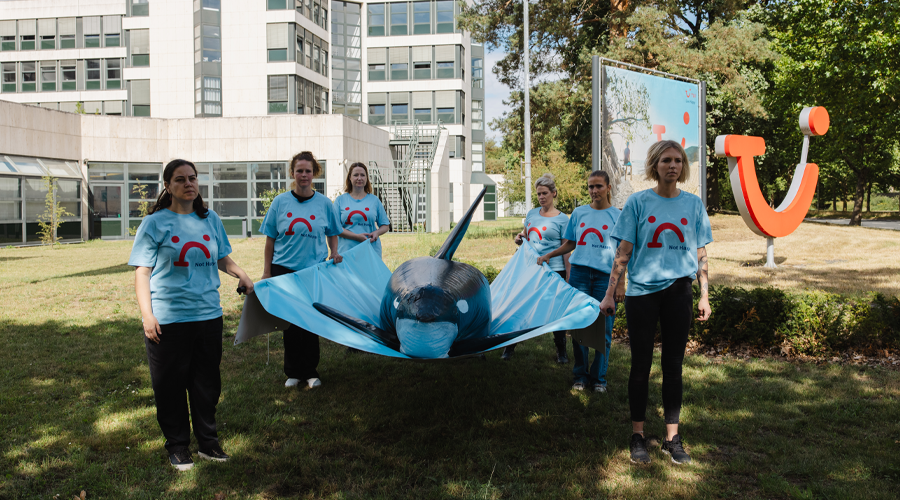
Our work to move TUI to act included:
Reinforcing pressure through our report, 'Stories of Suffering: What TUI Isn't Telling You', which exposed how the company is still promoting more than 400 offers linked to 37 venues holding around 580 whales and dolphins captive.
Delivering a powerful stunt targeting TUI's headquarters in Hanover, Germany, uniting 21 animal welfare organisations where a life size orca model was driven through the city, flanked by bold campaign messages. The action secured widespread media coverage and put real pressure on TUI's senior leadership.
Releasing an open letter to TUI Group signed by 54 high profile supporters from multiple countries. This "No thank you, TUI" initiative generated radio and press coverage across Europe, linking dolphin exploitation to brand reputation risk.
It is now time for every travel brand operating globally to match these commitments and protect wild animals. By phasing out captive wildlife experiences and promoting ethical wildlife adventures, the travel industry plays a leading part in ending animal suffering and advancing responsible tourism worldwide.
Major win for elephants in Indonesia
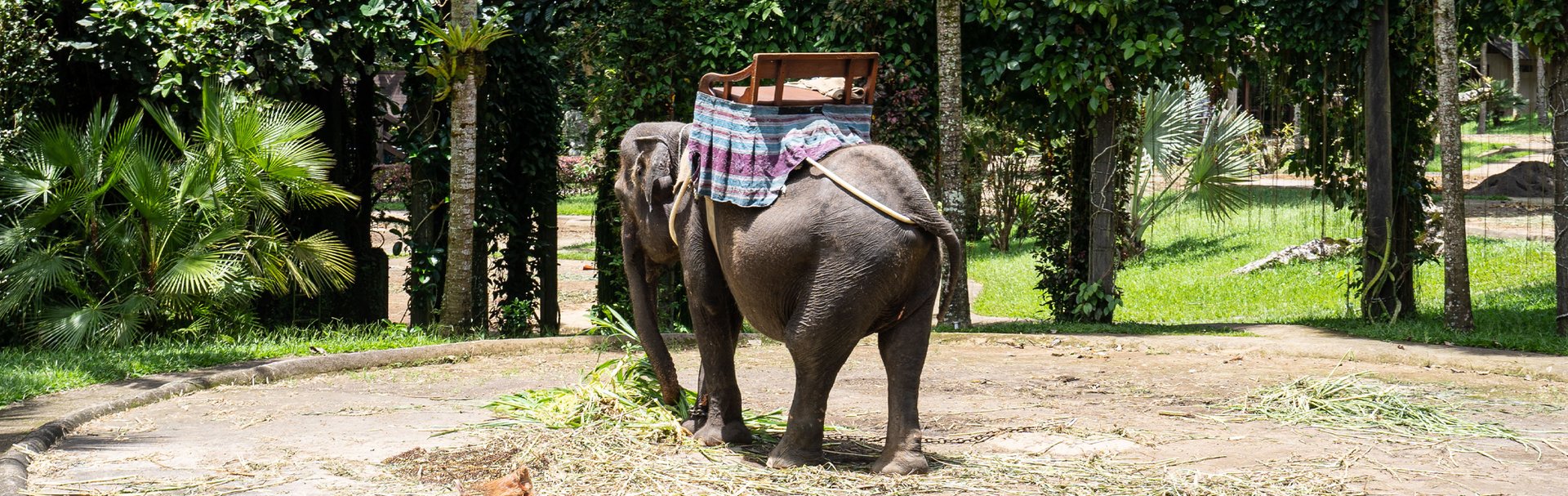
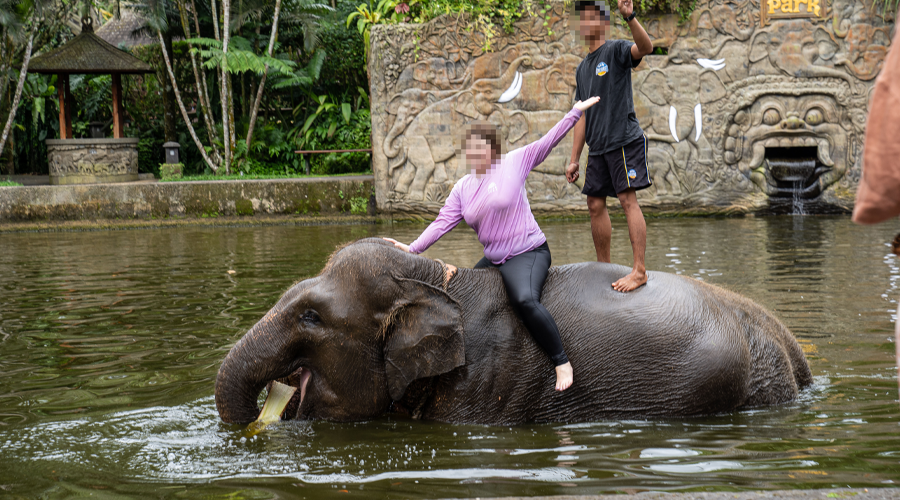
We are celebrating a world leading step by the Indonesian Government to end elephant riding at tourism venues, parks, and wildlife attractions. After years of advocacy by ourselves and other organisations, the decision means 83 elephants in Bali, and many more across Indonesia, will soon be free from cruel rides.
Bali is one of the world's iconic tourism destinations, especially for tourists from East and Central Asia. It is also a hotspot for animal suffering in entertainment venues, so change here will have a big impact.
For over a decade we have campaigned to end the exploitation of animals in tourism, exposing the suffering of elephants and other animals trapped in entertainment venues, while building awareness of the cruelty behind elephant rides and close encounters.
This is a major step forward in the fight against captive wildlife tourism. It sends a clear signal to elephant venues and other governments that public attitudes are changing, so they must change too.
Key moments in our campaign included:
Releasing in 2018 our 'Wildlife Abusement Parks' investigation into welfare at 26 wildlife tourism venues in Bali, Lombok and Gili Trawangan. In response, major travel companies, including FlightCentre, removed elephant rides from their websites.
Revisiting venues post COVID as part of our 'Holidays that Harm' report, which generated strong international media interest, and started discussions with Southeast Asian Zoo Association (SEAZA). The report was shared with key government departments by our local partner, Sintesia.
Helping the new progressive chair of World Association of Zoos and Aquariums in 2024 to put pressure on SEAZA to ban elephant rides at member venues across Southeast Asia. Three venues ceased riding that year.
Engaging with the Indonesian Department of Natural Resources via our local partner to advocate for improved welfare for captive wildlife in Bali tourism venues in 2025.
From trade to protection at CITES
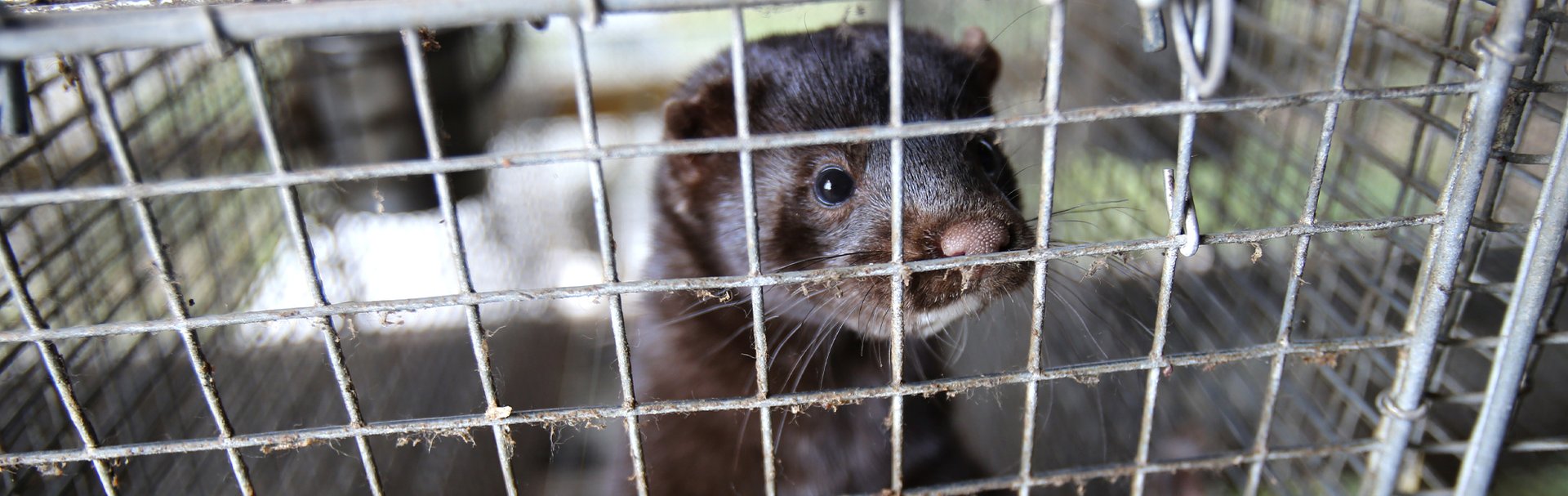
Image: European mink cage-grown for fur. Credit: Algimantas Barzdzius/Shutterstock
At the end of 2025, we attended CITES COP20 and launched our new wildlife trade report. Two weeks of challenges and progress delivered wins for species protection and strengthened partnerships.
The Convention on International Trade in Endangered Species of Wild Fauna and Flora (CITES) is the world's leading forum on international wildlife trade. This year, over 3,000 participants gathered in Uzbekistan, including country delegations, advocates, and media.
Often at CITES, discussions focus on trade rules and population numbers, while the suffering of individual animals is ignored. We are pushing for global agreements to reflect that animals feel fear, pain, and joy, and towards a future that respects them as living beings with intrinsic value.
Our presence ensured animal welfare was not forgotten, while campaigning for greater wildlife protections, in a space often dominated by those seeking to profit from the global wildlife trade, from hunters to pet traders.
Highlights included:
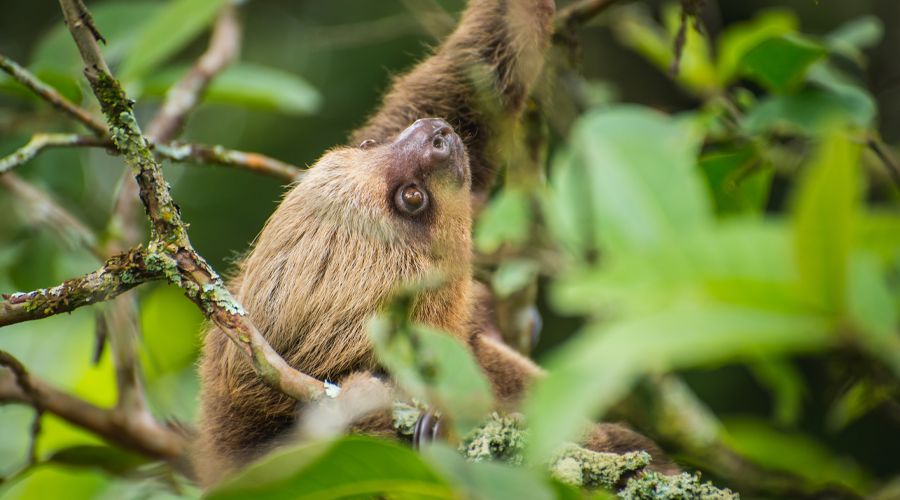
Hosting a side event supporting a proposal by Brazil, Costa Rica and Panama to protect two toed sloths from being exploited by the pet trade and tourism industries, where they endure cruel close encounters and selfies. Parties voted to include them in Appendix II, introducing strict international trade controls.
Celebrating the agreement to upgrade the Galápagos iguana to the highest level of protection in Appendix I. This prohibits almost all commercial international trade, representing a win for our work on reptile welfare.
Launching our report 'The hidden cruelty behind the global wildlife trade', exposing the suffering caused when trading animals as pets, food, fashion, or for entertainment.
Ending an era of cruelty for bears
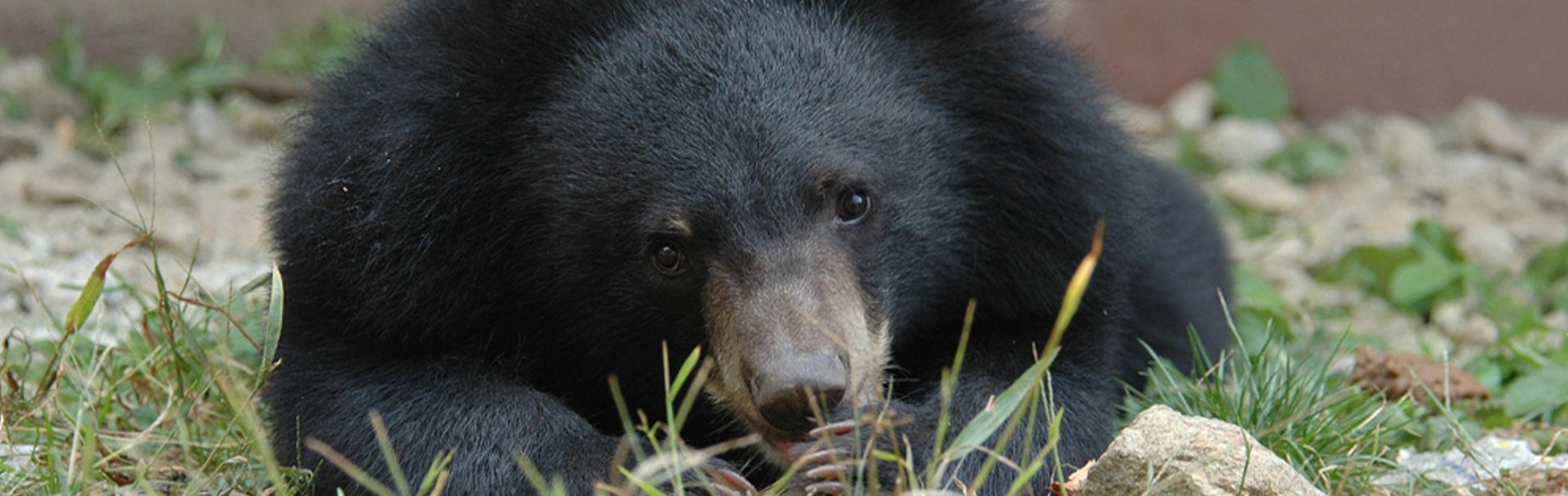
After decades of dedication, relentless effort, and tireless advocacy, a historic victory for bears has finally been achieved in South Korea. On 1 January 2026, the bear bile farming industry that keeps these sentient animals in tiny cages, enduring pain and suffering, came to an end.
Since 2003, we have partnered with Green Korea United to end the bear bile industry in South Korea by building public support and pushing for the improved welfare of captive bears. That persistence has paid off. From the start of 2026, the government has made the ownership, breeding, and trade of bears and bear parts illegal, marking an incredible milestone, with a short transition period now underway.
Thanks to this partnership and the hard work of Green Korea United this will be the last generation of bears exploited for their bile in the country. They will now focus on making sure all remaining bears can live out the rest of their lives, free from pain and suffering.
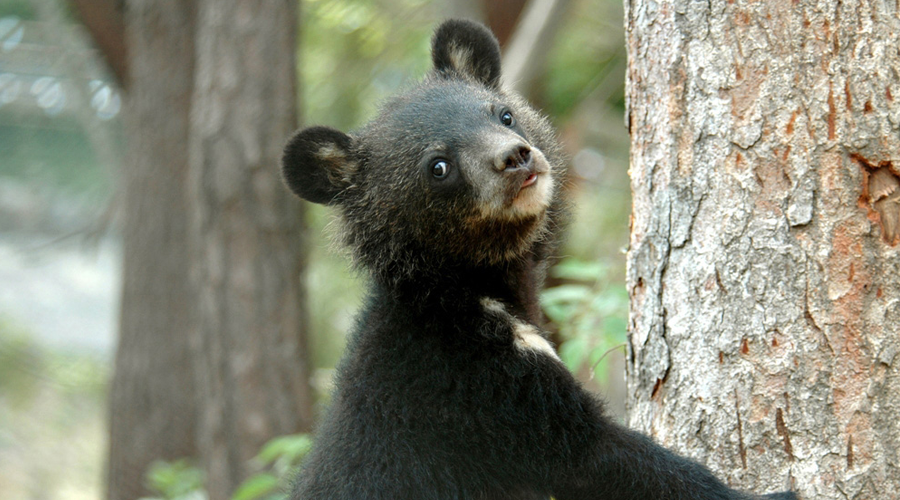
Remarkable progress has also been made in Vietnam. When bear bile farming was outlawed in 2005, around 4,300 bears were still held on farms and illegal production continued behind closed doors. Since then, we've worked with authorities to identify and microchip these bears, enabling extensive monitoring and enforcement. Over time, unregistered bears and those without microchips were confiscated and moved to rescue centres or sanctuaries run by organisations including Four Paws, Free the Bears and Animals Asia Foundation.
Working alongside authorities and our local partner, Education for Nature Vietnam, we have helped identify illegal operations and support the voluntary surrender of bears. By the end of 2025, the number of bears on bile farms had fallen by a staggering 96% since 2005, leaving just 147 bears remaining.
These are not just victories for bears, but victories for everyone who has worked so tirelessly to protect them. With the bear bile industry nearing its end in both countries, we are turning our focus to China, which may be the last country where this cruel industry is still legal.
I imagine if you were to go back 20 years, people in our organisation were perhaps told it wouldn't be possible to end the bear bile industry in Vietnam or South Korea. And now, 20 years down the line, the evidence points to the opposite.
Dedicated people with the passion and the tenacity to make a change will always win out. It will take time, and it can seem insurmountable, but change can and does happen.
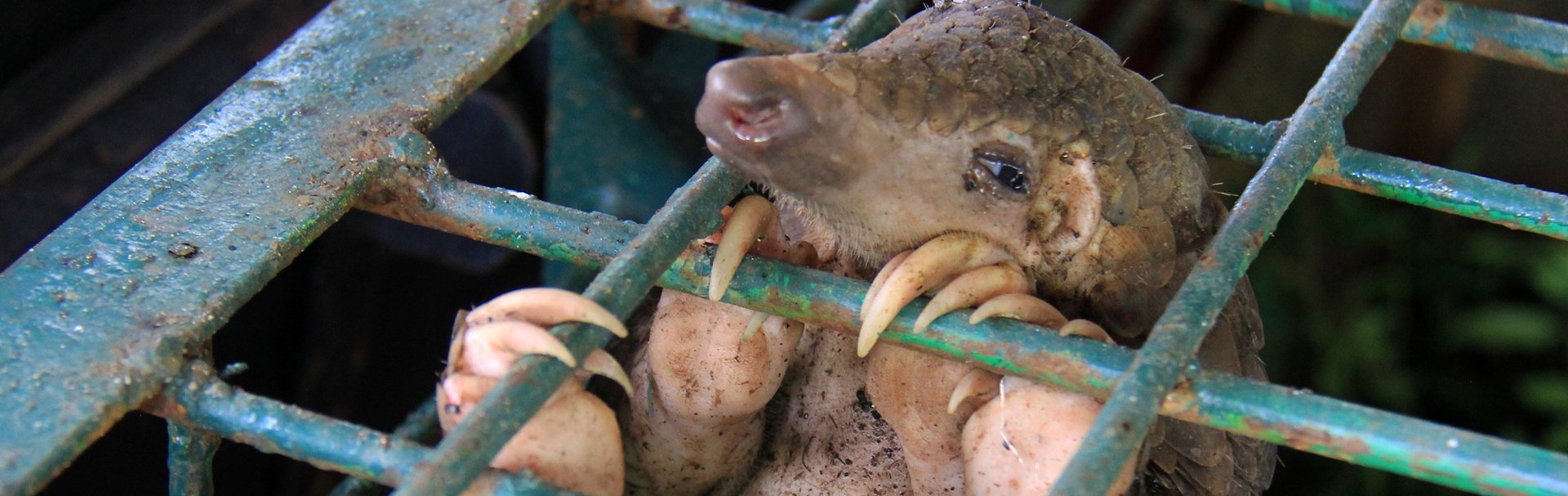
A historic shift in pandemic prevention
Image credit: Shutterstock / Arief Budi Kusuma
Countries around the world have approved the World Health Organization Pandemic Agreement, the first legally binding international agreement that includes the concept of One Health: recognition of the connection between people, animals, and environmental health. This historic event has been years in the making.
In 2020, we launched a campaign to end the global wildlife trade, targeting the G20, an intergovernmental forum for dealing with common global challenges such as climate change, pandemics and global economic recovery. This was followed by a proposal for a global agreement on pandemics. Drafting began in 2021, with this important milestone just four years later, a relatively short time for creating a new international agreement.
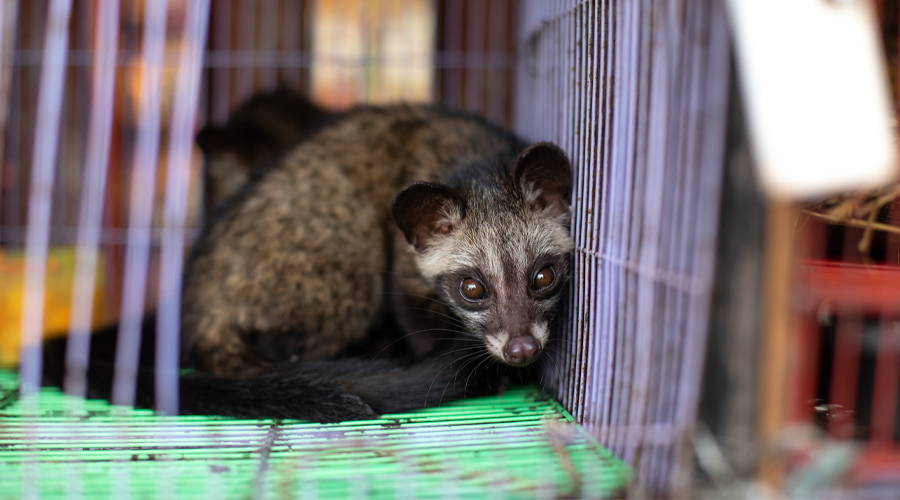
Throughout this journey, we have worked closely with partners to engage with national governments, international bodies, allied civil society organisations, academics, and other experts. We have been driving home the message that if we don't address the root causes of pandemics, like poor animal welfare, wildlife exploitation, and factory farming, we cannot effectively prevent them in the future. In the agreement, we secured language on prevention, One Health, and connecting people, animals and the environment.
Countries around the world must now take action to tackle the drivers of health and welfare problems that lead to pandemics, including factory farming, habitat destruction, and commercial wildlife trade.
The Pandemic Agreement marks a historic moment after years of hard work and dialogue amongst World Health Organization member states. We welcome this progress, which rightly places prevention as key, and embraces a One Health approach - recognising the vital connection between people, animals, and the environment.
Most emerging infectious diseases in humans originate in animals - a clear reminder that we are interconnected. Collectively, we've taken the first step toward turning that knowledge into coordinated action.
More progress to end wildlife exploitation
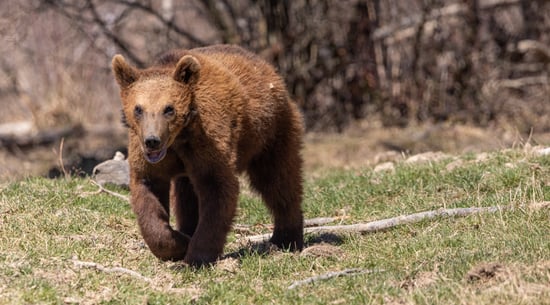
Celebrating 20 years of Libearty
Since 2005, we have worked alongside Millions of Friends Association to create and support Romania's Libearty Sanctuary, the world's largest brown bear sanctuary. It was established to legally rescue bears from poor conditions and end their cruel confinement in private captivity.
For 20 years, we've supported the sanctuary to identify bears in need of rescue, negotiate their release with the owner, and provide a safe, stimulating environment where they can live a life free from cruelty under expert care.
Today, Libearty provides lifelong care to over 100 rescued bears, finally safe and free to be bears again.
Image credit: Asociatia Milioane De Prieteni (AMP).
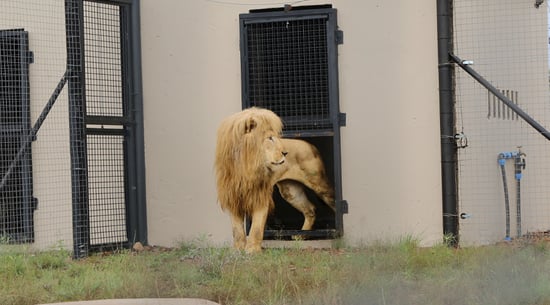
A lion's flight to freedom
Mannie the lion spent years alone, suffering in a cramped enclosure at a theme park in the Netherlands. With little space to move and hardly ever seeing the light of day, his distress was clear.
Together with Bite Back, Mondo Verde and The Lions Foundation, a new home was secured at a sanctuary in South Africa. We launched a dedicated fundraising campaign to cover the costs of Mannie's transport and build his new enclosure. Thanks to this collective effort, and the generosity of our supporters, Mannie finally made the flight to Johannesburg. And, after a long journey, he arrived at his new home.
He is now exploring, resting outside in the shade, and starting his recovery after years of suffering.
Image: Mannie's first steps in his isolation enclosure. Credit: The Lions Foundation.
The ground beneath Joyce
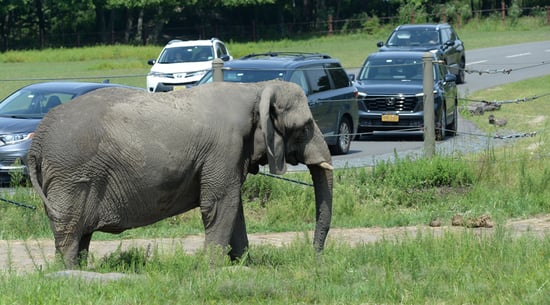
Joyce the elephant cannot escape the world built around her. At Six Flags Great Adventure theme park in New Jersey, rollercoasters roar, trucks rumble, and machinery hums, making the ground shake beneath her feet.
To understand the impact on her, we partnered with Terrapin Sensing and the University of Maryland Department of Geology to measure the intensity and sources of this shaking. The results of 'The Ground Beneath Joyce' found these vibrations mirror the low frequency signals elephants use to communicate in the wild. But instead of connection or comfort, Joyce experiences a constant, confusing noise she cannot escape.
These findings add to growing concerns about keeping elephants in theme parks, underscoring the urgent need to relocate Joyce to a sanctuary where she can finally live in peace.
Wildlife-friendly healing
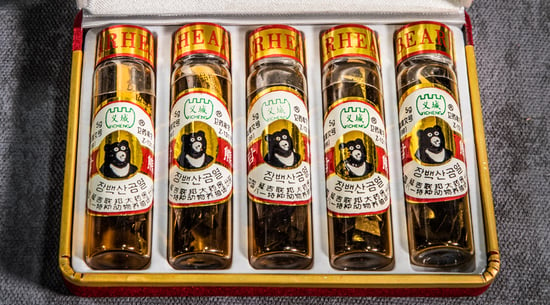
In 2025, three more pharmaceutical and healthcare companies in China signed our pledge to refuse products, medicines, and health supplements containing wild animals, and support 'wildlife-friendly' medicines that are primarily based on plant-based and synthetic products. These companies, alongside 2,118 doctors and traditional medicine practitioners, and 53,177 consumers, all joined the growing movement of people challenging the traditional concept that wild animal ingredients are necessary and irreplaceable. There are now a total of 184,977 consumers and 8,468 medical professionals pledging to use wildlife-friendly alternatives.
For a company to become wildlife-friendly it must first recognise the harm and abuse caused by the use of wild animals in medicine. Signing the pledge is a public commitment to reject the use of wild animal ingredients in the production, research and development, and sales processes. They must also raise awareness of the issues among consumers, to reduce demand for these products.
Image: Vials of bear bile used in traditional medicine. Credit: Britta Jaschinski.
A return to the wild for Reteti's orphaned elephants
Across Africa, elephants are symbols of wisdom, strength, and harmony with nature. Yet their survival is increasingly threatened by drought, habitat fragmentation, poaching, and conflict with people.
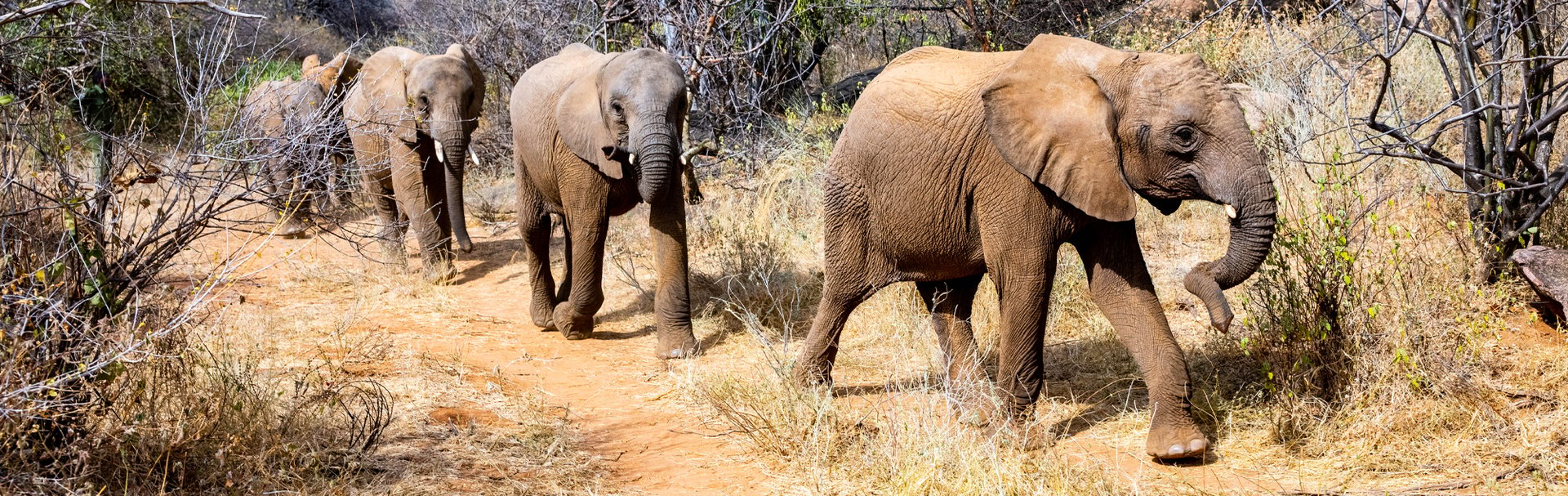
In northern Kenya, hope is taking root. The Reteti Elephant Sanctuary, the first community owned and managed elephant sanctuary in Africa, offers orphaned elephants a second chance at life. Located within the 850,000 acre Namunyak Wildlife Conservancy, inside the Great Northern Elephant Corridor, Reteti rescues, rehabilitates, and rewilds orphaned elephants. This corridor allows elephants to move freely across the landscape and is essential for sustaining a healthy, resilient population.
Reteti stands as a model of grassroots conservation due to the significant involvement of the Indigenous Samburu community. Its creation in 2016 reflects their deep-rooted tradition of peaceful coexistence with wildlife and was driven by the community's call to protect the vulnerable elephants around them. The sanctuary is entirely owned and managed by the Samburu community, whose knowledge, care, and commitment make it all possible.
In 2025, we were proud to launch a partnership with Reteti to support their inspiring work and help shine a light on the remarkable journey of the orphaned and injured calves in their care, from their rescue and rehabilitation to their eventual release back into the wild.
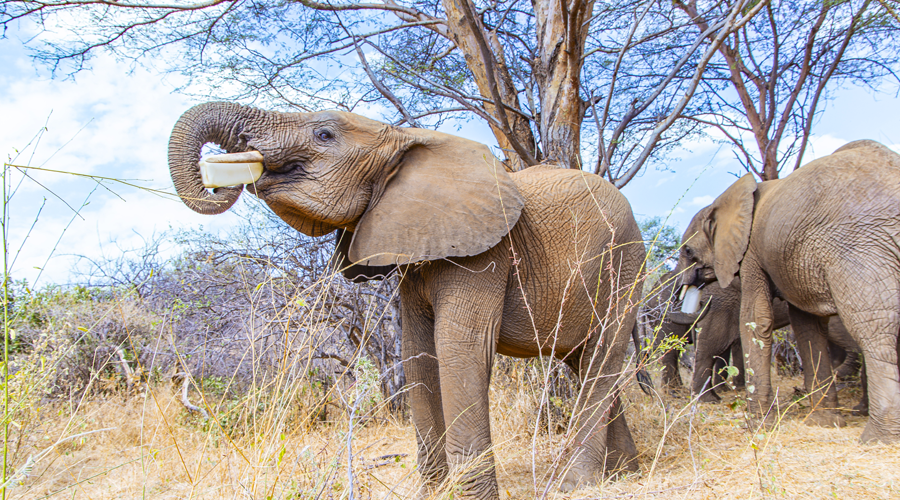
Reteti is delivering positive change not only for elephants, but for the local community too. Through the 'Milk to Market' programme, over 1,280 women earn a sustainable income by supplying surplus goats' milk to the sanctuary.
Goats milk is nutritionally similar to elephants' milk and since replacing formula, elephant calf survival rates have jumped from 50% to an incredible 98%. Every day, 680 litres of locally sourced milk is delivered by young riders travelling long distances across rugged terrain, ensuring a reliable, high quality milk supply for the elephants, while strengthening local livelihoods, improving animal husbandry, and instilling a sense of pride among young people in the community. It is a true win-win programme for both people and wildlife.
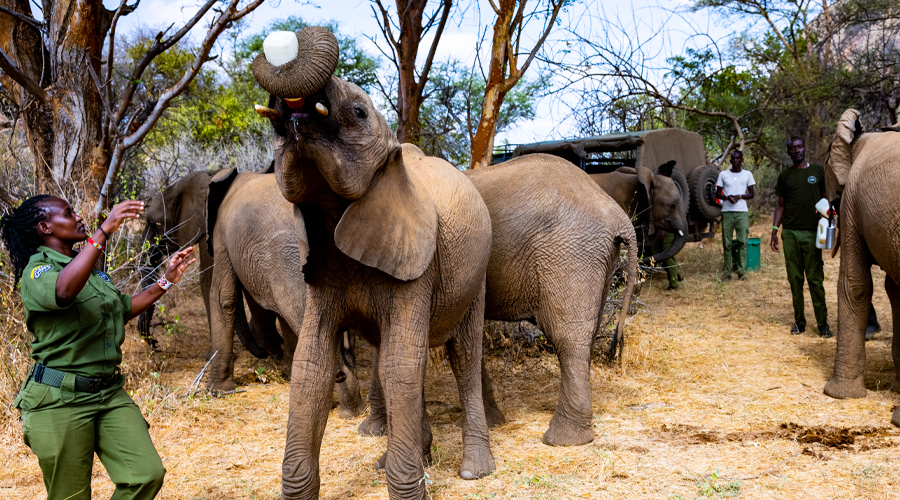
To bring this story to life, we produced a new documentary, 'Return to the herd: the story of Reteti’s young giants'. It captures powerful stories documenting the specialist care provided by the Samburu elephant keepers and vets on call. It shows the rehabilitation techniques used to help calves recover from their ordeals, the 'Milk to Market' programme, and the release and subsequent monitoring of the herd following their return to the wild. Most importantly, it shares a vision of what can be achieved when communities lead the way.
Reteti is currently home to 44 orphaned elephants, each with their own unique story. We are excited to grow this partnership and help support the local community caring for these elephants. Together, we can build a movement that creates lasting change for animals, communities, and the planet.
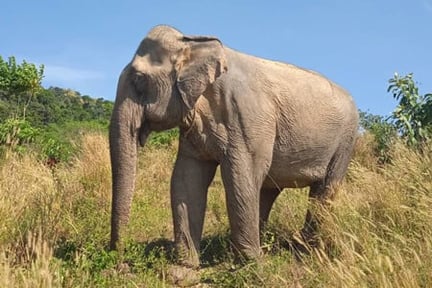
Reteti Elephant Sanctuary demonstrates what ethical conservation looks like: rescuing, rehabilitating, and rewilding orphaned elephants, giving them a pathway back to the wild where they belong.
Images: Rescued elephants at Reteti Elephant Sanctuary. Credit: World Animal Protection / Evans Kipkorir.
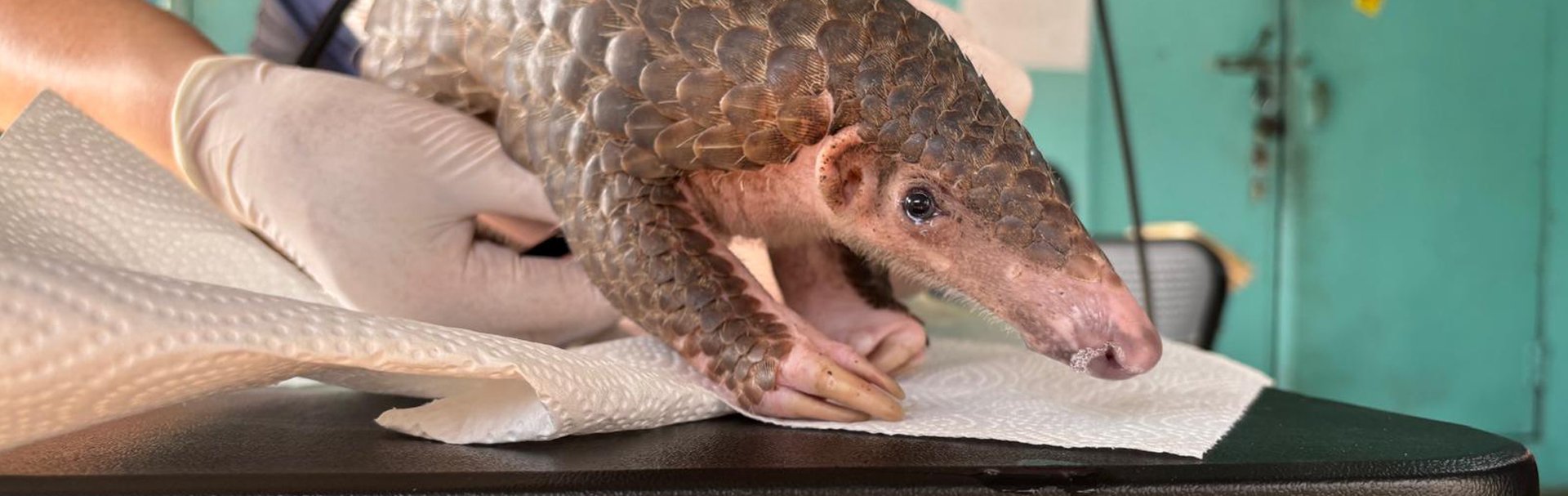
Amba and Peter: A journey back to freedom
Pangolins are among the most unique animals on Earth. Small, nocturnal, and covered in protective keratin scales, they are the only mammals with this remarkable natural armour. Yet, they are also the most trafficked mammals in the world. Driven by demand for their scales in traditional medicine and their meat as a luxury food, all eight pangolin species are now threatened with extinction.
Indonesia is home to the critically endangered Sunda pangolin but is also one of the largest suppliers of wildlife products in Asia. In partnership with the Jakarta Animal Aid Network (JAAN) we are working to tackle the illegal pangolin trade in Indonesia by targeting poachers and rescuing live animals before they enter the trade.
There are three vital phases to the project:
Investigation: dedicated teams uncover and infiltrate illegal wildlife networks, gathering crucial information that can lead to intervention.
Enforcement: working with local police, JAAN's specially trained sniffer dogs help search trafficking hotspots, leading to the seizure of scales and live pangolins and arrests of traffickers.
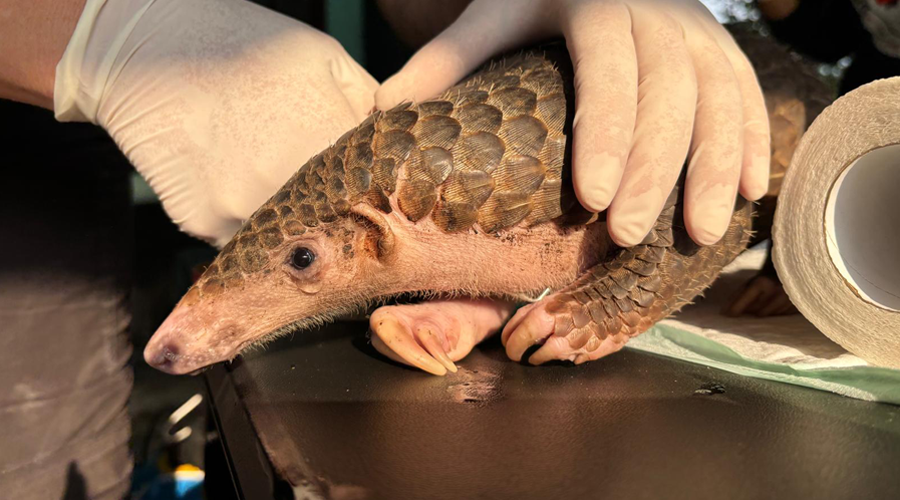
Recovery and release: rescued animals are brought to safety, given expert veterinary care, and closely monitored before being returned to the wild where they belong. Release sites are carefully chosen and patrolled by local authorities and community forest guards to give released animals the best chance to thrive.
At the end of 2025, that hope became reality for two pangolins, Amba and Peter.
Amba was rescued from a specialist pangolin poacher during a major seizure of 80kg of pangolin scales. When he arrived at the rescue centre, he received immediate care and medical treatment. His body was covered in ticks, but thankfully he had no serious injuries. He began to recover gradually and became very confident, earning himself a reputation as an escape artist, constantly digging and exploring his enclosure.
Peter's journey was more fragile. Rescued from an illegal trader alongside another pangolin who sadly died before arriving at the rescue centre, Peter needed time to heal. Over three months, he regained his strength and had recovered enough to be returned to the wild.
When that day finally came, a dedicated team of vets, handlers, and wildlife crime experts assembled. After final health checks, Amba and Peter were carefully transported to a protected release site.
Their first moments of freedom were unforgettable.
Peter emerged confidently from his transport box, immediately heading towards the forest. Curious and alert, he began exploring, climbing trees and sniffing all around him. Amba, more cautious, took his time, observing his surroundings before stepping out. But once he did, he too made his way towards the trees. Soon, both pangolins disappeared into the forest, back where they belong.
Thanks to their naturally wild nature, pangolins like Amba and Peter have a strong chance of survival once released. Their journey is a testament to what is possible when compassion, expertise, and determination come together.
But this partnership goes beyond individual rescues.
We are also pushing for stronger enforcement of wildlife protection laws, supporting prosecutions, advocating for tighter regulations, closing loopholes, and providing critical legal support in wildlife crime cases. We are also working to reduce demand by engaging schools, communities, and village leaders, to raise awareness of the ecological importance of pangolins and debunk myths about their medicinal value.
Through this partnership, we can give pangolins like Amba and Peter the chance not just to survive, but to thrive, back where they belong, while creating a zero-tolerance culture around pangolin poaching.
Every rescue, every release, and every conversation brings us one step closer to that future.
Other achievements in our fight for wildlife
A safe start for orphaned bears
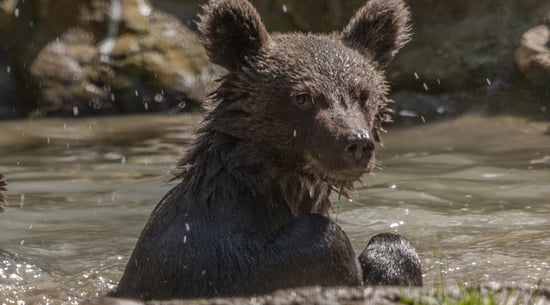
Orphaned bear cubs arriving at the Libearty sanctuary in Romania are among the most vulnerable. Without their mothers, they need constant care, regular feeding, protection, and a safe space to grow.
Following the introduction of a hunting quota for brown bears in Romania, Millions of Friends Association saw a rise in orphaned cubs arriving at their sanctuary. They urgently needed a new enclosure to provide a safe, secure environment that met the cubs' special needs.
With our supporters we helped fund a new, purpose built enclosure, covering approximately 4,000 square metres. It includes a pool, specialised housing, and extra protection from wild visitors. Now, cubs at Libearty have a safe start in life. With the right care and environment, they can grow stronger and live out their lives in the safety and care of the sanctuary.
Image: Orphaned bear cub Luci rescued to Libearty Sanctuary. Credit: Asociatia Milioane De Prieteni (AMP).
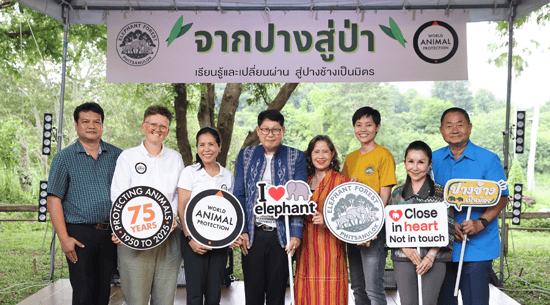
Putting elephants first in Phuket
We are proud to have supported one of Phuket's leading elephant tourism destinations, Phuket Elephant Nature Reserve, to transform into an elephant-friendly venue. Together, we introduced higher welfare standards that mean elephants at the reserve now roam, feed and behave more naturally, free from direct interaction with visitors.
With our expert guidance and shared commitment to improving the elephants' quality of life, the reserve officially became an elephant-friendly venue, marking an important step forward for ethical tourism in Thailand. We will continue working together to support ongoing improvements and training, establish a visitor centre, and demonstrate how partnerships like this can drive even broader positive change throughout the country.
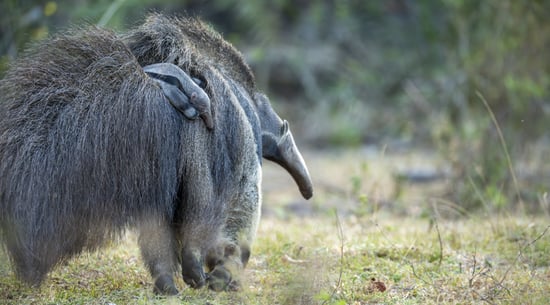
Cecilia and her baby: from tragedy to hope
In August 2025, Cecilia the anteater was spotted in Brazil's Pantanal carrying a newborn baby on her back, a powerful sign of hope for a threatened species. Just a few years earlier, Cecilia had been found orphaned on a roadside after her mother was killed in a traffic accident. Rescued by authorities and rehabilitated by the Tamanduá Institute, an organisation we support, she was released back into the wild in 2023.
After months without sightings, her return, now as a mother, was a symbol of survival and renewal; the tiny, days old pup clinging to her back, proof that rehabilitation works. Against the backdrop of fires, habitat loss, and the constant risk of road kills, Cecilia's story shows that with the right support, wildlife can recover and thrive once more.
Image credit: World Animal Protection / Luiz Felipe Mendes.
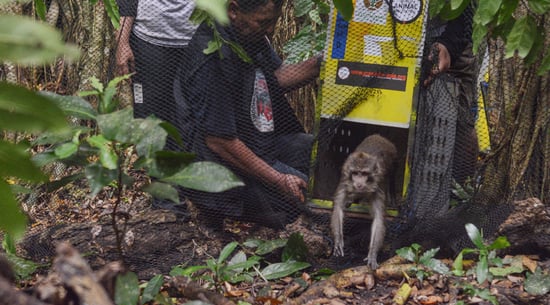
A path back to the wild for dancing monkeys
In 2024, alongside Jakarta Animal Aid Network (JAAN), we rescued 31 macaques from a dancing monkey training centre, where they were confined in small crates, starved and beaten into performing. They were given veterinary care, proper nutrition and the chance to recover at JAAN's rehabilitation centre.
Throughout 2025, their rehabilitation has continued, with each macaque growing stronger and more confident. Now, they live in spacious enclosures, climbing, playing, exploring and learning how to be monkeys again.
Macaques live in complex social groups so careful resocialisation is vital. New family groups have now formed with hierarchies and group leaders. The monkeys have shed their stereotypical behaviours and are blossoming as they prepare for release, learning vital survival skills like cracking coconuts, catching fish, and eating crabs, teaching each other along the way.
Witnessing their journey from abuse to potential release is a rare privilege as few animals exploited for entertainment get this second chance. But thanks to this work, many of these macaques may soon return to Indonesia's forests where they truly belong.
Image credit: Jakarta Animal Aid Network.
How we’ll move the world in 2026
Ensure farmed animals live good lives by transforming the global food system.
Build momentum to expose how JBS's meat-heavy business model drives cruelty, environmental harm, and growing financial risk. We will move major financial institutions to stop funding JBS, push for stronger EU regulations that challenge the future of factory farming, and move key customers to publicly recognise the risks of their relationship with JBS, slowing the company's expansion into new markets.
Secure backing from key governments, corporates, and the financial sector for a transition away from industrial animal agriculture to a more equitable, humane and sustainable food system that benefits animals, people and our planet.
Stop wild animals being cruelly exploited as commodities by changing the systems that allow it.
Drive change in the tourism industry that leads to wide recognition that the use of wildlife as entertainment is cruel and unethical. We will work with leading travel companies and industry bodies to end their support of exploitative attractions, while encouraging tourists to choose wildlife-friendly alternatives.
Influence laws and policies to stop the trade in wild animals, exposing it as cruel, unsustainable, and a driver of global health and biodiversity crises. We will push to secure bans on the commercial breeding and farming of wildlife in key markets, while working to ensure global agreements recognise the risks of wildlife trade and build public and political support to end wildlife exploitation for good.
World Animal Protection Global Impact Report 2024
Discover how World Aniamal Protection's global action in 2024 is ending animal cruelty, transforming food systems, and protecting wildlife.
Global Impact Reports
About us
Read our annual global impact report and discover the steps we've taken to move the world towards ending wildlife cruelty, forever.
What does World Animal Protection do?
Discover more about our mission, what we have achieved over the last 70 years, how we are run, and how we use our kind supporters' donations.