Tourists ride elephants suffering abuse, beatings, and a life of pain. Learn the dark side of elephant tourism and how you can help end their suffering.
Like humans, elephants are long-lived, sentient, and intelligent animals. They have complex emotional capabilities and suffer significantly when taken from their natural, wild environment to be used as props in the tourist industry.
Not only are they kept in terrible living conditions that harm them physically, but the stress and anxiety caused by being held captive, immobilised, and separated from their family members leads to significant mental and emotional distress.
Elephants should not suffer because of an industry that prioritises financial gain over regard for the animals — and yet cruel tourist rides in places like Amber Fort continue to this day.
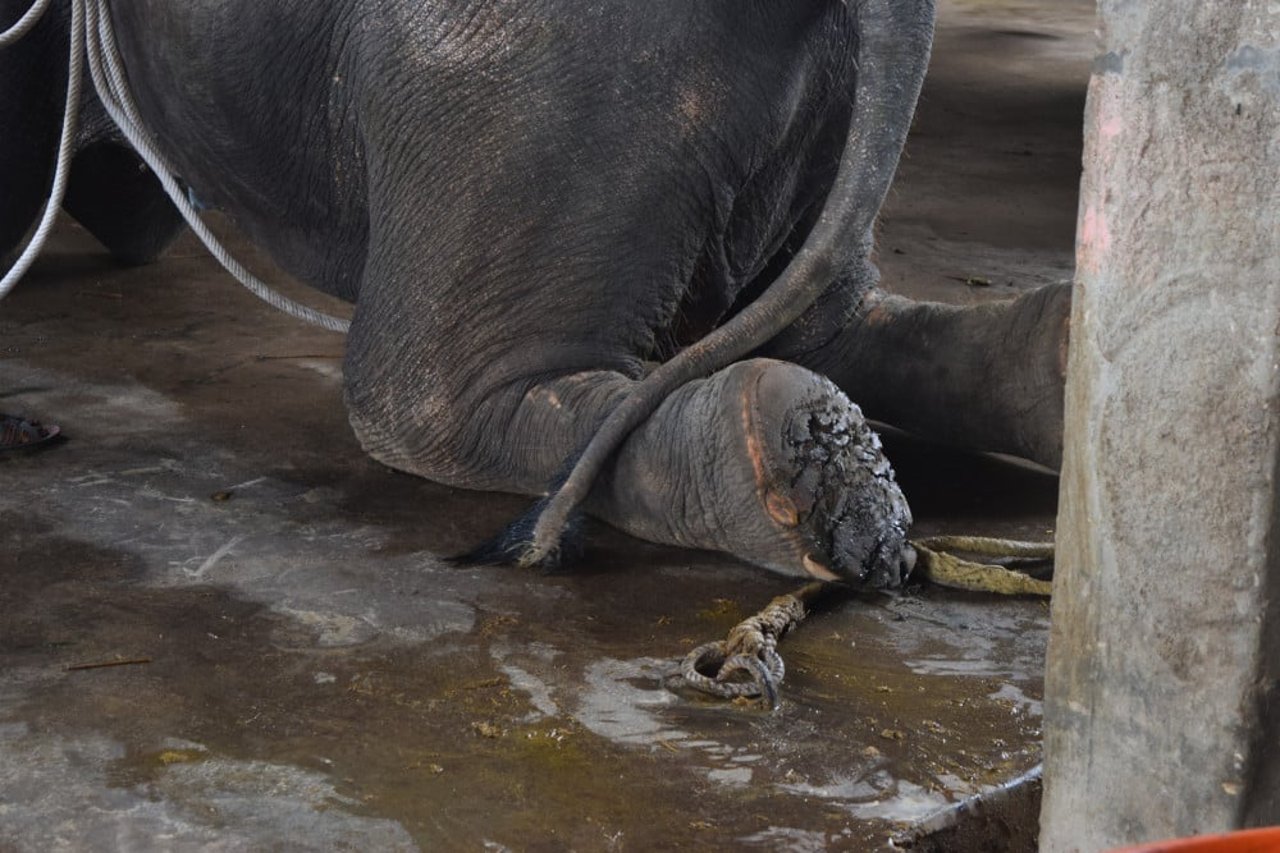
An Amber Fort elephant, with damaged feet from carrying tourists, kneels on a concrete floor
Elephant abuse for tourist rides at Amber Fort, India
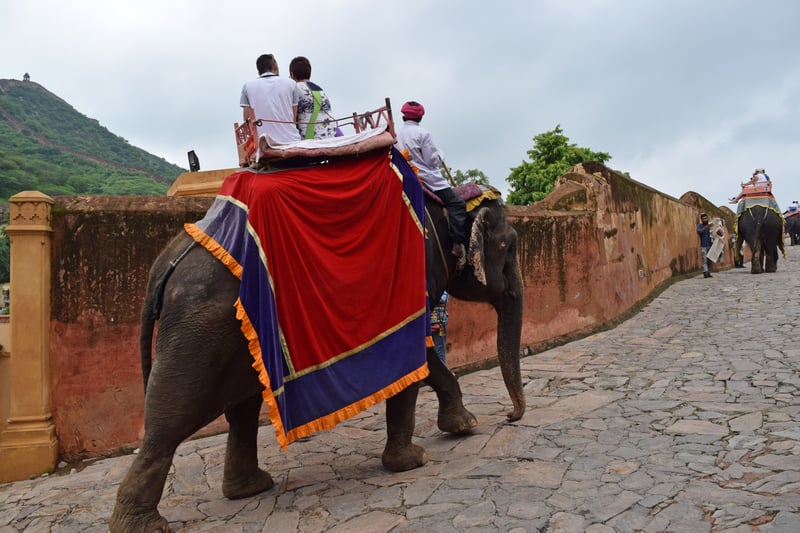
Amber Fort is a popular tourist attraction in Rajasthan, India, that offers elephant rides. Unfortunately, the scale of the elephants’ abuse and the hidden suffering behind these outings is lost on many.
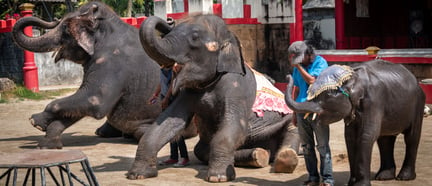
Captured from the wild, often as babies, these animals undergo a brutal training process called ‘the crush’ whereby they are beaten and starved into submission by their handlers. They are next brought into venues like Amber Fort to become props in an entertainment display. They will likely be forced to carry humans on their backs, day after day, for the rest of their lives.
The government of Rajasthan remains reluctant to take any decisive action to end elephant rides, quoting financial constraints and other resource limitations as the key reasons for this.
Instead, the animals’ suffering continues.
Elephants' health damaged by abuse
Studies have shown that the elephants at Amber Fort in Jaipur — numbering almost 100 — suffer multiple health problems as a result of their relentless schedules and poor living conditions. These include foot injuries, damaged eyes, and general fatigue caused by their unnatural activity.
The elephants' diet is often nutritionally inadequate, barely fuelling them for the steep slope they are forced to climb. They are made to walk over concrete surfaces which causes them pain and distress.
Bearing in mind this immense cruelty — that is often promoted by travel and tour operators — a petition was filed by the Wildlife Rescue and Rehabilitation Centre (an NGO) to the Supreme Court of India in 2014 to stop this suffering and improve elephant welfare. This led to an investigation into the housing conditions, feeding practices, and working conditions of the elephants at Amber Fort in 2018.
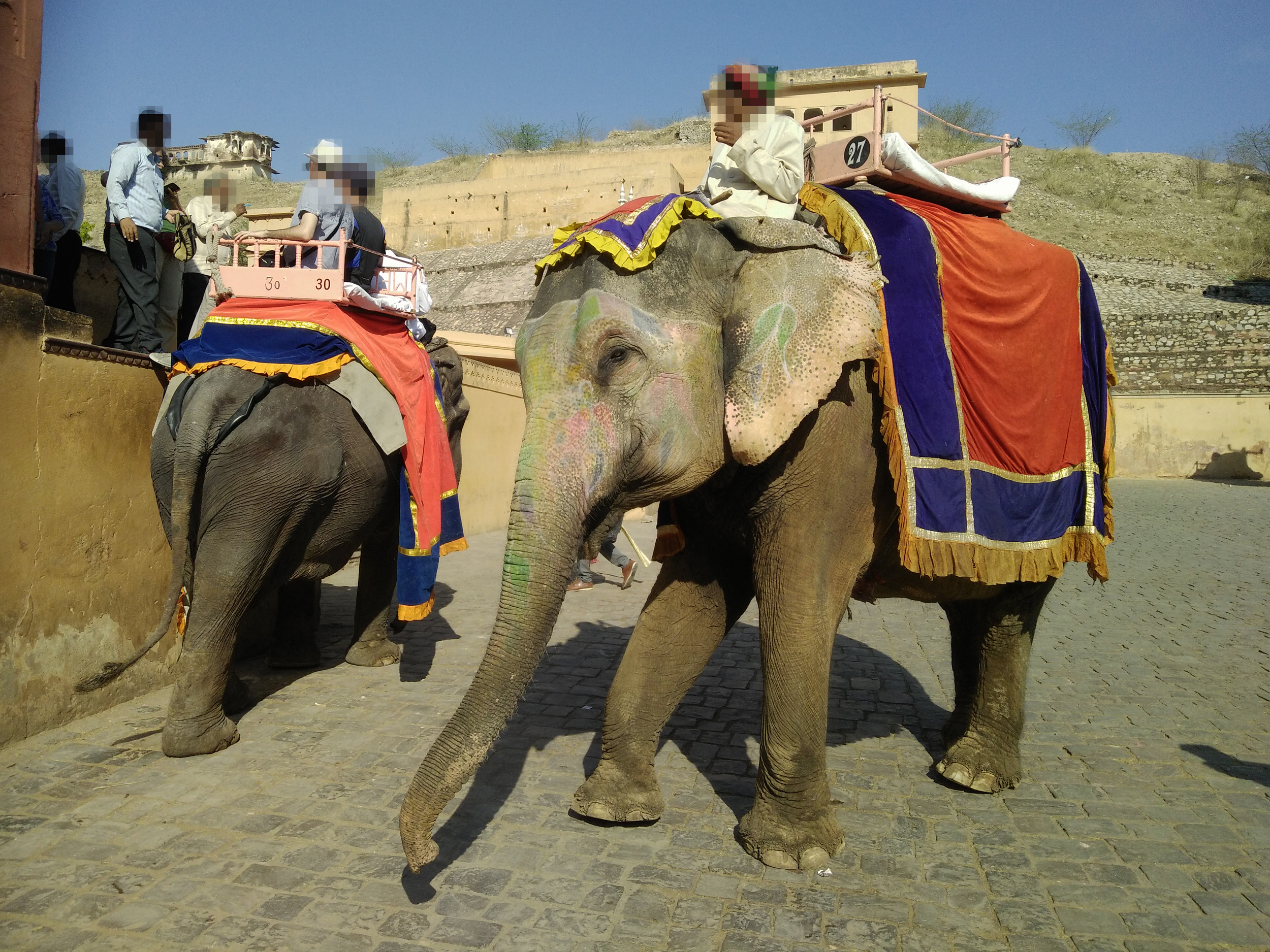
The elephants of Amer Fort are forced to walk over difficult concrete, cobbles and up a steep slope on a daily basis.
In 2020, a second report was issued by PETA India and veterinary doctors were ordered by the Supreme Court to restore the health of the elephants at Amber Fort and similar entertainment venues. However, the government of Rajasthan remains reluctant to take any decisive action to end elephant rides, quoting financial constraints and other resource limitations as the key reasons for this. Instead, the animals’ suffering continues.
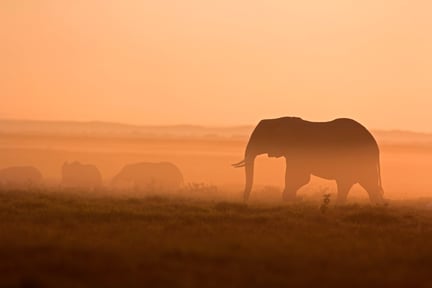
The elephant is India’s National Heritage Animal, but the way they are treated shows complete lack of concern for a wild animal that is extremely social, sentient, and walks across a range of over 20 km in the wild every day.
Dangers for elephant keepers
Elephant entertainment venues like Amber Fort don’t just overlook the wellbeing of elephants, either. Their handlers, known as mahouts, are losing out too.
Despite the romantic vision of mahouts and elephants being ‘bonded to each other throughout their lives’ — a definition given by Wikipedia and a common perception held among unknowing tourists — the reality is very different.
A 2018 study carried out by World Animal Protection and the Department of Sociology and Anthropology at Chiang Mai University in Thailand found that the idealistic, commonly held perception of mahouts is far from the truth.
Today, traditional mahouts are rare and — due to the growing demand for elephant entertainment in the animal tourism industry — are being replaced by unskilled labourers with limited employment options, rather than a lifelong bond with the elephants. The mahouts face low pay, little financial security, and high injury risks as they lack proper training. This endangers mahouts, tourists, and elephants, highlighting serious animal welfare and safety concerns.

In October 2022, alongside World Animal Protection India, the Rajasthan Road Riders held an event in Jaipur calling for an end to the rides causing suffering to captive elephants at Amer Fort.
Help us, help the elephants
We have campaigned for nearly a decade to end elephant rides at Amber Fort, making significant progress in promoting ethical tourism and improving conditions for captive elephants. Thanks to the collective of animal protectors, the government has retired sick and illegally held elephants and pledged not to bring in new ones. As a result, the number of elephants at the fort has fallen from 120 to 82 in just five years.
But our work isn’t over.
World Animal Protection will continue to push for lasting change—pressuring authorities, raising awareness, and ensuring these intelligent, emotional animals are no longer exploited for entertainment.
How you can help drive change at Amer Fort:
Raise awareness
Educate fellow travellers about the suffering behind elephant rides and the importance of wildlife-friendly tourism.
Advocate for change
Support policies working to improve welfare standards for captive elephants.
Hold travel companies accountable
Urge tour operators and travel giants to stop profiting from elephant exploitation.
Every action counts—together, we can create a future where elephants are treated with the respect they deserve.