Animal Sentience
At World Animal Protection sentience is at the heart of everything we do, click to find out more.

Rabbits are curious, intelligent, and deeply social animals. Whether they live in our homes or in the wild, they feel pain, joy, and fear. They form bonds, learn routines, and recognise those around them.
Importantly, domestic rabbits and wild rabbits may look similar, but they have very different needs and ways of live. Domestic rabbits rely entirely on people for food, shelter, and companionship. Wild rabbits, on the other hand, are exactly that — wild. They navigate complex landscapes, build warrens, and play an important role in local ecosystems.
International Rabbit Day gives us a chance to come together to protect rabbits everywhere. Understanding rabbits is the first step to protecting them.
International Rabbit Day is held on the 4th Saturday of September. In 2026, it falls on September 26th.
This day celebrates both wild and domestic rabbits while promoting their welfare, conservation, and proper care. It’s an opportunity for us to learn more, share accurate information, and take meaningful action.
Rabbits are herbivores. Their diet should be rich in fibre — especially hay and grass — to keep their digestive systems healthy and their teeth in good condition. Fresh leafy greens and a small amount of pellets can complement this, but sugary treats and processed foods can cause serious health problems.
With the right care, domestic rabbits can live between 8 and 12 years, sometimes even longer. That’s a long-term commitment. Sadly, many rabbits are bought without understanding their lifespan or complex needs, which can lead to abandonment or neglect.
Contrary to popular belief, rabbits are not rodents. They belong to a different group of mammals called lagomorphs, which also includes hares and pikas. While they may share some similarities with rodents (like continuously growing teeth), they are biologically distinct.
Protecting rabbits starts with recognising that they are sentient beings with physical and emotional needs.
Too many domestic rabbits live in cramped hutches that do not allow them to hop, stretch, or explore. Rabbits need spacious enclosures, daily exercise, and enrichment to thrive and avoid stress.
They’re also highly social animals who should not live alone. Rabbits need the companionship of another compatible rabbit, otherwise they can grow lonely and distressed.
Overbreeding is another serious concern. Breeding rabbits irresponsibly contributes to overcrowded rescue centres and abandoned animals, but choosing adoption and supporting responsible policies can help break this cycle.
We can also challenge harmful trends. Dressing rabbits in restrictive costumes or handling them roughly for social media likes may seem harmless, but it can cause fear and suffering. By sharing accurate information and supporting campaigns that promote respectful treatment online, we help shift attitudes towards kindness.
Wild rabbits face different pressures. Disease can spread quickly in rabbit populations, causing significant suffering. In some communities, rabbits are labelled as pests, and control measures can be inhumane and indiscriminate.
We can advocate for humane alternatives that protect both wildlife and livelihoods. Encouraging responsible land management and non-lethal solutions where possible benefits ecosystems as a whole.
In some regions, rabbits are hunted or farmed for food. Regardless of context, humane treatment and protection from unnecessary suffering is still essential.
This International Rabbit Day, help us fight for a new deal for animals — a world where animals are no longer exploited or treated as disposable. This means improving laws, raising welfare standards, and transforming the systems that cause suffering.
You can also:
When we take small, consistent steps, we create lasting change. Join us in standing up for rabbits and for all animals who depend on our compassion. Donate today.
Donate now
When you make a donation, you’ll join a passionate group of supporters who are determined to change the world for animals. We're fighting animal cruelty wherever we find it — are you with us?
Click to donateRabbits do not hibernate. They remain active throughout the year and adapt to colder weather by growing thicker fur and seeking shelter.
Rabbits are crepuscular, which means they are most active at dawn and dusk rather than during the middle of the night.
Despite the Easter bunny’s love of chocolate eggs, real-life rabbits are mammals and give birth to live young.
The rabbit became associated with Easter in folklore as a symbol of fertility and new life. The tradition has continued for over a 1,000 years.
At World Animal Protection sentience is at the heart of everything we do, click to find out more.

Wildlife
Discover the causes and impacts of habitat loss, explore real-world examples, and learn how to protect and restore vital wildlife habitats worldwide.
Wildlife
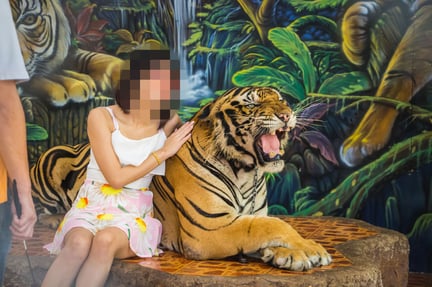
Together we can drive down consumer demand and expose the lies of businesses that profit from cruelly exploiting wild animals.
Blog
Discover 10 powerful facts about elephants, their intelligence, and emotional lives — and why their freedom is so...

News
A Chinese tourist site has halted a disturbing macaque execution performance after widespread public criticism and animal welfare...
News
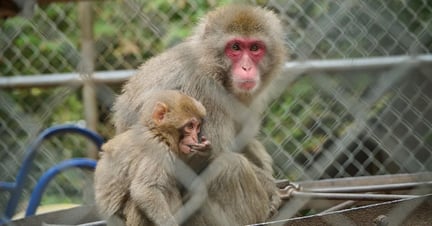
A viral baby macaque named Punch in Japan draws attention to the emotional needs of captive primates and...
Press release
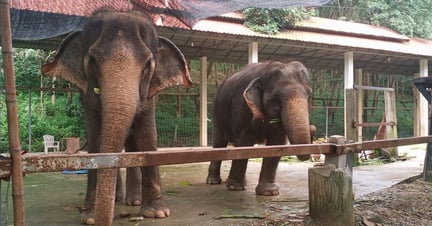
Slight increase in elephant numbers despite growing awareness - and a troubling shift toward “ethical-looking” but harmful tourist...