Animal Sentience
At World Animal Protection sentience is at the heart of everything we do, click to find out more.

On World Okapi Day, we celebrate one of Earth’s most mysterious yet remarkable animals.
With their velvet-dark coats and striped legs, okapis look almost mythical. Yet they are very real, sensitive, and intelligent beings who move quietly through the rainforest and rely on unique "infrasonic mutterings" inaudible to humans to communicate over long distances.
World Okapi Day is a chance for us to recognise their uniqueness and stand beside them. Together, we can ensure these extraordinary animals continue to thrive in the wild.
Also sometimes called International Okapi Day, World Okapi Day was established by conservation organisations and wildlife advocates to shine a light on a species that is often overlooked, yet deeply vulnerable.
Observed each year on October 18th, the day brings together people around the world in support of okapis and the rainforests they call home.
World Okapi Day 2026 will take place on October 18th, 2026.
Every year, it provides the perfect opportunity to reflect on the plight of okapis and renew our commitment to protecting them. It is a moment to learn more and take meaningful steps to help safeguard their future.
The okapi is a shy, forest-dwelling mammal known for its striking appearance. With striped legs and a deer-like body, it’s certainly a memorable animal. It has a long, flexible tongue (so long it can clean its own ears!) and powerful smell and hearing that help it survive in dense rainforest.
Okapis live in dense tropical rainforests in the Democratic Republic of the Congo. These forests provide shelter, food, and plenty of space to roam, while the thick vegetation allows okapis to stay hidden from predators.
Okapis are herbivores. They feed on leaves, buds, grasses, fruits, and fungi. By consuming a wide variety of plants and spreading their seeds through poo, okapis play an important role in maintaining forest balance and supporting biodiversity.
It is difficult to determine exactly how many okapis remain in the wild. They’re shy and live in dense forest, so accurate counting is a complex undertaking.
Current estimates range from around 50,000 to as few as 10,000 individuals, and it is clear that populations are declining.
When we don’t know precisely how many animals remain, protecting every single one becomes even more vital.
Okapis face growing threats that put their future at risk.
Protecting okapis means protecting their habitat, addressing the root causes of exploitation, and tackling climate change. We need to strengthen laws that defend wildlife and give communities sustainable alternatives to destructive practices.
Help us fight for a new deal for animals:
Every tiny bit of support counts. Donate today and join us in protecting okapis and the forests they call home.
Donate now
When you make a donation, you’ll join a passionate group of supporters who are determined to change the world for animals. We're fighting animal cruelty wherever we find it — are you with us?
Click to donateOkapis are the giraffe’s only living relative. Although their necks are shorter, they share many anatomical features, including similar skull structures and long, prehensile tongues.
While their striped legs may resemble a zebra’s, okapis are not closely related to zebras. Their stripes merely serve to help them blend into dappled forest light.
Okapis are classified as endangered due to habitat loss, poaching, and instability in their native range. Without strong protection measures, their numbers will continue to decline.
Okapis are very real. Often described as “forest giraffes”, they are one of the most extraordinary mammals on Earth. And with our support, they can remain part of our world for generations to come.
At World Animal Protection sentience is at the heart of everything we do, click to find out more.
Wildlife
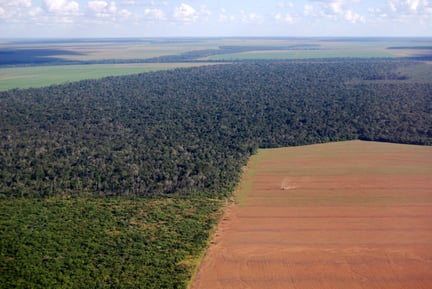
Discover the causes and impacts of habitat loss, explore real-world examples, and learn how to protect and restore vital wildlife habitats worldwide.
Wildlife
Would a real responsible traveller have captive wildlife entertainment on their wish list?
Blog
Discover 10 powerful facts about elephants, their intelligence, and emotional lives — and why their freedom is so...
News
A Chinese tourist site has halted a disturbing macaque execution performance after widespread public criticism and animal welfare...
News
A viral baby macaque named Punch in Japan draws attention to the emotional needs of captive primates and...
Press release
Slight increase in elephant numbers despite growing awareness - and a troubling shift toward “ethical-looking” but harmful tourist...