10 Amazing Elephant Facts You Should Know
Blog
Discover 10 powerful facts about elephants, their intelligence, and emotional lives — and why their freedom is so important. See how you can help protect them.
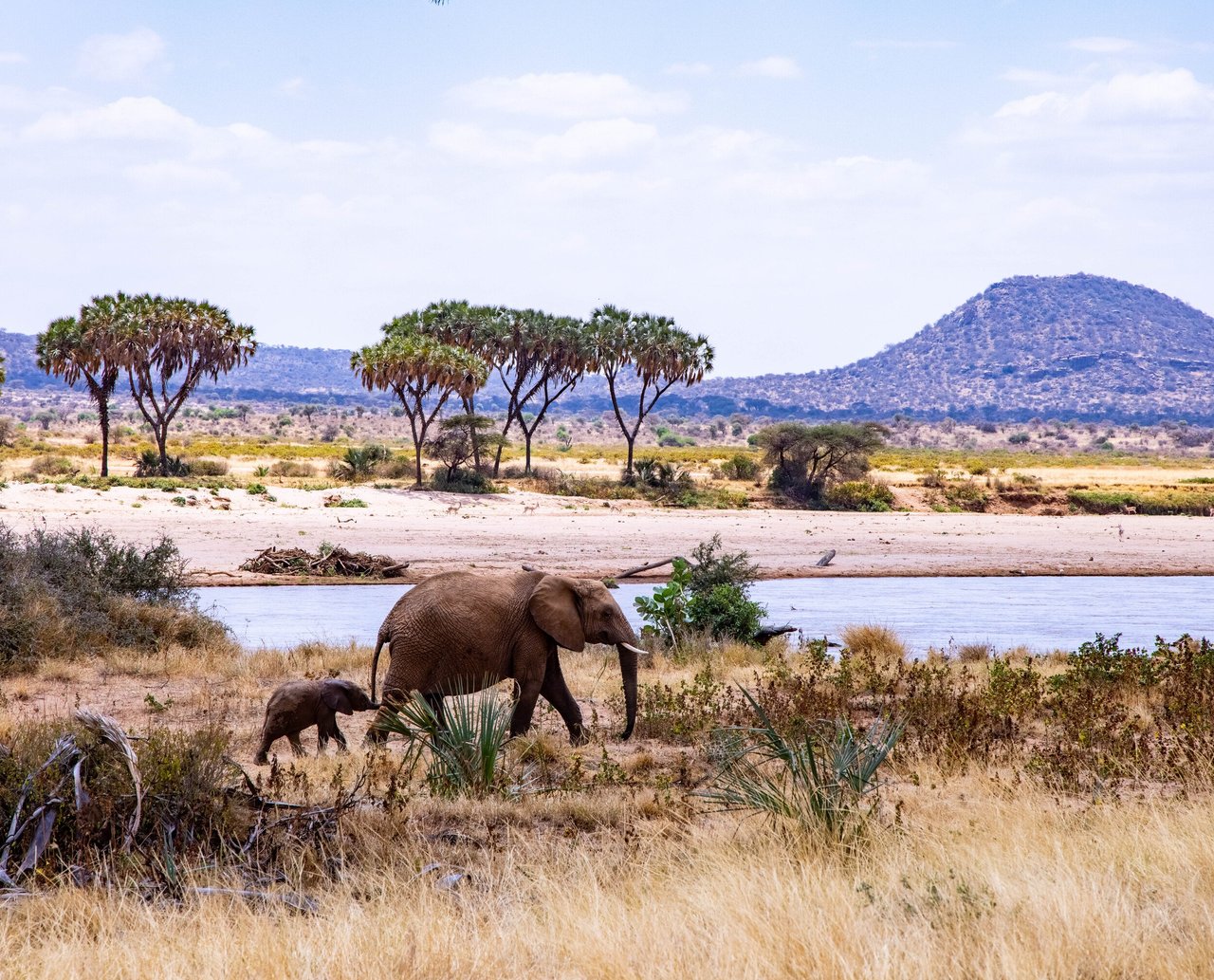
Welcome to our Elephant hub — your go-to location for all World Animal Protection elephant facts and news.
Elephants are the largest living land mammals on the planet. As ecosystem engineers, they play a critical role in maintaining a healthy environment and ensuring the survival of many other animal and plant species.
But elephants are under threat. Elephant habitat destruction, climate change, and poaching mean elephant populations in Africa and Asia are decreasing.
Here, you can discover our elephant protection campaigns and what you can do to help. You can also find ethical tourism venues and read our latest elephant facts and reports.
On this page
Did you know that there are three different species of elephant? Or that African elephants have more wrinkles than Asian elephants? Or that a baby elephant weighs a whopping 100kg?
If you want to learn more about elephants, take a look at our latest resources:
Blog
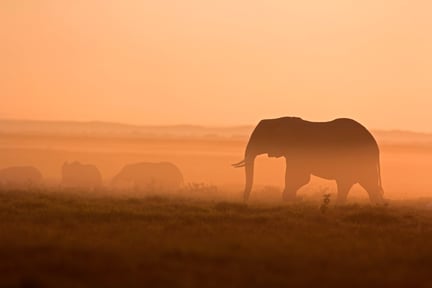
Discover 10 powerful facts about elephants, their intelligence, and emotional lives — and why their freedom is so important. See how you can help protect them.
Animal Awareness Days
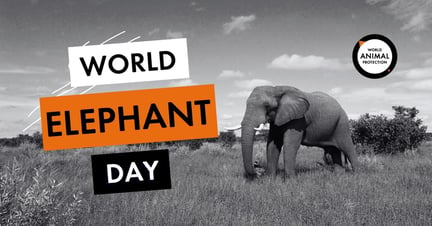
World Elephant Day is observed on the 12th of August. Despite their size, popularity and status, elephants desperately need protection. Find out more.
Blog
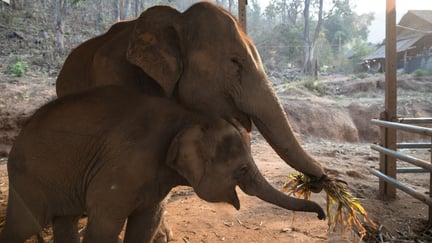
Learn about the surprising emotional lives of elephants and how understanding their feelings is crucial.
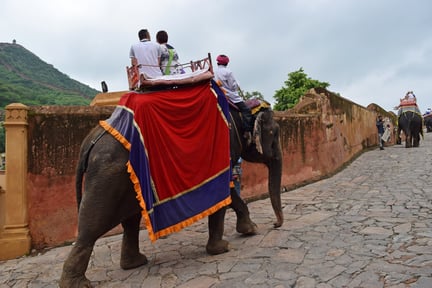
Blog
Tourists ride elephants suffering abuse, beatings, and a life of pain. Learn the dark side of elephant tourism and how you can help end their suffering.
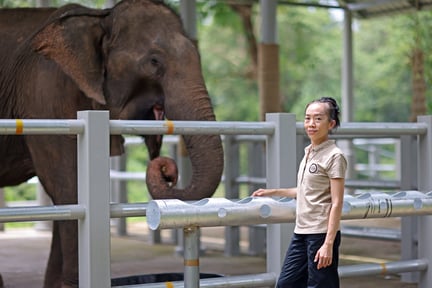
Blog
Discover how you can see elephants in a humane way without supporting harmful tourism practices.
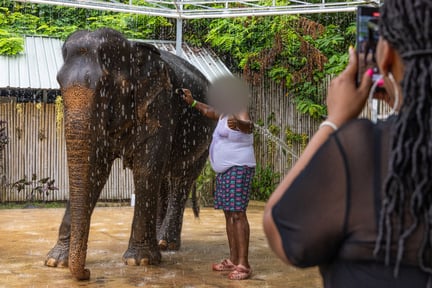
Blog
Asian elephants are native to Thailand, but far too many of them are trapped in captivity. Here’s what World Animal Protection Thailand want you to know.
Elephants are intelligent, social animals with complex emotional lives. But today, they face a growing number of human-driven threats that put their survival and wellbeing at risk. From habitat destruction to exploitation for profit, these pressures not only reduce elephant populations but also cause long-term suffering, stress, and disruption to their family groups.
Understanding these threats is essential to protecting elephants and ensuring they can live freely in the wild.
Elephant poaching remains one of the most urgent threats to their survival, with elephants illegally killed for their ivory despite international bans. Poaching is driven by demand for ivory products, as well as broader wildlife commercial exploitation linked to tourism and entertainment industries. Beyond the immediate loss of life, poaching devastates elephant families: young elephants can be left orphaned, and entire herds experience trauma and disruption. In some cases, policies such as culling further threaten populations under the justification of population control.
Elephant captive breeding is widely used to supply animals to the tourism and entertainment industries, where elephants are kept in unnatural conditions and denied the ability to express natural behaviours. Many captive elephant tourism experiences, including bathing and close interactions, are marketed as ethical but often involve hidden cruelty and long-term suffering. These practices reinforce a cycle of exploitation that prioritises profit over welfare.
Across Africa and Asia, elephants are losing their natural habitats due to deforestation, agricultural expansion, and infrastructure development. As forests are cleared and landscapes fragmented, elephants are pushed into smaller, less suitable areas, often bringing them into closer contact with humans. This leads to increased conflict, restricted movement, and reduced access to food and water. Over time, elephant habitat loss not only threatens populations but also impacts their physical and emotional wellbeing. Learn more about habitat loss, and how habitat loss increases animal stress and suffering.
Elephants across the world are exploited for profit. They’re cruelly taken from the wild and bred in captivity to perform for tourists. Some centres even pose as sanctuaries while keeping elephants in cruel conditions.
This is why ethical elephant tourism is so important. If fewer people visit elephant tourist attractions — and boycott the tour companies that support them — more elephants will be saved from this sad fate.
To help travellers find ethical alternatives to these elephant experiences, we put together an annual Elephant-Friendly Tourist Guide. Here, we share elephant-friendly tourist destinations and tour companies, so you can get up close to these magnificent mammals without contributing to cruel practices.
Going on holiday this year? Read our guide before you book!
Explore our latest reports and research on elephants, including insights into the impacts of tourism, exploitation, and habitat loss. These resources provide evidence-based analysis to help inform better decisions and strengthen efforts to protect elephants and improve their welfare.
Read our key findings from 16 years' worth of research on elephant welfare and find links to download past reports.
The Elephant Tourism Report 2026 reveals a stagnation in captive welfare; despite shifting trends, 66% of elephants still live in poor conditions, with 42% still used for rides. While traditional shows are declining due to 200+ travel companies adopting wildlife-friendly policies, a deceptive surge in "close-contact" activities like washing—often marketed as ethical—masks continued exploitation. With only 7% of elephants in high-welfare, observation-only settings, the report calls for an end to commercial breeding and urges travelers to avoid all interactive tourism in favor of true, hands-off sanctuaries.
Only 7% of the 3,837 elephants we surveyed for this report were kept in truly high-welfare, observation-only venues. While 30% experienced improved (yet still inadequate) conditions, the majority of elephants were kept in severely inadequate conditions.
This report also raised concerns about the financial impact of COVID-19 on the travel industry and the knock-on effect for captive elephant welfare.
We looked at nearly 3,000 elephants across 220 tourist venues in Asia. We found that 3 in 4 elephants were living in poor and unacceptable conditions, and that all these elephants were kept at venues offering elephant rides. When not giving rides, elephants were typically chained day and night.
In 2010, we conducted our first Elephant Tourism Report. We surveyed 118 venues. 53% of those with captive elephants didn’t meet the basic needs of the animals in their care. Education on the importance of protecting wild animals was rare, with only 6% of wildlife entertainment tourism venues offering comprehensive education.
World Animal Protection runs a number of campaigns in support of elephants. We’re protecting elephants from exploitation, encouraging governments to create stronger wildlife protection laws, and fighting to safeguard elephant habitats.
Learn more about our work below.
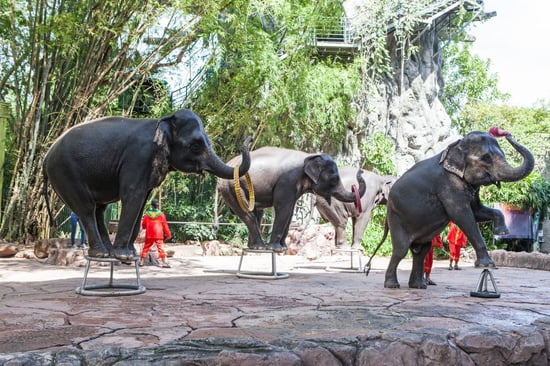
Thousands of elephants around the world are suffering in the name of tourism. But it doesn’t have to be this way. See how we’re championing their right to a wild life.
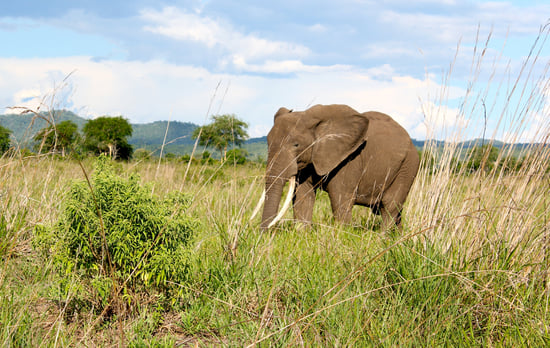
We are dedicated to disrupting industries that exploit elephants in the wild and work tirelessly to create innovative solutions to help safeguard elephants from cruelty.
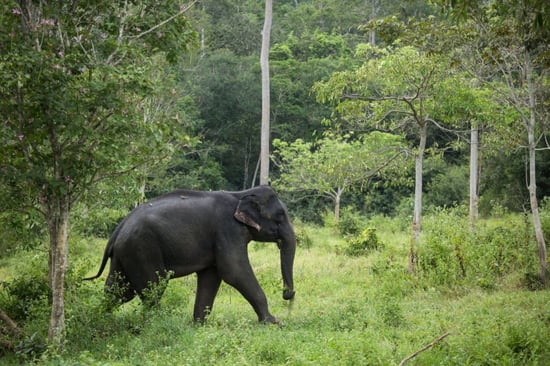
We believe that elephants should have the right to a wild life. We’re lobbying governments, working with local communities, and raising awareness to ensure better protections for elephants in the wild.
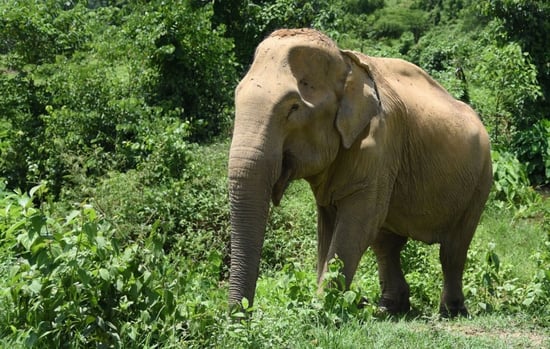
Habitat loss is leaving elephants without the space, food, and water they need to thrive. By raising awareness of habitat destruction and lobbying governments to pass environmental protections, we’re defending elephant habitats from human destruction.
Get up-to-speed on the latest news about elephants and elephant conservation.
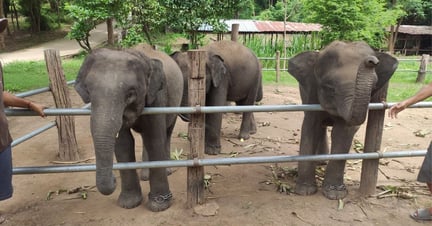
News
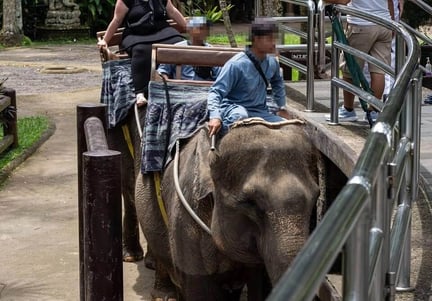
New research shows two thirds of captive elephants in Thailand’s tourism industry still live in poor conditions, despite some welfare improvements.
News
Indonesia announces an end to elephant rides, a major win for animal welfare and encourages ethical wildlife tourism.
News
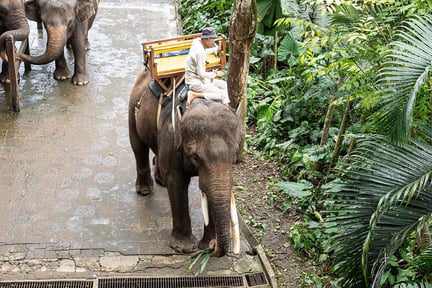
Bali Zoo has ended elephant riding, marking major progress for elephant welfare and responsible wildlife tourism in Indonesia.
News
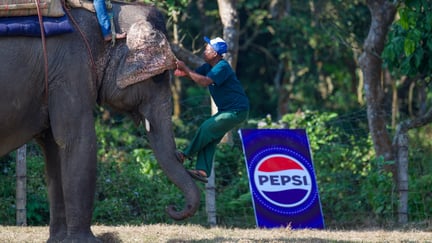
The Chitwan Elephant Festival, amidst ongoing elephant cruelty and exploitation, is likely to undermine the very tourism Nepal aims to attract.
Elephants are a keystone species, meaning they shape their environment in important ways. They clear vegetation, spread seeds, and dig for water, creating habitats and resources that other animals depend on. When elephants thrive, the plants and animals in their ecosystems thrive too.
But elephants are endangered, and their numbers are decreasing. So it’s up to us — and you — to protect them and their wider ecosystems.
Help us save the elephants by:
You can also support the work we do here at World Animal Protection by donating today. Your donation allows us to continue elephant conservation and protection campaigns across the world.
Looking for more information about how elephants are protected and what you can do to help? Here are answers to some of the most common questions about elephant protection, conservation efforts, and animal welfare.
Elephants face a range of human-driven threats that impact both their survival and wellbeing. These include habitat loss, poaching for ivory, and exploitation in tourism and entertainment. Beyond reducing populations, these pressures cause long-term suffering, stress, and disruption to elephant families, which rely on strong social bonds to thrive.
Elephants need protection because they are intelligent, social and sentient animals, capable of experiencing emotions such as joy, grief, and distress. Human activities continue to put them at risk, both in the wild and in captivity. Protecting elephants means not only preventing their decline, but also ensuring they can live free from suffering, express natural behaviours, and remain with their families.
Asian elephants are classified as endangered, while African elephants are listed as vulnerable or endangered depending on the species. Despite legal protections, both continue to face significant threats from human activities. Without stronger action to address these pressures, elephant populations and their wellbeing will remain at risk.
Efforts to protect elephants include strengthening wildlife laws, tackling illegal trade, protecting habitats, and ending the commercial exploitation of elephants in tourism and entertainment. World Animal Protection works to raise awareness, influence policy, and promote alternatives that respect elephants’ needs and natural behaviours.
People can help protect elephants by choosing not to support attractions that exploit them, such as riding or close-contact experiences. Supporting ethical tourism, raising awareness, and backing organisations working to end cruelty and protect habitats all contribute to better outcomes for elephants.
Protecting elephants is important not only for their survival, but for their wellbeing and the health of the ecosystems they support. Elephants play a key role in shaping landscapes and maintaining biodiversity. When elephants are protected, entire ecosystems benefit.
Wildlife Farming
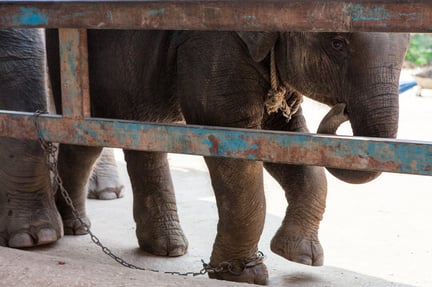
Captive Elephant Breeding is a form of Wildlife Farming where elephants are farmed for profit. Find out how you can take action to protect these majestic creatures.
Shop meaningful elephant gifts that help protect elephants worldwide. Support World Animal Protection’s vital work. Choose your virtual gift today.