13 Facts About Pangolins
Blog
Discover fascinating pangolin facts — from their unique scales and behaviours to the threats they face and how we can protect them in the wild.
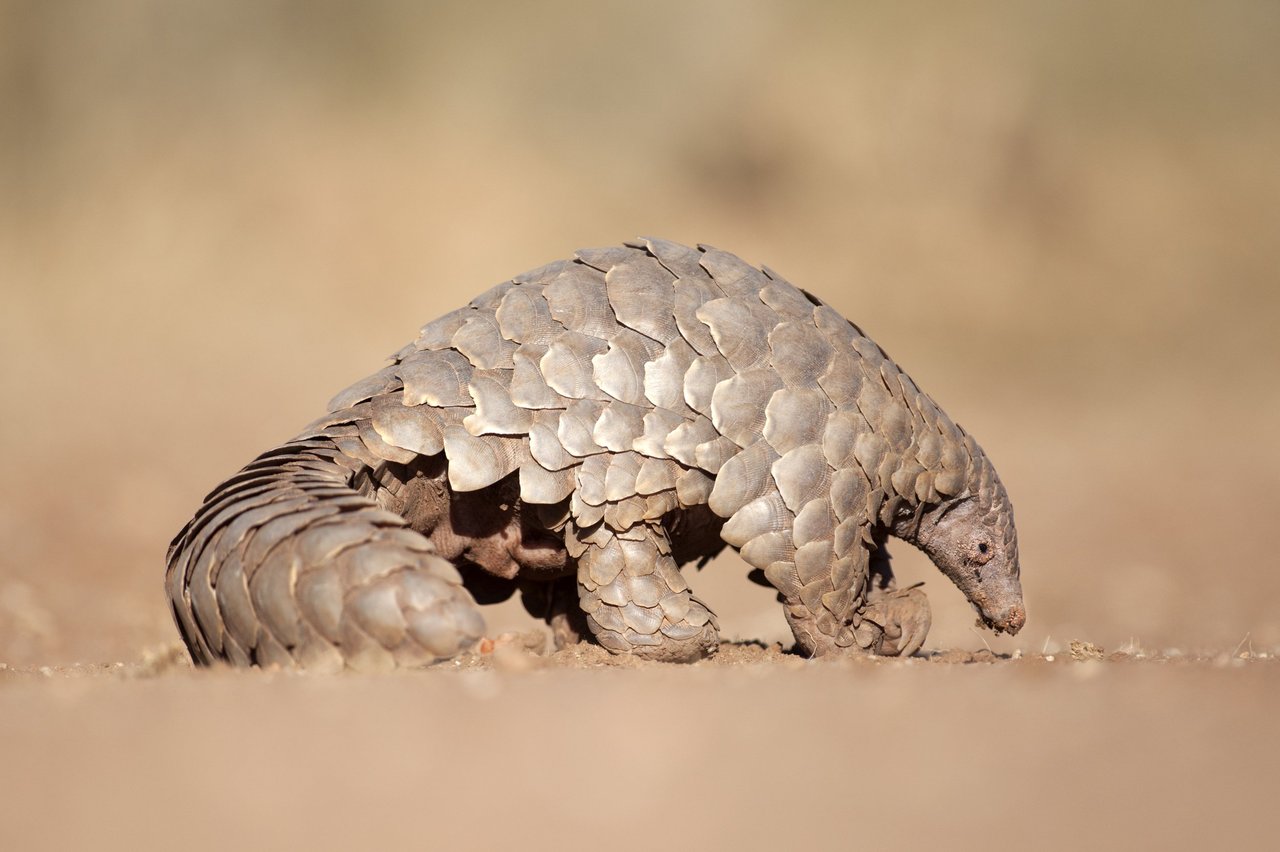
Welcome to our Pangolin hub — your central location for all World Animal Protection pangolin facts and news.
Pangolins are shy, intelligent mammals covered in protective scales. Often called “scaly anteaters,” they play an important role in maintaining healthy ecosystems by controlling insect populations. A single pangolin can eat thousands of ants and termites per day, helping keep nature in balance.
But pangolins are endangered and under increasing threat. As the world’s most trafficked mammals, they are targeted for their scales and meat. The illegal wildlife trade, habitat loss, and exploitation are pushing pangolins towards extinction.
Here, you can explore facts about pangolins, learn about pangolin behaviour, discover the threats they face, and find out how you can help protect them.
Did you know that there are eight different pangolin species across Africa and Asia? Each is highly specialised to its environment, making them especially vulnerable to change.
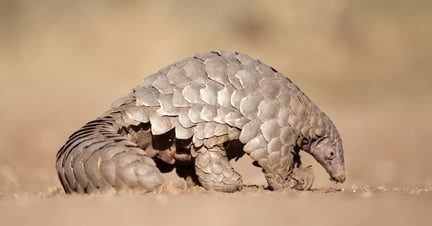
Another interesting pangolin fact is that their scales are made of keratin, the same material as human hair and fingernails. These overlapping scales act as armour, protecting them from predators.
Pangolins also have highly adapted diets. Their keen sense of smell and powerful claws help them locate and break into insect nests, and they use their sticky tongues to consume up to 20,000 insects every day.
To learn more pangolin facts, take a look at our latest resources:
Blog
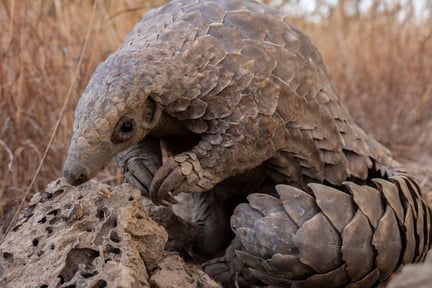
Discover fascinating pangolin facts — from their unique scales and behaviours to the threats they face and how we can protect them in the wild.
Blog
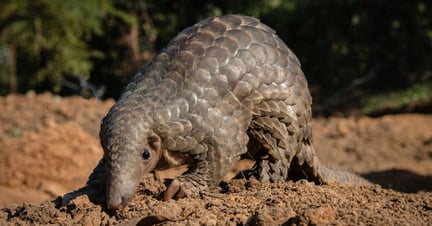
World Animal Protection research shows traditional medicine consumers are willing to change to non-animal ingredients and how a new online tool is helping.
Animal Awareness Days
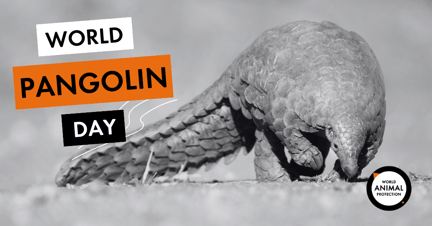
World Pangolin Day is observed on the third Saturday of February every year to celebrate pangolins and their contribution to the planet's ecosystem.
The illegal wildlife trade is one of the biggest drivers behind pangolins’ endangered status. Demand for pangolin scales in traditional medicine continues to drive poaching and trafficking across the globe, with around 8.5 million pangolins taken from the wild in recent years.
At World Animal Protection, we are working to end this exploitation and protect pangolins.
Learn more about our work below.
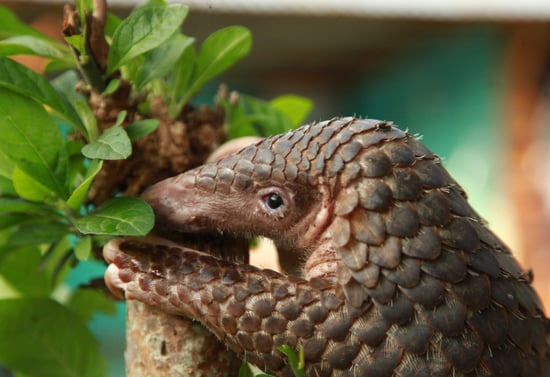
Millions of wild animals, including pangolins, are exploited for traditional medicine. But humane alternatives exist. See how we’re reducing demand and supporting sustainable solutions.
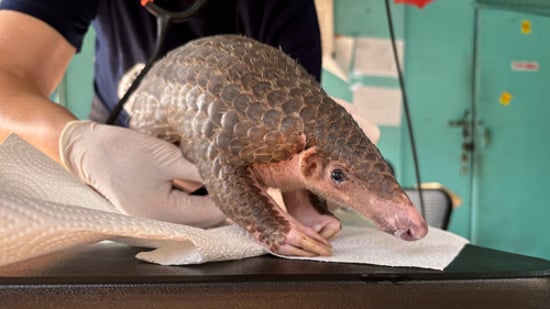
The illegal wildlife trade continues to push pangolins closer to extinction. We’re exposing the cruelty of animal poaching and working to end wildlife trade.
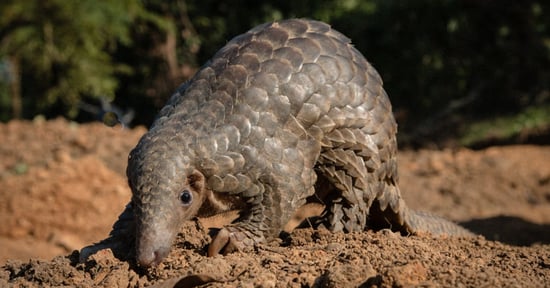
Wildlife exploitation can be replaced with more innovative solutions. We’re working with communities and industries to create humane, sustainable alternatives that protect pangolins.
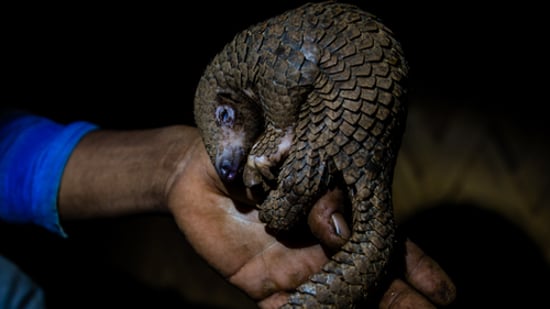
Wild animals belong in the wild. We’re working to secure stronger laws and global action to protect pangolins and their habitats.
Stay up to date on the latest developments in pangolin conservation and the global effort to protect them.
News
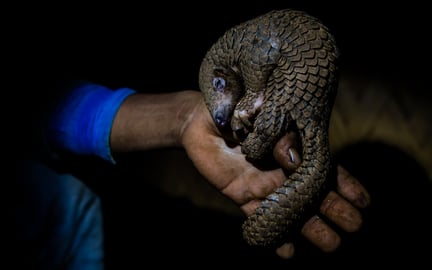
New research exposes TikTok’s role in the illegal wild meat trade in Togo, putting pangolins and other endangered species at risk.
News
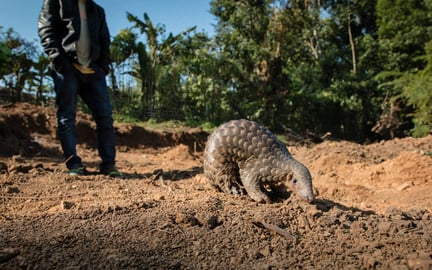
The new Netflix documentary, Pangolin: Kulu's Journey, shines a light on the most trafficked animal in the world.
News
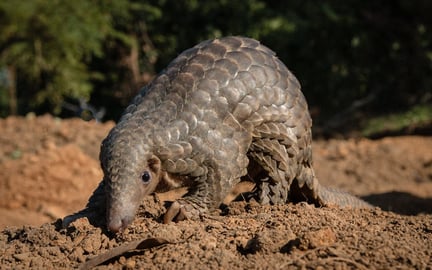
China's 2025 Pharmacopoeia removes Guilingji, a traditional medicine containing pangolin, marking a step toward wildlife protection.
News
Video footage shows the horrifying moment a terrified pangolin is killed for its scales in Assam, India. Pangolin scales are sold on the black market for traditional Asian medicine
News
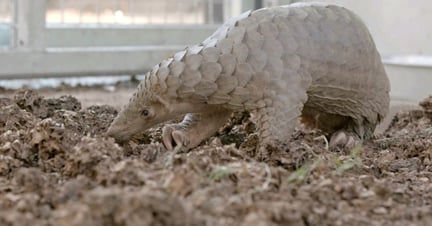
Pangolins being smuggled through Thailand have been rescued in a massive wildlife bust by Thai authorities - in time for World Pangolin Day
News
In welcome news, China has not only upgraded the protection of Chinese pangolins to the highest level but has also removed pangolin scales from its traditional medicine pharmacopeia
Watch pangolins in action and learn more about their unique behaviour, their role in ecosystems, and the urgent need to protect this incredible animal.
Explore in-depth research on pangolins and the wider impact of illegal wildlife trade.
Our reports cover:
The global commercial wildlife trade is vast and growing, resulting
in the physical and mental suffering of billions of animals worldwide.
This report features explores the negative experiences of individual animals in the commercial wildlife trade. Case studies were chosen to provide a broad overview of the welfare issues and experiences of animals traded globally.
This two year research project, the first ever socio-economic of its kind, was entirely funded by World Animal Protection. focuses on traditional hunting practices.
The research involved interviews with 141 male hunters in Assam, focusing on traditional hunting practices and the impact of traditional medication on wildlife.
Pangolins are an essential part of our natural world. By controlling insect populations, they help maintain balanced ecosystems on which other species depend.
They are also sentient animals — pangolins can feel fear, stress, and pain. Yet millions are taken from the wild and subjected to cruelty through the illegal wildlife trade every year. Pangolis do not survive well in captivity, often suffering from stress, disease, and injury — even when rescued.
That means it’s up to all of us to work together to protect them.
Help us protect pangolins and their future by:
You can also support our work at World Animal Protection by donating today. Your support helps fund campaigns, advocacy, and solutions that protect pangolins worldwide.
Together, we can give pangolins the wild life they deserve.
Pangolins are animals covered in protective keratin scales. Though their scales can make them look like reptiles, pangolins are mammals and feed on ants and termites. A unique pangolin behaviour is their defensive mechanism: curling into a ball to protect themselves from predators.
Pangolins are endangered due to illegal wildlife trade. Demand for pangolin scales in traditional medicine has driven widespread poaching, while habitat loss further threatens their survival.
Pangolins eat ants and termites. Their specialised feeding habits make them important for controlling insect populations and maintaining ecosystems.
Pangolins are widely recognised as the most trafficked mammals in the world, with illegal trade driven by global demand and organised criminal networks.
Pangolins are found across parts of Africa and Asia, depending on the species.
African pangolins live in a range of habitats, including savannahs, grasslands, and tropical forests. Asian pangolins are more commonly found in forests, woodlands, and agricultural areas. Different species have adapted to different habitats — some dig burrows underground, and some live in trees in the forest.
We can help protect pangolins by sharing pangolin facts, reducing demand for wildlife products, and supporting efforts to end the illegal wildlife trade.
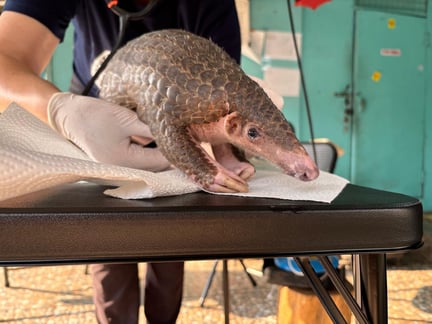
Thousands of pangolins are trafficked every year. Join the pangolin rescue mission and help stop wildlife trafficking with vital rescue and release work.
Discover how World Animal Protection protects elephants worldwide. Explore key threats, campaigns, news, and ways to take action to help these majestic animals.