Elephants are icons of the animal world. The largest land mammals on Earth, they’re found across parts of Asia and Africa and are symbols of strength, longevity, and wisdom.
But despite being so recognisable, their populations are in danger. Elephants face serious threats to their survival, including habitat loss, poaching, and commercial exploitation.
We have a responsibility to protect elephants, and not just because they’re essential ecosystem engineers. As you’ll see from these interesting facts about elephants, they are intelligent and sensitive, and deserve to live free from suffering.
When we understand the truth behind these remarkable animals, we are better equipped to stand up for them. Here are 10 fun facts about elephants that reveal just how extraordinary they really are — and why their freedom is so important.
1. Elephants mourn their dead
Just like humans, elephants mourn when their fellow herd members pass away. When an elephant dies, others gather around the body, sometimes standing vigil for hours.
This behaviour shows us that elephants have deep emotional awareness. The gentle giants form lifelong bonds with their family, so any losses within a herd can have profound effects.
2. Elephants recognise themselves in a mirror
Self-recognition is rare in the animal world — but not for elephants. They can recognise their own reflection in a mirror, using their trunks to touch parts of their face and body, much like humans do with our hands.
Elephants are complex creatures with developed intelligence and the ability to feel empathy. Self-awareness makes confinement particularly harmful, as elephants require space, stimulation, and social connection to thrive.
3. Elephants can’t jump
It may sound like a fun little anecdote, but this is one of those elephant facts that highlights how unique their bodies are. Elephants are the only mammals that cannot jump. All four of their feet remain on the ground at all times.
Just looking at an elephant, you can probably see why. Their bodies are designed for steady movement across large landscapes — not for tricks or performances. Forcing them to act unnatural can cause painful damage, including nail cracks, ulcers, and skin lesions — a heavy price for something that goes against their very nature.
4. Elephants can “hear” with their feet
Though we associate elephant noises with trumpeting and the occasional rumble or groan, a lesser-known elephant fact is that they actually have a complex communication system.
They generate low-frequency rumbles that can travel several kilometres through the ground. Other elephants then detect these vibrations through specialised cells in their feet. This means that a herd can sense distant danger or locate one another without seeing each other. This keeps families connected across large territories.
Now imagine how disorienting it must be for an elephant in captivity, cut off from these natural signals.
5. Elephants purr like cats
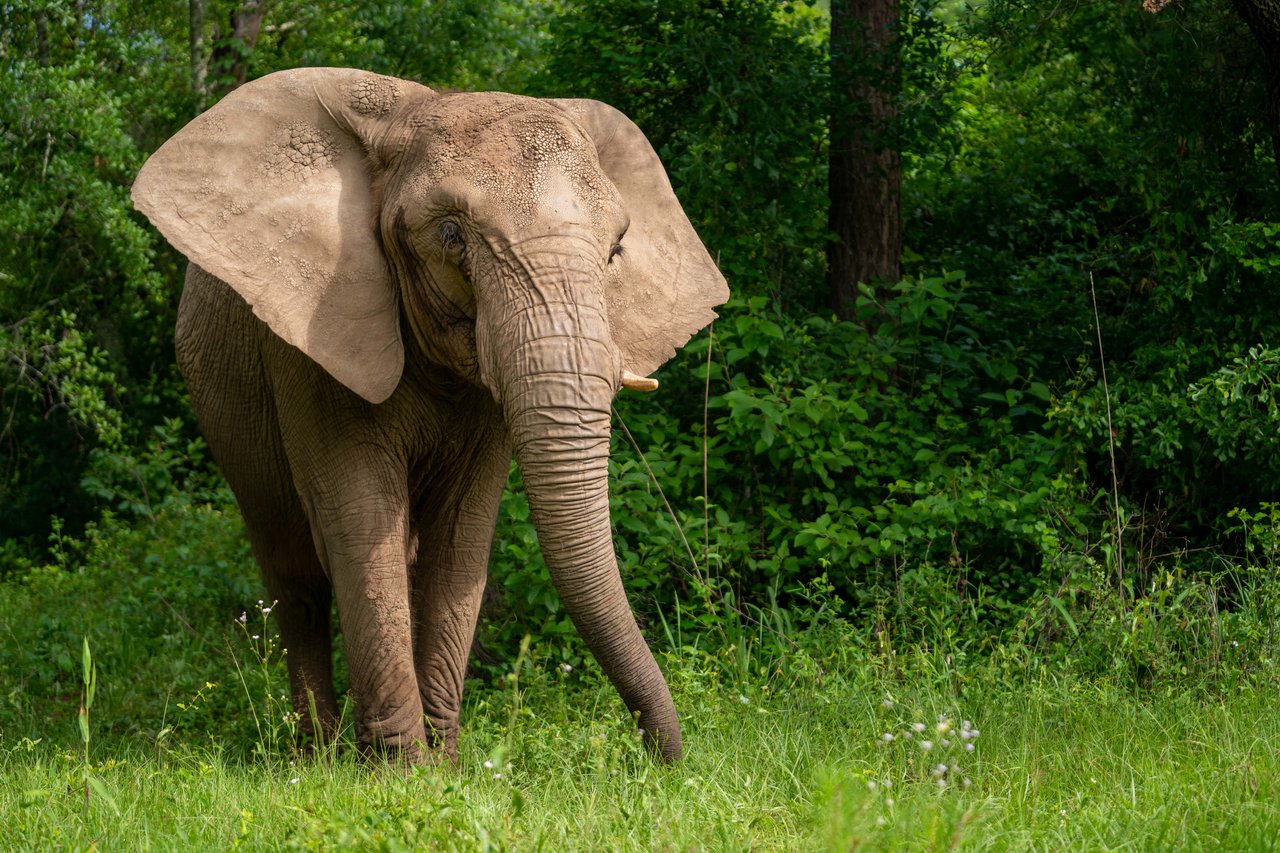
When they’re happy or bonding with one another, elephants can produce a soft rumbling sound, similar to the sound cats make when they purr. Calves often hear these reassuring vibrations from their mothers, which can soothe them.
These interesting facts about elephants help us see them as feeling beings who thrive in close-knit families — a reminder that they don’t deserve to be exploited for commercial gain.
When elephants are forced to provide rides or performances, their natural behaviours are disrupted. To help end the cruelty, we should choose tourism experiences that respect elephants instead of harming them.
6. Elephants have the longest pregnancies of any land animal
An elephant pregnancy lasts around 22 months. This long gestation supports the development of a highly intelligent, large-brained, and physically mature calf. It also forges a strong bond between mother and calf which lasts a lifetime.
Because elephants reproduce slowly, it takes populations a long time to recover from threats like poaching. By supporting conservation efforts, we give elephant families the time and safety they need to grow.
7. Elephant calves suck their trunks like babies suck their thumbs
Young elephants sometimes suck their trunks for comfort, just as human babies suck their thumbs. It’s a soothing behaviour that isn’t just cute, but shows vulnerability.
In many ways, elephants are similar to us. Calves depend entirely on their mothers and their herd for survival. When young elephants are captured for tourism or entertainment, they are taken away from this support system. We can help stop that cycle by refusing to support venues that exploit them.
You can make a difference for vulnerable animals
Donate now
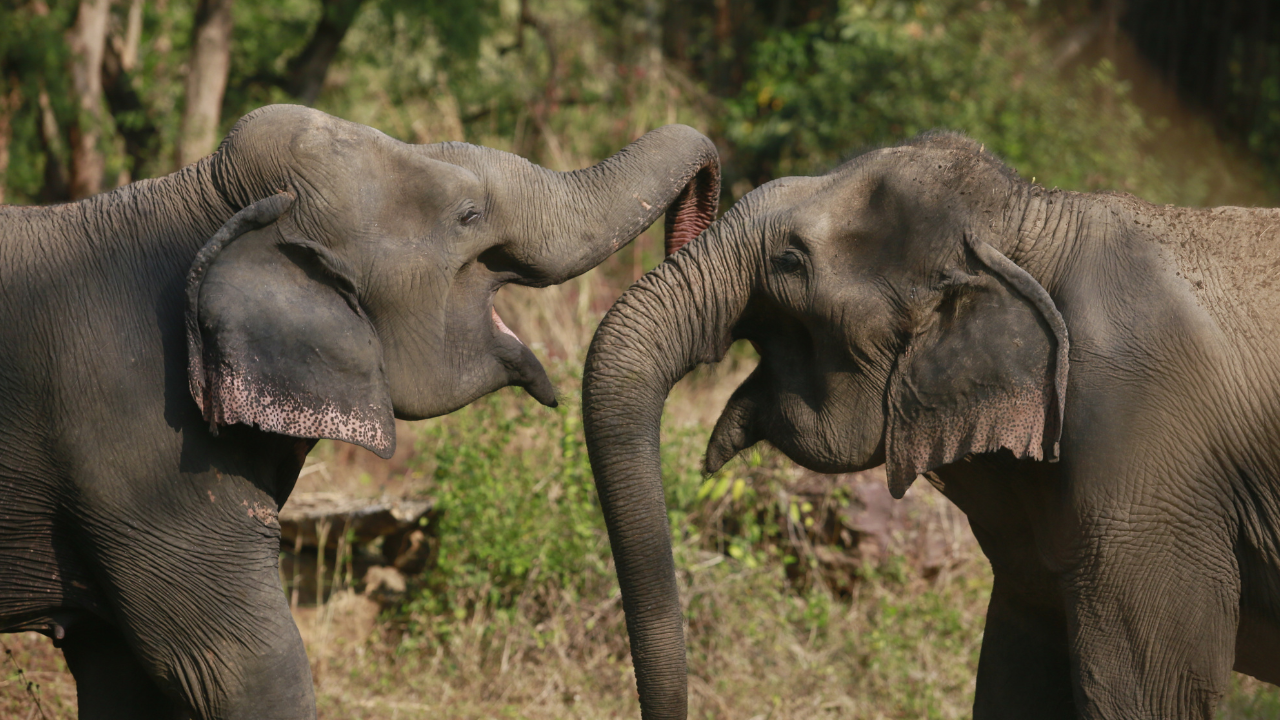
When you make a donation, you’ll join a passionate group of supporters who are determined to change the world for animals. We're fighting animal cruelty wherever we find it — are you with us?
Click to donate8. Elephants make a specific alarm call for bees
It’s hard to believe that small bees could be such a big threat to elephants in the wild. But they can sting sensitive areas like the trunk and around the eyes, so herds are constantly on high alert for them.
Among the most impressive elephant facts is how precisely they communicate danger. Researchers have found that elephants produce a distinct alarm rumble when they sense bees nearby, and different threats can trigger different calls.
9. Some elephants are introverts
Just like us, elephants have individual personalities. Some are highly social and extroverted; others are more cautious and prefer smaller social circles.
Recognising personality differences is one of those elephant facts that should help deepen our appreciation of these animals. They’re not interchangeable, and each one is unique.
10. Lone elephants can show signs of depression
Elephants are deeply social animals. When isolated for long periods, they can display behaviours linked to stress and depression, as loneliness causes them real psychological harm.
How you can help protect elephants
These elephant facts show us something important: elephants are sentient, social, and intelligent beings. Yet across the world, many are still exploited for profit. From tourist rides to entertainment venues, commercial exploitation continues to cause suffering.
We have the power to change this. For World Elephant Day and beyond, we can raise awareness, speak out, and make informed choices.
At World Animal Protection, we work with communities, governments, and partners to end wildlife exploitation and promote humane, sustainable alternatives.
You can start by exploring our elephant-friendly travel guide, which helps you identify venues that put animal welfare first. We also have a resource listing genuine sanctuaries where elephants are not bred or forced to perform.
Elephants deserve to live wild and free, not exploited for entertainment or tourism.
If you’d like to learn more about these remarkable animals and how to help protect them, explore our Elephants hub, where you’ll find the latest news, facts, and ways to support elephant protection around the world.
Related content

Elephant friendly tourist guide
Find out how to be an elephant friendly tourist and discover venues worldwide adhering to the highest standards of truly ethical animal welfare. Read more.
Elephants
Discover how World Animal Protection protects elephants worldwide. Explore key threats, campaigns, news, and ways to take action to help these majestic animals.
World Elephant Day August 12 | Awareness and Advocacy
Animal Awareness Days
World Elephant Day is observed on the 12th of August. Despite their size, popularity and status, elephants desperately need protection. Find out more.