A game changing year for animal protection in international disaster risk reduction policy
Blog
Today marks a year since the United Nations officially recognised the importance of protecting animals from disasters.
The adoption of the Sendai Framework for Disaster Risk Reduction really was a game changer for animals. The framework is a call to action to make the world a safer place and aims to substantially reduce losses from disasters by 2030. After several years of lobbying the United Nations, we ensured that it recognised the importance of protecting animals.
Animals can be affected by disasters in a variety of ways: from immediate loss of life or injury; insufficient feed, water or shelter; they are more susceptible to disease; and can be separated from their owners. But by integrating animal protection into prevention and mitigation activities we can reduce the deaths and needless suffering of millions of animals. While we have been doing this for over 50 years, we are just one organisation and we can’t do it alone. That is why we’ve been engaging the UN and governments. To influence change at the highest level.
In the last year, momentum has been growing and there is increasing recognition that animals are more to their owners than simple commodities. More than just food, animals provide households and communities with a livelihood, cultural identity and companionship.
The Costa Rican government recognised this in its National Risk Management Policy 2016-2030, launched in November. The policy explicitly states the need for protection of livestock and pets in disaster risk reduction. And earlier this month the Indian government released its Disaster Management Plan which focuses on protecting livestock and emphasises preventative measures. You can read more about these tremendous accomplishments in our case studies on Costa Rica and India.
Other countries, such as Mexico have taken a proactive role to integrate animals in their disaster risk reduction activities. For example - when Hurricane Patricia hit in October, the Government issued early warning alerts. This gave people enough time to evacuate themselves and their animals. And for the first time pets were allowed into evacuation shelters.
We are continuing to engage with the UN to support the implementation, follow-up and review of the Sendai Framework and ensure that animal protection stays on the world’s agenda. Find out more about my team's work to protect animals in disaster zones.
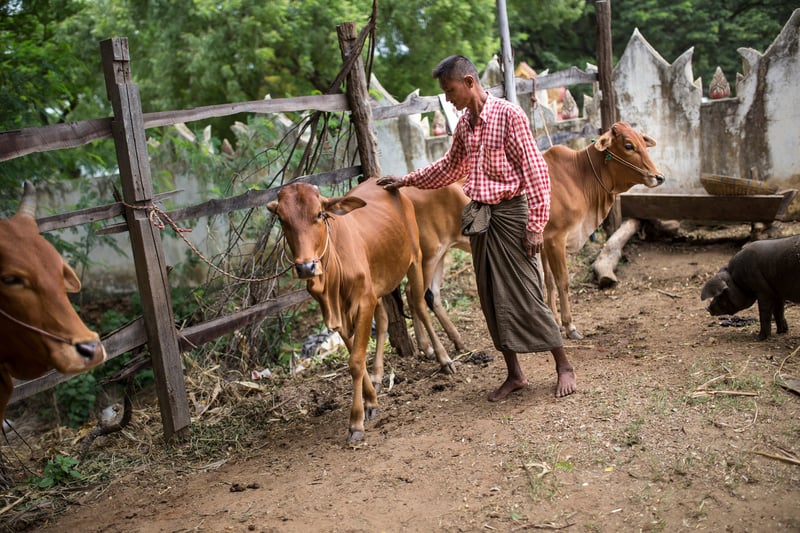
Images: Last year severe flooding hit parts of Myanmar. These images show local farmers with their cattle during our assessment of the impact on livestock caused by the flooding.
Related content
Animals in Communities
Helping governments to manage dog populations humanely and to vaccinate against rabies, instead of culling animals - especially dogs.

Animals in Disasters
Disasters kill and injure millions of animals each year. We’ve been deploying to disaster zones to assist animals for 55 years – and we remind governments to take responsibility for them too
Animal Sentience
At World Animal Protection sentience is at the heart of everything we do, click to find out more.