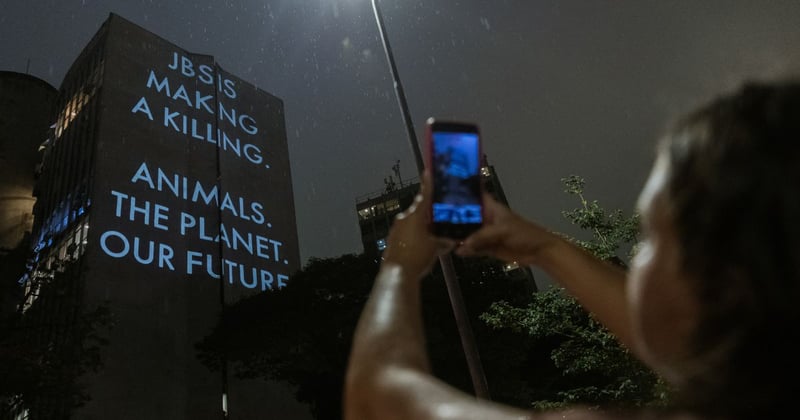
Demonstrations last night lit up in Brazil on the eve of JBS's AGM. Projections showcase the damage the meat giant causes, and investors have the ability to demand better.
On the eve of the Annual General Meeting of the world’s largest meat processor, projections lit up in Brazil, drawing attention to the scale of harm linked to JBS’s operations.
Organised by World Animal Protection Brazil, the projections were designed to cut through the usual focus on growth and performance and instead highlight animal welfare concerns, environmental damage and wider systemic risks.
The reality behind JBS’s operations
JBS is the largest meat processor in the world, generating around $77 billion in annual revenue and operating in 20 countries, with products sold in more than 150.
Its products form part of everyday consumption for people around the world, supplying major brands including McDonald’s, KFC and Burger King, and reaching supermarket shelves through retailers such as Tesco and Lidl, through its subsidiaries.
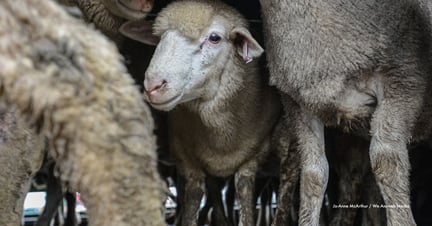
Across its supply chains, the conditions factory farmed animals experience reflect the pressures of producing at this scale. Piglets undergo painful procedures without relief. Chickens are kept in overcrowded sheds and bred for rapid growth that their bodies struggle to sustain. Mother pigs are confined to restrictive enclosures for most of their lives.
As for the environmental impact, JBS-linked supply chains have been repeatedly connected to deforestation, while its production emissions rank among the highest in the sector.
The result is a business model that externalises its costs. The impacts fall on animals, ecosystems and communities, while the company continues to expand.
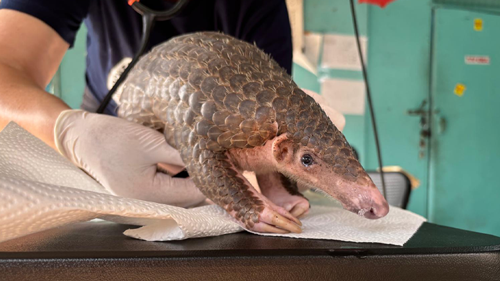
You can make a difference for vulnerable animals
Donate now
When you make a donation, you’ll join a passionate group of supporters who are determined to change the world for animals. We're fighting animal cruelty wherever we find it — are you with us?
Click to donateWhy we’re bringing this to investors
JBS’s recent listing on the New York Stock Exchange has expanded its access to global capital. That makes transparency even more urgent.
The damage linked to JBS’s operations represents real financial risk. Regulatory action, legal challenges, environmental damage and reputational pressure all come with real costs that investors cannot ignore. Investor capital plays a direct role in sustaining this model.
Funding companies like JBS enables the continued expansion of industrial animal agriculture, along with the deforestation and emissions tied to it. Without greater scrutiny, these impacts will continue to grow.
Shifting towards a better food system
We are pushing for a just transition toward food systems that are equitable, more sustainable and more humane.
This means reducing reliance on large-scale industrial animal farming and supporting alternatives that protect animals, reduce environmental pressure and create more resilient supply chains.
There are things we can all do as individuals to support higher animal welfare, from embracing more plant-rich diets to supporting local farms.
JBS is making a killing. Animals. The planet. Our future. Investors have a role to play and capital shapes the system. Choosing where it flows can either reinforce the current model or help accelerate change.
Related content
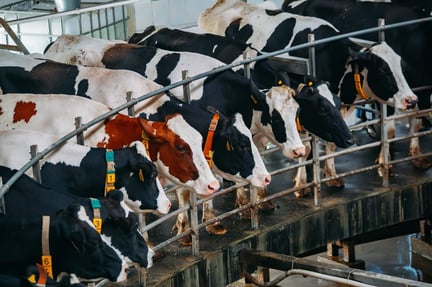
Factory Farming Quiz: Test Your Knowledge
Test your knowledge with our factory farming quiz covering animal welfare, sustainability, environmental impact, and modern food systems.
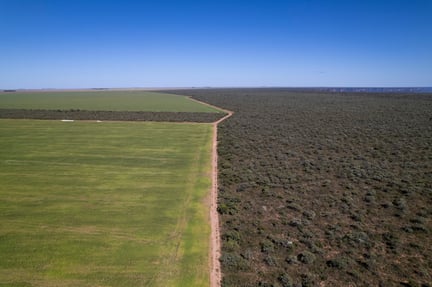
JBS’s Cruel Factory Farming Empire
Discover the hidden costs of meat processing and factory farming by JBS, the world’s largest producer. Take action today!
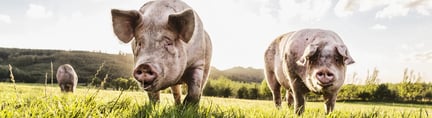
High animal welfare on farms
No future for factory farming
Find out how we work with the food industry to improve farm animal welfare and keep animals in an environment where they can benefit from a life worth living