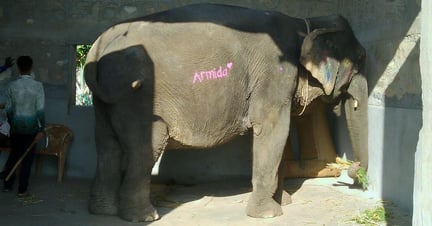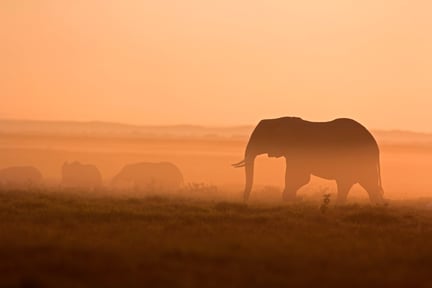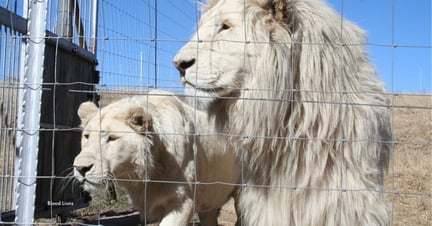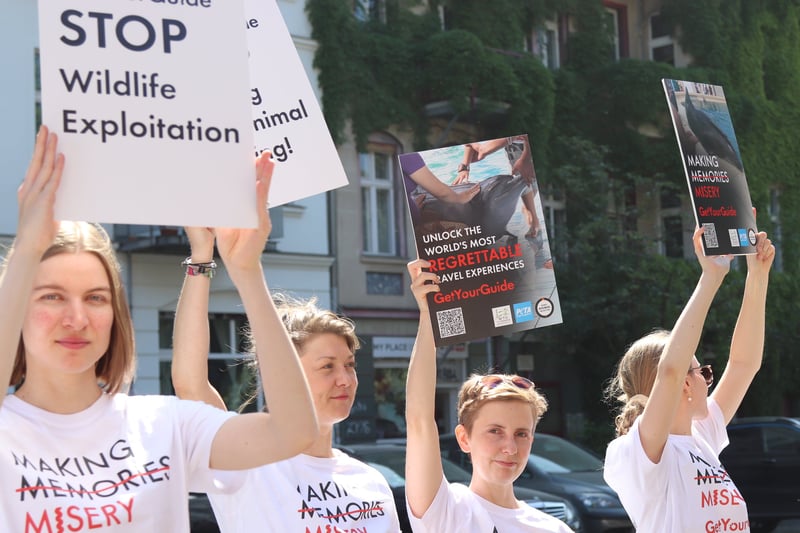
In a bid for clicks, likes, and advertising income, videos and images that show wildlife exploitation can be found across social media platforms, including YouTube, Facebook, and TikTok. This harmful wildlife content includes wild animal selfies, wild animals kept as pets, fake rescue videos, videos of animals being abused, punished, and tortured, and well-meaning owners unknowingly causing harm.
Wildlife exploitation on social media: The scale of the problem
According to research analysed by animal welfare organisations, YouTube was estimated to have made up to $12 million in just three months from the sharing of animal abuse videos and other harmful wildlife content.
And it’s not just YouTube. Facebook and Instagram are some of the worst offenders.
In 2024, the public submitted 80,000 links showing suspected animal abuse content from across various social media platforms. Of these links, 87.5% were found on Facebook. Worryingly, only 36.3% of the flagged animal entertainment content was removed.
Under a variety of global government legislation, such as the UK’s Online Safety Act 2023, animal cruelty content is against the law in many places. But while many social media companies have put content moderation systems in place, enforcement is weak. As a result, animal exploitation on social platforms continues, impacting wildlife everywhere.
The impact of animal selfies on wild animals
some wildlife destinations, it’s common to see tourists taking selfies with wild animals. But while animal selfies may seem harmless, they come with a hidden cost:
- Animals are being exploited. People are selling wildlife selfies to make a profit. But these animals are often kept in cramped, unsanitary conditions, forced into stressful encounters with humans, and left unable to demonstrate their natural behaviours.
- Paying for a selfie encourages the model. Every time a tourist pays for an animal selfie and posts it online, they indirectly finance poachers who take animals from the wild or breed them in captivity. And they encourage other tourists to follow their example.
- Animals can suffer lifelong injuries. Whether through their living conditions, cruel training methods, or the selfies themselves, animals can experience lasting effects. In one extreme example, a captive tiger in Spain went blind after the flashing cameras of tourists caused irreparable damage.
The online illegal wildlife trade and its consequences
According to the SMACC report, 23% of wild animal videos on social media show them being kept as pets.
At first glance, this content may not seem overtly harmful to wildlife, but in addition to the harm caused by taking an animal from their natural environment, videos that show teasing animals by putting them in restrictive clothing, withholding food, putting them on a leash, and scaring them with props or masks are considered a form of abuse.
What’s more, this harmful wildlife content is fuelling demand for exotic pets — sentient wild animals that belong in their natural habitat, not in someone’s home.
Social media as a platform for illegal wildlife sales
Social media isn’t just an advertisement for wild animal ownership, either. The online illegal wildlife trade is heavily facilitated through social platforms.
Adverts for animals and illegal animal products have been found on Facebook, YouTube, Zalo, and TikTok. An investigation by World Animal Protection shows that endangered wildlife, including pangolins, was being sold openly through TikTok in Togo, West Africa.
The connection between social media and poaching
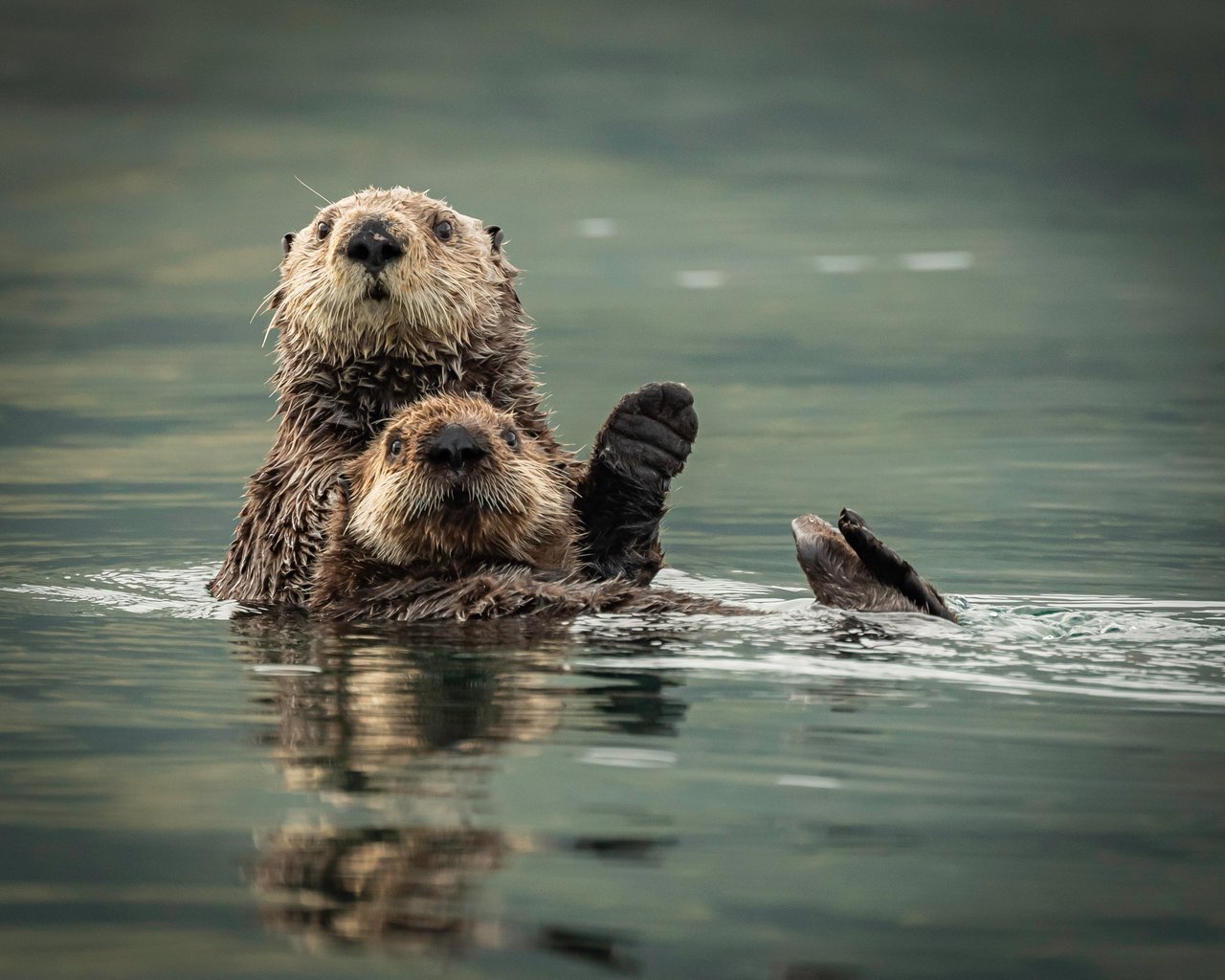
Influenced by their appearance on high-profile social media accounts, illegal markets have emerged for species like otters, apes, cheetahs, and other high-value exotic pets over the past decade.
This online illegal wildlife trade often focuses on young animals who are taken from the wild and from their mothers at an age when poachers and keepers can more easily control them.
You can make a difference for vulnerable animals
Donate now
When you make a donation, you’ll join a passionate group of supporters who are determined to change the world for animals. We're fighting animal cruelty wherever we find it — are you with us?
Click to donateHow to fight back against wildlife exploitation on social media
Want to help wild animals and combat wildlife exploitation on social media? Here are three actions you can take:
Follow the wildlife selfie code
Responsible wildlife tourism is possible. It means avoiding unethical wildlife interactions and only visiting tourist destinations that prioritise animal well-being.
And if you’re going on holiday, remember the Wildlife Selfie Code. Only take a photo if you’re a safe distance from an animal, if they can move freely, and if they’re in their natural habitat.
Promote responsible wildlife content
There’s a lot of harmful wildlife content, animal entertainment content, and misinformation about wildlife online. If you see content like this, don’t watch or interact with it, as social media algorithms are then liable to spread it more widely.
If you want to share wildlife content on social media, ensure it’s responsible. Make sure it’s factually correct and only shows wild animals in their natural habitats.
Report animal abuse on social media
If you see social media animal cruelty, report it. Reporting animal abuse online is the best way to get content removed. Each platform has its own report function. If there’s no option for “animal cruelty,” then select the next closest category.
Help stop wildlife exploitation online
Harmful wildlife content continues to circulate on social media, often with serious consequences for animals. Reducing its spread requires more enforcement, responsible content sharing, and collaboration between platforms, policymakers, and animal welfare organisations.
Subscribe or donate to support us as we continue working with partners to improve online protections for wildlife and push for stronger safeguards across social media.
Related content
World Wildlife Day
Animal Awareness Days
World Wildlife Day on March 3rd celebrates the natural world and its inhabitants. Join us in educating the world on why wildlife deserves a wild life.
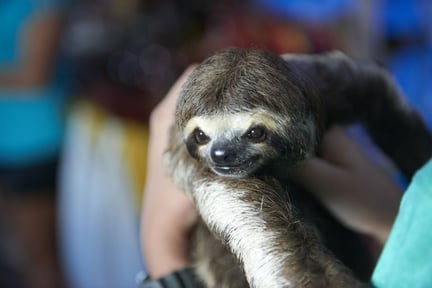
Sloth selfies: how we discovered the true impact
Blog
Our research shows that when sloths are taken out of their natural habitat to be handled by tourists, it damages their health and mental wellbeing
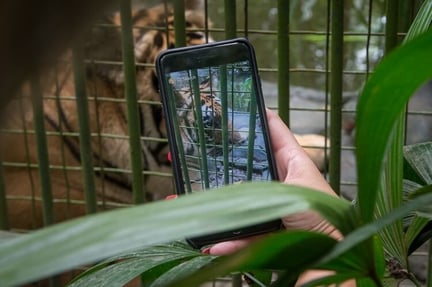
Tiger suffers permanent blindness due to tourist photos
News
A captive tiger named Firmin has had his eyes removed and his eyelids sewn shut after years of damage caused by flashing cameras from tourists taking wildlife selfies.