Our changing climate has far-reaching effects. As ecosystems grow warmer, plants bloom out of season, and animals alter their migration patterns, affecting food sources, prey availability, and water access. These disruptions don’t just impact individual animals, either. They ripple through entire ecosystems, leading to a loss of wildlife and biodiversity globally.
The impact of climate change on wildlife habitats
Climate change currently affects close to 16,000 species on the IUCN Red List, increasing the likelihood of their extinction — and that number is expected to grow further unless we change our approach to climate change and wildlife protection.
Here, we reveal how climate change affects wildlife and share practical ways you can help prevent the loss of wildlife and biodiversity before it’s too late. Together, we can prevent biodiversity collapse and build ecosystem resilience.
Disappearing habitats and endangered species
Climate change is impacting wildlife habitats everywhere, from tropical rainforests to the coral reefs in the ocean.
Here are just some of the ecosystems at particular risk from climate change:
- The Arctic: Climate change in the Arctic and its impact on wildlife can’t be overstated. Melting sea ice threatens many species, including polar bears, walruses, and seals, who rely on the ice for hunting, resting, and breeding.
- Coral reefs: As ocean temperatures rise, coral reefs are susceptible to bleaching and the effects of ocean acidification. This impacts the 25% of marine species that live in or around coral reefs, including many species of fish, turtles, and marine mammals.
- Tropical forests: Tropical forests are becoming warmer and drier. Scientists predict that, within the next 100 years, climate change and deforestation could transform the Amazon rainforest into a savannah, making it an unsuitable habitat for most of the wildlife that currently calls it home, like birds, frogs, and jaguars.
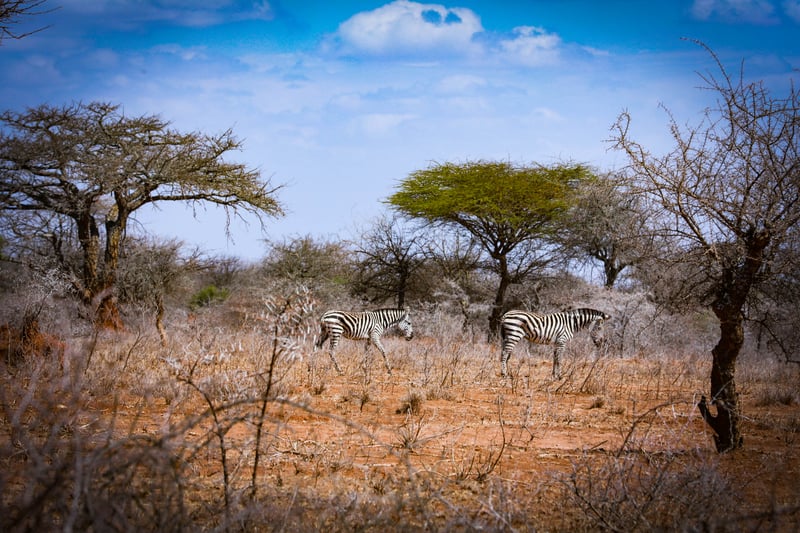
- Grasslands and savannahs: Climate change is causing extreme weather events. Extreme heat and drought are affecting water and food availability, as well as increasing the likelihood of wildfires, while intense rainfall is causing flash floods and land erosion. This impacts grassland species like elephants and big cat predators.
- Wetlands: Rising sea levels pose a particular problem for coastal wetlands, where saltwater intrusion and increased erosion are impacting wildlife, particularly amphibians and birds.
When habitats disappear or shift quickly due to climate change, animals struggle to adapt, and the wildlife extinction risk increases.
How rising temperatures are affecting migration patterns
Climate change and migration are also closely interlinked. In response to global warming, animals are altering when and where they migrate. They’re entering new areas to find food and mates, disrupting existing ecosystems by introducing new competition.
- Birds: Climate change is influencing bird migration patterns, making these journeys even more dangerous than they already were. Stopover sites are becoming less suitable, and birds don’t always have enough time to find food before setting off on their long journeys, threatening their survival.
- Ocean wildlife: Warming waters are altering migration paths of ocean mammals. Whales, for example, are entering unfamiliar waters and travelling closer to busy shipping routes, which puts them at increased risk of ship strikes and entanglements.
- Terrestrial mammals: Terrestrial mammals, like elephants, are travelling further as they move in search of food and water. They’re coming into closer contact with human settlements, which increases the likelihood of human-wildlife conflict.
The threat of climate change to biodiversity
Because of the climate crisis, wildlife and biodiversity are under threat. At just 2°C of warming, 8% of mammals will lose half their habitat, and 99% of coral reefs will vanish. As a result, animal species will struggle to survive, and biodiversity will drop.
`If these trends continue, there’s also a risk of total biodiversity collapse — the point at which nature and its cycles stop functioning effectively.
Species at risk from climate change
Climate change and biodiversity loss are contributing to wildlife vulnerability. Exactly how climate change affects wildlife varies by species.
- Pollinators: We rely on pollinators — like butterflies and bees — for all the food we eat, but habitat loss driven by factory farming is a major threat to their populations.
- Coral: Corals are some of the world’s most at-risk species. They are impacted by mass bleaching, disease, and die-offs due to climate change.
- Arctic fox: Climate change is creating new competition in the Arctic and impacting the natural balance. Red foxes, for example, are moving further north in search of cooler climates and entering Arctic fox territory. As red foxes are bigger than Arctic foxes, they outcompete them for food and chase them away from their dens.
- Green sea turtles: Global warming is increasing the temperature of the sand in which turtle eggs are incubated, resulting in more females being hatched. This severely impacts the species’ ability to reproduce and survive.
- Whales: Whales are ecosystem engineers and play a critical role in the health of our planet. However, increasing water temperatures and food availability are impacting their ability to thrive.
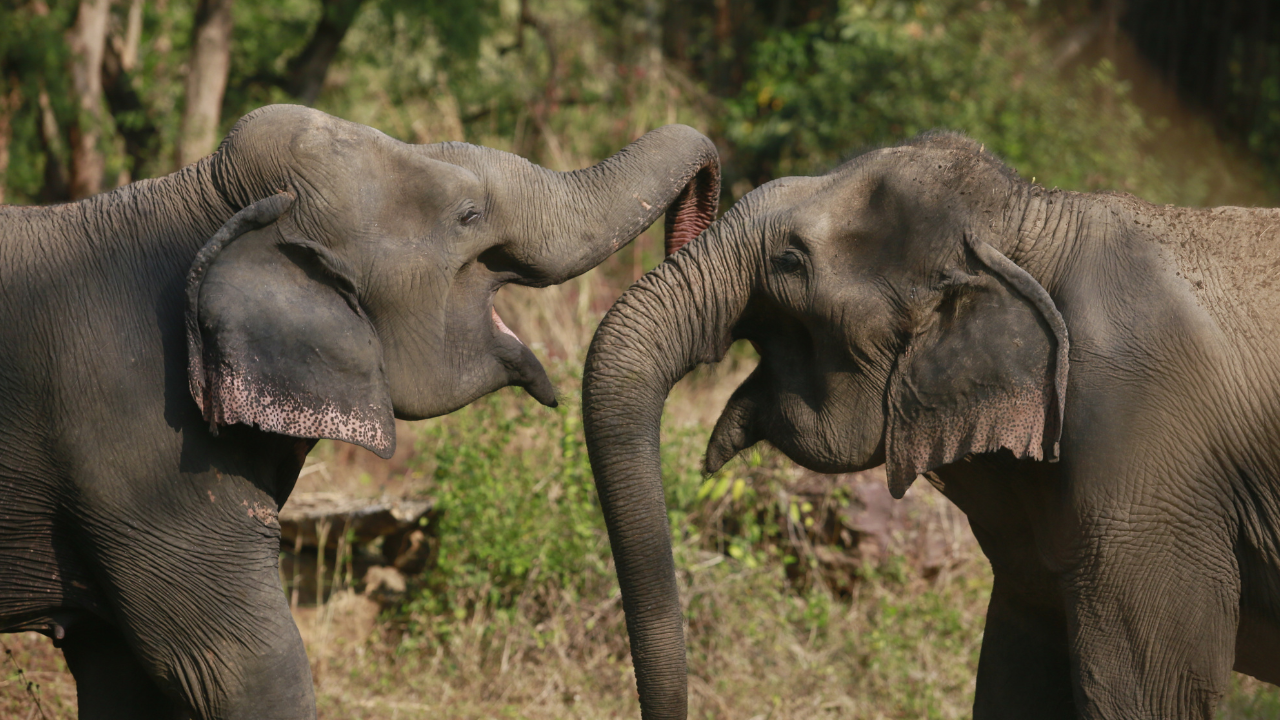
- Asian elephants: Asian elephant habitat is affected by altered rainfall patterns, which impact vegetation growth and water availability, making it harder for elephants to feed and hydrate themselves.
You can make a difference for vulnerable animals
Donate now
When you make a donation, you’ll join a passionate group of supporters who are determined to change the world for animals. We're fighting animal cruelty wherever we find it — are you with us?
Click to donateWhat we can do to help wildlife survive climate change
Climate change’s impact on ecosystems is devastating. But there are things we can do to improve ecosystem resilience and protect animals around the world.
Supporting wildlife conservation efforts
Here at World Animal Protection, we’re working to better understand how climate change affects wildlife and to help protect animals from its effects.
We’re preventing habitat loss and habitat fragmentation by lobbying for legal protections and by exposing the companies involved in factory farming.
We’re also championing a just transition to more sustainable food systems that produce fewer greenhouse gas emissions, require less land, and treat the environment and wildlife with the care they deserve.
You can support our climate change and wildlife conservation efforts by highlighting our work on your social channels or by donating today.
Taking action to reduce your carbon footprint
Besides supporting the work of organisations like World Animal Protection, you can do your bit to fight climate change and wildlife extinction.
Reduce your carbon footprint by:
- Eating less meat and dairy. Choose plant-based foods where possible.
- Being a conscious consumer. Reuse and repair items, and only buy something new when you really need to.
- Walking or cycling rather than driving. For longer trips, travel by train rather than by air.
- Improving energy efficiency at home. Insulate your house, lower your thermostat, and use energy-efficient appliances.
Protecting wildlife in a changing climate
Climate change is reshaping the natural world faster than many species can adapt. From disappearing habitats to disrupted migration patterns, wildlife is being pushed to the brink.
We’re working to protect habitats, challenge industries driving climate harm, and push for food and farming systems that safeguard animals, people, and the planet.
Donate or subscribe for updates to support our work protecting wildlife in a warming world.
Related content
Habitat Loss & Destruction
Wildlife
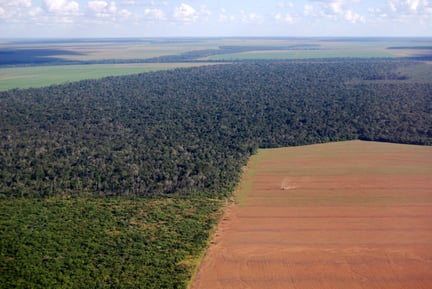
Discover the causes and impacts of habitat loss, explore real-world examples, and learn how to protect and restore vital wildlife habitats worldwide.
World Animal Protection Climate Change Hub
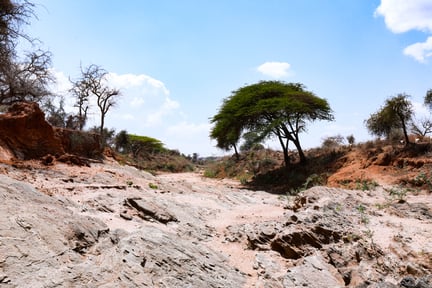
Discover everything that World Animal Protection is doing to tackle the climate crisis and what you can do to help.
Food systems
Our campaigns
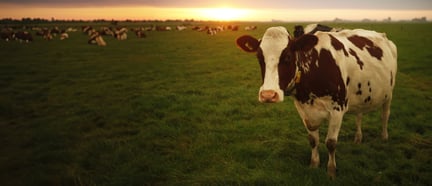
Working to ensure farmed animals live good lives by transforming the global food system & attitudes towards farm animal welfare.