CITES CoP20 delivers stronger protections for two toed sloths and Galapagos iguanas. These decisions offer new hope for wildlife threatened by trade.
World Animal Protection colleagues have been on the ground at CoP20 of the Convention on International Trade in Endangered Species of Wild Fauna and Flora, also known as CITES.
Hosted this year in Uzbekistan, the conference brought governments together to decide how wild animals are protected from international trade. Two species groups we have advocated for received significant wins.
What is CITES CoP20
CITES is a global agreement between governments that regulates international trade in wild animals and plants. It exists to ensure that trade never threatens the survival of species.
At each Conference of the Parties, governments propose changes to the CITES Appendices, which determine the level of protection a species receives in international law.
At CoP20, delegates assessed urgent proposals for species under severe pressure from demand linked to the exotic pet industry and wildlife trafficking.
Two key species supported by World Animal Protection were among those considered: the two toed sloth and Galapagos iguanas.
Two toed sloth
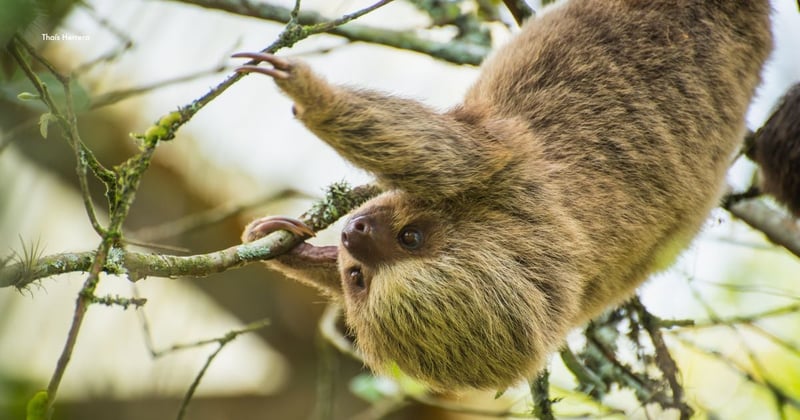
Two toed sloths are gentle, slow moving mammals native to Central and South America.
Their unique biology, slow reproduction and specialised habitat requirements make them particularly vulnerable to exploitation.
In recent years, demand for sloths as exotic pets and photo props has increased, driving the capture of wild animals and causing serious welfare harm.
Risks they face
Sloths are targeted for the tourist photo industry, roadside attractions and international trade. Many are taken directly from the wild, often as infants.
Their low reproductive rate means wild populations struggle to recover from even small losses. Habitat destruction continues to shrink the forests they depend on.
Voting decision and what will change
Parties at CoP20 voted to include two toed sloths in CITES Appendix II. This decision introduces strict international controls on trade. Exporting countries must now demonstrate that any trade is legal, sustainable and does not harm wild populations.
The decision will reduce opportunities for traffickers and help prevent wild sloths being marketed as captive bred.
This is a major step that strengthens global protection and supports ongoing national conservation work.
We are very pleased to celebrate the decision to include Hoffmann's Two-toed Sloth (Choloepus hoffmanni) and Linné’s Two-toed Sloth (Choloepus didactylus) in CITES Appendix II.
This is an important first step that reflects the growing global recognition of the urgent need to address the rising illegal trade that has increasingly threatened wild sloth populations over the last decade. Demand for these animals as exotic pets, zoo acquisitions, and tourist photo props/sloth 'encounters' has driven a significant surge in trafficking, placing both species at heightened risk.
World Animal Protection with other local and international organizations, has long campaigned to protect sloths from exploitation, documenting the severe animal welfare issues associated with their use in tourist photographs, 'selfies' and the exotic pet trade. Our evidence has consistently shown that these practices subject sloths to extreme stress, rough handling, injuries, and long-term trauma.
The inclusion of these species in Appendix II is a crucial measure to strengthen oversight and ensure that any international trade does not further threaten wild populations. However, we commend this decision as a meaningful step forward; we want to emphasize and raise awareness that no sloth should ever be kept as a pet or exploited for photos or close encounters. These practices must end. Sloths belong in their natural habitat, where they deserve our full protection
All iguanas of the Galapagos
The Galapagos Islands are home to several unique iguana species, including land iguanas, marine iguanas and the critically endangered pink land iguana.
These species evolved in isolation and are found nowhere else on Earth
They play an essential role in island ecosystems and are a symbol of the archipelago's extraordinary biodiversity.
Threats
Galapagos iguanas face multiple pressures. Illegal wildlife trade is a serious and growing concern, with evidence of wild iguanas being taken and falsely sold as captive bred.
Habitat disturbance, invasive predators, climate change and extreme weather events also threaten their survival.
Voting outcomes and changes
Parties agreed to transfer all Galapagos iguana species to CITES Appendix I. This is the highest level of protection available under the Convention.
Appendix I prohibits almost all commercial international trade. Any remaining movements of these species will now require the most rigorous permits and must be non commercial in nature, such as for scientific research or conservation programmes.
This decision closes loopholes exploited by traffickers and significantly strengthens global efforts to protect these iconic reptiles.
This historic step will ban international commercial trade in these species and significantly strengthen measures against trafficking, particularly in the exotic pet trade. We also urge governments where CITES records show high levels of reported exports, for example, Uganda, to take effective measures to combat this trade, including putting a stop to the ongoing commercial captive breeding in the country.
The Galápagos Islands, a UNESCO World Heritage Site, are home to iconic, endemic species that are increasingly threatened by illegal wildlife trade, climate change and invasive predators. The uplisting of these iguanas brings much stronger protection and greater scrutiny against illegitimate claims of captive breeding.
You can make a difference for vulnerable animals
Donate now
When you make a donation, you’ll join a passionate group of supporters who are determined to change the world for animals. We're fighting animal cruelty wherever we find it — are you with us?
Click to donateA positive step forward
The outcomes for sloths and iguanas at CITES CoP20 represent a major victory for wildlife protection. These decisions show that the international community recognises the urgent need to safeguard vulnerable species from trade driven harm.
We will continue to work with partners and governments to ensure these new protections are implemented effectively and that enforcement is strengthened. These wins give hope that species under pressure can be given the chance to recover and thrive.
Related content
What is wildlife farming?
Ending commercial exploitation
Wildlife farming is the commercial breeding and raising of wild animals. Learn how you can take action to prevent their exploitation.
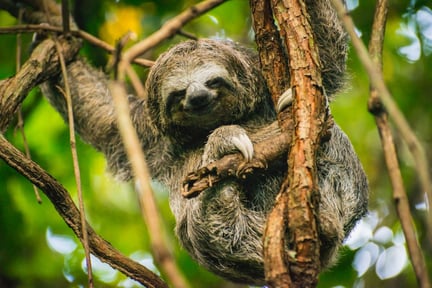
Animal Sentience
At World Animal Protection sentience is at the heart of everything we do, click to find out more.
Protecting wildlife in travel & tourism
Wildlife
Would a real responsible traveller have captive wildlife entertainment on their wish list?