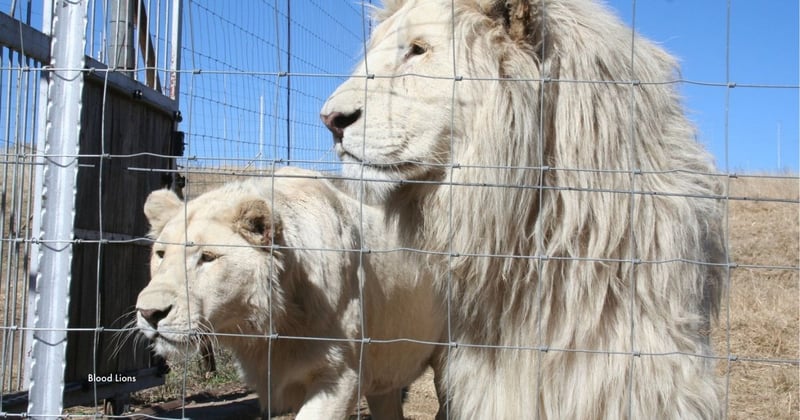
New global poll shows tourists will turn away if South Africa backtracks on captive lion phase out
News
A new poll shows 70 percent of tourists would avoid South Africa if it reverses its captive lion phase out, risking jobs, reputation and ethical tourism progress.
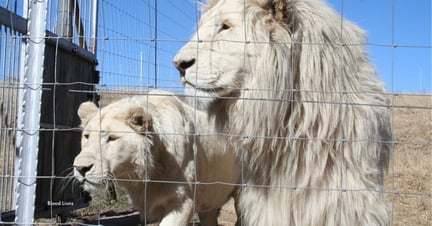
In collaboration with Blood Lions, a new international poll has been commissioned, revealing strong global and domestic pressure on South Africa to follow through with its commitment to end the commercial captive lion breeding industry.
The findings warn that any reversal of the country’s planned phase out would damage its international reputation and risk significant losses in tourism demand.
The poll comes amid concerns that the government’s 2021 commitment to end the industry may be weakened following recent ministerial changes. Public pressure has grown for clarity and action as the phase out continues to face delays.
Global tourists would avoid destinations linked to captive breeding
The survey of respondents across South Africa, the United Kingdom, the United States, the Netherlands and Germany found that three out of four people support the 2021 decision to end the commercial exploitation of captive lions.
70% of international tourists said they would be put off visiting a country that allows lions to be bred and kept in captivity for profit.
A further 69% warned that reversing the phase out would harm South Africa’s reputation as a responsible and ethical destination.
For countries that depend heavily on travellers seeking nature and wildlife experiences, public trust in ethical tourism is increasingly influential in choosing where to visit.
The poll shows that concern for lion welfare remains a powerful motivator. Protecting these animals is not just ethical - it's what the public expects.
The world is watching how South Africa manages their natural heritage and tourists are making decisions accordingly.
Warning of economic losses for the tourism sector
Tourism contributes nearly 9% to South Africa’s GDP and supports around 1.8 million direct and indirect jobs. In 2025 the country welcomed nearly 10.5 million international visitors, with key markets such as the UK, USA, the Netherlands and Germany accounting for more than 1.2 million arrivals.
If 70% of tourists from these major markets were deterred, South Africa could lose an estimated 860,000 visitors. Based on national tourism ratios, this puts approximately 66,000 jobs at risk. The commercial captive lion industry, by comparison, supports a far smaller number of jobs.
These figures reflect the economic stakes of decisions made around wildlife management, as well as the growing public demand for tourism that prioritises animal welfare and long term sustainability.
Strong domestic opposition to industry reversal
South African citizens echo the concerns raised by international visitors. The poll found that:
- 72% reject promoting exploitative wildlife industries over wildlife friendly tourism alternatives
- 66% believe commercial captive lion breeding is unethical
- 66% believe it would be unacceptable to risk tourism demand
- 63% warn that reversing the phase out would undermine trust in evidence based governance
- 57% believe banning captive lion breeding would make South Africa more attractive as a destination
Respondents also highlighted lion welfare as the strongest reason for supporting the phase out.
South Africa’s commercial captive lion industry has been proven to be deeply problematic, creating issues around reputational damage, ethical and animal welfare concerns and zoonotic diseases.
Our new polling data shows that failing to end this industry also risks serious harm to our vital tourism industry.
We call on Minister Willem Aucamp to end the delays and uncertainty and urgently deliver the promised phase out of this industry.
A mandate to end captive lion breeding
The polling shows that both international travellers and South African citizens want the government to complete the phase out of captive lion breeding.
The country's credibility as an ethical and wildlife friendly destination depends on completing the phase out of captive lion breeding and dismantling industries that exploit South Africa's lions for entertainment, profit or tourism.
As global expectations shift towards more ethical wildlife experiences, following through on the phase out is seen as essential for protecting both lions and the long term health of the tourism sector.
Related content
Commercial captive lion breeding
Travel & tourism
Lions are exploited for financial gain around the world; discover what World Animal Protection is doing to put a stop to the commercial breeding industry.
Animals Are Not Entertainment - Truth Behind Captive Wildlife Attractions
Blog
Discover the truth behind captive wildlife attractions. Learn why these cruel practices harm animals and how we can stop animal exploitation in tourism.
What is wildlife farming?
Ending commercial exploitation
Wildlife farming is the commercial breeding and raising of wild animals. Learn how you can take action to prevent their exploitation.