Nicaragua’s surge in wildlife exports spikes urgent animal welfare concern
News
Over 11,000 wild animals were exported from Nicaragua in one month, raising concerns for welfare, biodiversity, and public health.
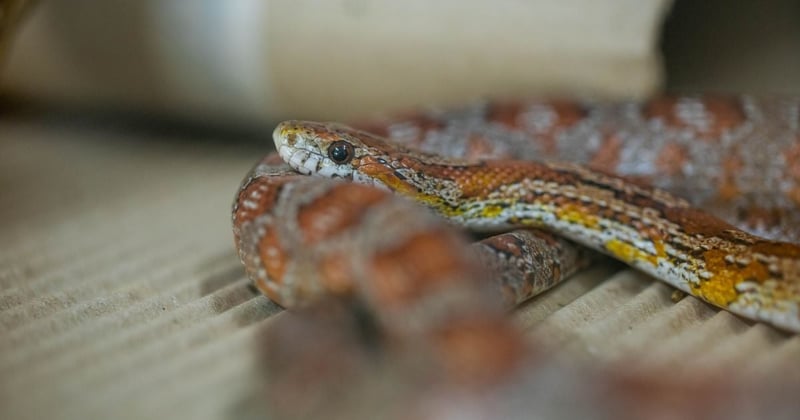
More than 11,000 wild animals were exported from Nicaragua in a single month, including species such as red‑eyed tree frogs and other reptiles and amphibians.
This rapid expansion of the country's wildlife trade represents a critical threat to animal welfare, ecosystem stability, and public health.
Wildlife suffering behind the numbers
According to the available data, many of the exported animals originate from licensed breeding facilities. Yet this does not eliminate the inherent welfare risks within the wildlife farming trade.
Animals are frequently kept in artificial environments that fail to meet their physical, behavioural and psychological needs. The processes of confinement, breeding, and international transport can cause prolonged stress, illness and high mortality.
Captive breeding is often framed as a humane solution, but in reality it can sustain global demand, mask laundering of wild‑caught animals, and place additional pressure on wild populations.
Behind every number are sentient animals, capable of feeling fear, stress, and suffering.
Capture, confinement, captive breeding, and transport for international trade pose significant risks to their well-being and to the ecosystems of which they are a part.
You can make a difference for vulnerable animals
Donate now
When you make a donation, you’ll join a passionate group of supporters who are determined to change the world for animals. We're fighting animal cruelty wherever we find it — are you with us?
Click to donateA growing driver of biodiversity loss
The international wildlife trade adds another layer of pressure to ecosystems already facing threats from deforestation, land conversion, and human expansion.
The removal, or mass reproduction, of wild species for commercial purposes can destabilise ecological relationships, weaken natural populations and create cascading impacts across entire habitats.
Biodiversity loss has direct and devastating implications for environmental resilience and human wellbeing. The disruption of natural ecosystems increases susceptibility to disease spillover and disrupts the balance required for healthy environments.
Biodiversity is not a luxury; it is the foundation of ecological balance and our own survival. When we weaken ecosystems, we weaken ourselves.
Public health implications
The global wildlife trade is known to be a driver of zoonotic disease risk. Stress, overcrowding, weakened immune systems and the mixing of species during transport create ideal conditions for the emergence and spread of pathogens.
We promote a One Health approach that recognises the interconnectedness of animal, human, and planetary health. Systems that treat wild animals as commodities increase the likelihood of disease transmission and future health crises.
With thousands of animals being exported monthly from Nicaragua alone, the risks extends beyond national borders.
Wild animals, when protected in their natural habitat, do not pose a risk. But bringing them home for close contact with children, the elderly, and pets creates a risk of disease transmission.
Growing international demand for exotic pets
Nicaragua's wildlife exports feed a booming global market for exotic pets, particularly in Asia, North America and Europe.
Despite their popularity, wild animals and reptiles sold as pets are often marketed as 'easy to keep', a claim that contradicts their complex behavioural, environmental and dietary needs.
Captivity in homes, cages or aquariums rarely meets these requirements, leaving animals to endure chronic stress, illness and premature death.
Call for stronger global action
This surge in wildlife exports urgently needs stronger international regulations, better enforcement and a fundamental shift away from treating wild animals as commodities.
We will continue to advocate for:
- An end to the commercial wildlife trade, including captive breeding for the pet market
- Stronger global commitments to protect biodiversity
- Public education on highlighting the cruelty and risks behind the exotic pet industry
- Policy reforms that prioritise the wellbeing of animals, ecosystems and human communities
Wild animals belong in the wild. Not in trade, not in captivity, and not in the global pet market.
Related content
Why is it cruel to keep wild animals as pets?
Blog
Most owners buy exotic pets because they love animals – but sadly a wild animal’s needs and natural behaviours cannot be met in our homes.

A new deal for wild animals
Wildlife
Discover how we lobby governments and demand that wild animals have the right to a wild life with stringent laws and policies to truly protect them.
Why Reptiles Don’t Belong as Pets - Exotic Reptiles Have Complex Needs
Blog
Reptiles are intelligent, complex animals. Learn why keeping exotic reptiles as pets can harm their welfare — and how you can help protect them.