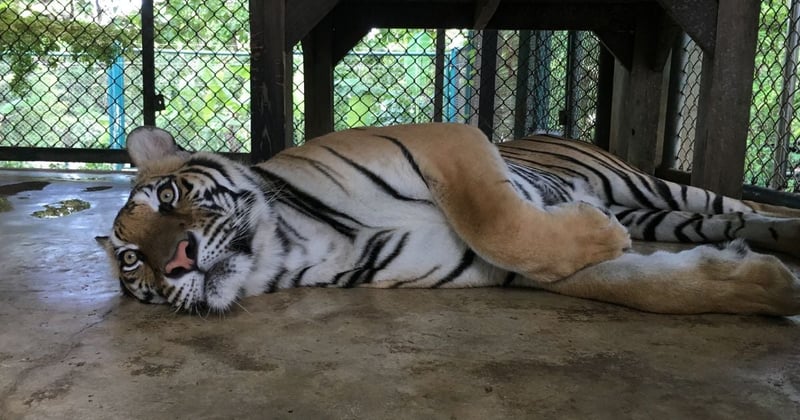
Authorities confirm a virus outbreak at Tiger Kingdom as the deaths of seventy two tigers raise serious concerns about captive wildlife welfare and tourism practices.
Authorities have confirmed the deaths of 72 tigers at Tiger Kingdom’s Mae Taeng and Mae Rim facilities between 8 and 19 February.
On site inspections and laboratory tests ruled out avian influenza and identified infection with Mycoplasma in combination with canine distemper virus.
Officials noted that these diseases spread rapidly in captive environments where animals are kept in close quarters. Both sites were immediately closed for disinfection and disease control, and staff and recent visitors are being monitored as a precaution.
The fatalities were split across the two facilities, with 51 deaths at Mae Taeng and 21 at Mae Rim. Surviving tigers have been quarantined, and authorities have outlined disease control and vaccination measures. Carcasses were buried, with marked sites to prevent illegal trade and ensure traceability.
A first-hand experience of witnessing tiger exploitation
Our Director of Wildlife Research and Veterinary Expertise, Dr. Jan Schmidt-Burbach, has visited many captive animal facilities around the world.
"This case is a tragic reminder that tigers do not belong in captivity. The smallest issue can quickly endanger many animals, and the poor welfare conditions they face exacerbate disease outbreaks.
"I have been to this tiger facility numerous times and assessed it for our research for the first time in 2009, when they only had 33 tigers. The results of this first assessment are included in our ‘Wildlife on a Tight Rope’ report, as well as in this peer reviewed paper. Later assessments in our ‘Tiger Selfies Exposed’ report, which saw us anonymously visit 17 major tiger entertainment venues, one of those was Tiger Kingdom in Chiang Mai.
"All 17 offered cruel and unnatural activities and performances. Tiger Kingdom was one of the venues that allowed tourists to get up close to both adult and tiger cubs for selfies.
"Statements by the authorities have indicated that Canine Distemper virus was the cause of death. Tigers are well known to be susceptible to canine distemper virus, and the recommendation is to vaccinate to prevent outbreaks especially in high risk areas.
"These sad deaths suggest a failure in preventative measures to mitigate such outbreaks. The knowledge of preventive measures is well established and covered in detail in a recent study conducted at government facilities in Thailand.
"The inadequate conditions for tigers at Tiger Kingdom, the high frequency of breeding them for commercial gain, and the proven failure to protect the tigers from disease outbreaks should be a wake up call for the Thai government to take steps to ensure this is the last generation of tigers exploited for captivity.
"The facilities have zero benefit for conserving wild tigers, provide no educational benefit, and, apart from causing immense suffering to tigers, put staff and visitors at risk of injury and disease.
Our message is simple: if you can ride, hug, or have a selfie with a wild animal, please don't, and don't support these activities.
You can make a difference for vulnerable animals
Donate now
When you make a donation, you’ll join a passionate group of supporters who are determined to change the world for animals. We're fighting animal cruelty wherever we find it — are you with us?
Click to donateRisks of exploiting wild animals for tourism
We are deeply saddened by the loss of so many tigers. The scale and speed of this outbreak highlight the inherent dangers of keeping and breeding wild animals in high density captive environments for commercial tourism.
Years of intensive breeding for visitor demand can also weaken genetic diversity, making animals more susceptible to illness and reducing their ability to fight infection.
Such conditions intensify stress, weaken immunity and create ideal conditions for disease to spread. Repeated close contact with tourists exposes animals and people to unnecessary risks.
These issues are structural, predictable consequences of a model that treats wild animals as photo props instead of sentient beings. Direct contact attractions, including tiger selfies, have long been linked to poor welfare, unsafe handling, and inadequate biosecurity.
Legality does not equal responsible practice
While some wildlife exhibitions may operate within existing laws, legality alone does not make these practices ethical or safe.
This incident underlines the urgent need to reassess the breeding, handling and use of wild animals for tourist interactions.
Keeping wild animals in confined, artificially controlled environments poses serious welfare and public health concerns that cannot be ignored.
We urge travellers and tourists to consider thorough research before visiting venues, and encourage responsible travel wherever possible. Seeing animals in their natural habitats, witnessing them act freely, cannot compare to life in captivity.
What needs to change
We are calling for a transparent and comprehensive review of animal welfare standards, disease prevention protocols, and biosecurity measures in facilities that keep wild animals for tourism.
Preventative measures such as vaccination, proper health management, and strict monitoring are already well established. They must be implemented consistently in all high risk settings.
But ultimately, the long term solution is a full transition away from exploiting wild animals for entertainment. We need tourism models that respect animals as wild beings, prioritise welfare, and keep wildlife in the wild.
This tragedy should be a sign of the times. It is time to end direct contact wildlife attractions and invest in truly ethical, wildlife friendly tourism.
Related content
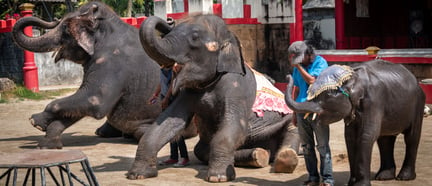
Protecting wildlife in travel & tourism
Wildlife
Would a real responsible traveller have captive wildlife entertainment on their wish list?
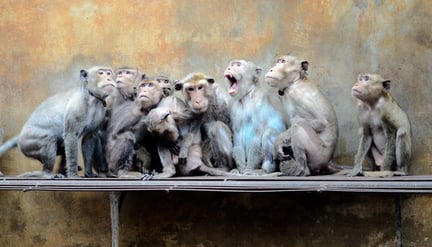
Animals Are Not Entertainment - Truth Behind Captive Wildlife Attractions
Blog
Discover the truth behind captive wildlife attractions. Learn why these cruel practices harm animals and how we can stop animal exploitation in tourism.
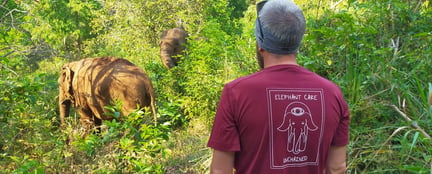
Wildlife Heritage Areas
Heritage Sites
A global programme recognising responsible wildlife-watching destinations that incorporate high standards of animal welfare and biodiversity conservation