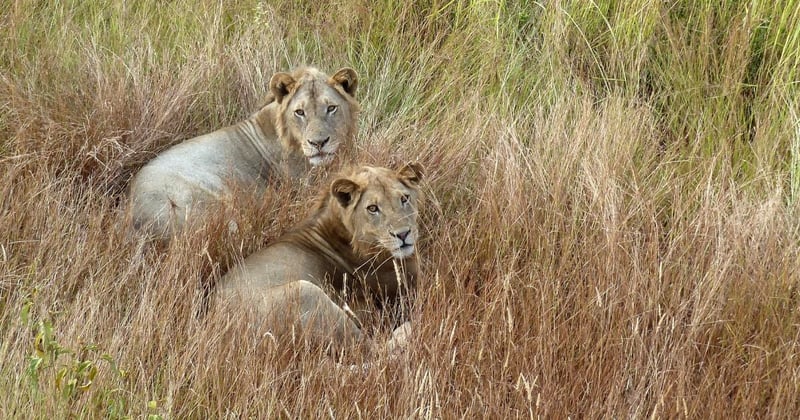
New Minister Appointment raises alarms for wildlife protection in South Africa
News
A new South African environment minister raises concern over wildlife breeding rollback amid past reforms.
South Africa has recently appointed Willem Abraham Stephanus 'Willie' Aucamp as the country's new Minister of Forestry, Fisheries and the Environment (DFFE), replacing Dr Dion George.
This change has sparked concern among conservationists, particularly given Minister Aucamp's perceived pro-wildlife breeding stance and potential implications for previous gains in ending exploitative wildlife industries.
What are the changes
President Cyril Ramaphosa announced the cabinet reshuffle on 12 November 2025, in line with Section 91 of the South African Constitution.
The government states that Dr Dion George was removed from his post, and Mr Aucamp has now taken over the DFFE portfolio.
According to news reporting, Aucamp previously served as the Democratic Alliance's national spokesperson.
During George's tenure, strong wildlife-welfare reforms were advanced, notably, work to phase out captive lion breeding through a Lion Prohibition Notice.
Conservationists warn of a set-back
Wildlife protection organisations are warning that Aucamp's appointment could herald a rollback in the progress made under George.
Former South African Minister of Forestry, Fisheries and Environment (DFFE), Dr. Dion George, made significant strides against the captive lion and wildlife breeding industry.
He initiated a phase-out of captive lion breeding and set the lion bone export quota to zero. We need to ensure that the newly appointed Minister, Mr. Aucamp, continues this important, science-based progress to phase out the lion farming industry.
Having grown up in Southern Africa, I have a deep connection to the country and its wildlife, so any rollback on the progress made to date would be deeply concerning.
The wildlife of South Africa is something to be very proud of, and it needs to be protected rather than serve the interests of anyone seeking to profit from wildlife exploitation.
This is important far beyond South Africa. The DFFE has international attention and responsibility, and foreign governments closely monitor the country's stance on wildlife trafficking and sustainable use.
The exploitation of wild animals for profit should be something we all stand against.
Canned Hunting, Wildlife Breeding, and Tourism
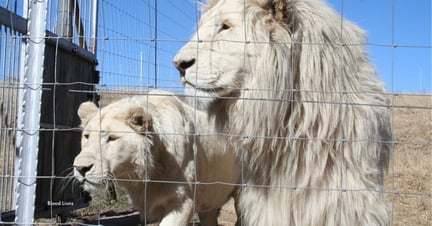
We have long campaigned to end the cruelty of canned hunting, which is the practice where lions (or other wildlife) are bred in captivity to be hunted.
Under Dion George, South Africa moved closer to phasing out these facilities, strengthening protections and restricting commercial exploitation.
These reforms also intersect with wildlife tourism. Ethical tourism that values wild-living animals depends on the very protections now at risk.
If breeding industries are allowed to expand again, it could undermine both conservation goals and the credibility of South Africa's wildlife-tourism credentials.
The implications of this change
This change in Ministers could mean:
- Policy reversal risk: Conservationists will be watching closely whether Aucamp slows, halts, or reverses George's phase-out of captive breeding.
- International attention: Because South Africa plays a prominent role in global wildlife conservation, any shift could have diplomatic consequences.
- Civil Society response: Animal protection groups may increase lobbying, public campaigns, and policy pressure to ensure ongoing commitment to ending canned hunting.
Global impact
South Africa’s approach to wildlife breeding and exploitation has influence far beyond its borders. The country is a key voice in international conservation and its decisions feed directly into global trade discussions, including those at CITES.
Any shift back towards commercial breeding or consumptive use could weaken international efforts to curb wildlife trafficking and protect threatened species.
There is also a tourism impact. Countries that rely on responsible tourism increasingly reject practices linked to captive wildlife. If South Africa reverses progress on ending captive breeding, it risks falling out of step with a global movement that prioritises authentic, cruelty-free wildlife experiences.
We shall be observing how the new Minister shapes policy. Strong, science based leadership would reinforce international progress towards ending wildlife exploitation, while any regression could set a concerning precedent for other nations navigating similar pressures.
Related content
Commercial captive lion breeding
Travel & tourism
Lions are exploited for financial gain around the world; discover what World Animal Protection is doing to put a stop to the commercial breeding industry.
Wildlife Heritage Areas
Heritage Sites
A global programme recognising responsible wildlife-watching destinations that incorporate high standards of animal welfare and biodiversity conservation
Protecting wildlife in travel & tourism
Wildlife
Would a real responsible traveller have captive wildlife entertainment on their wish list?