No Future for Factory farming
Food systems
Factory farming is a global problem, that requires a global solution. A moratorium on factory farms is urgently needed to safeguard animals, our climate, health and the environment.
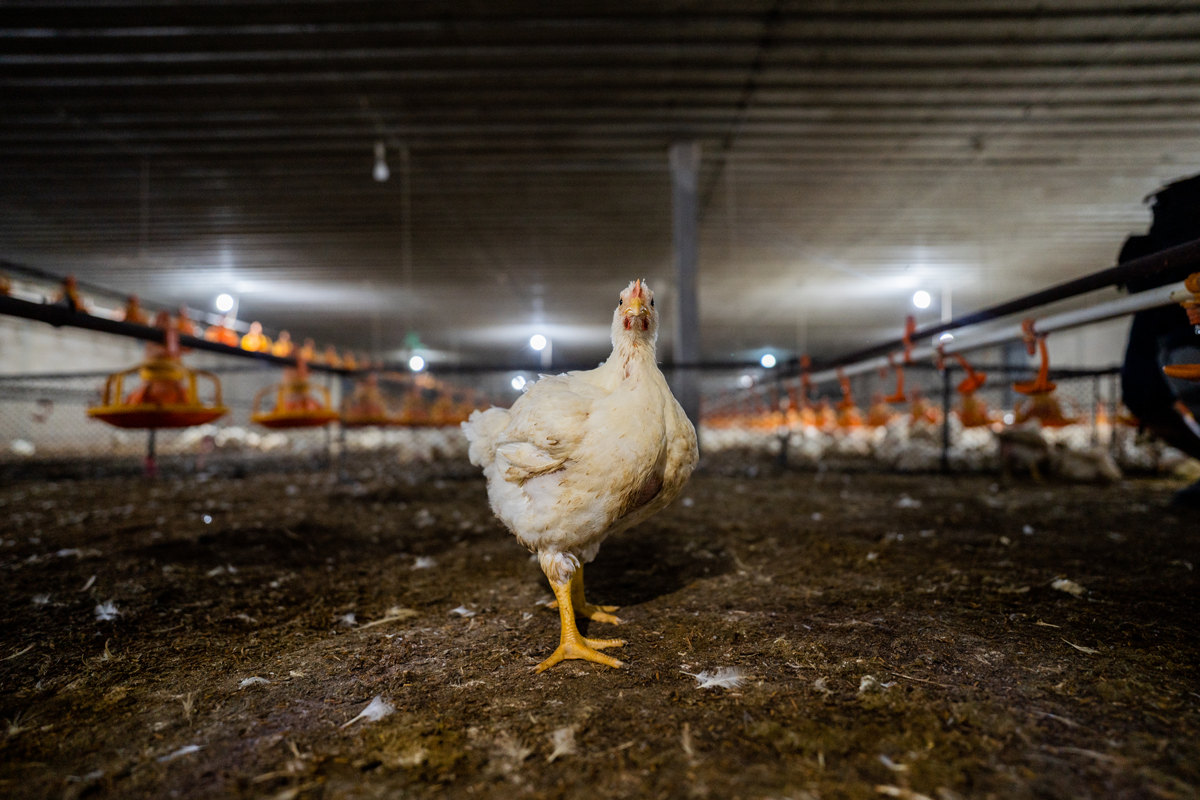
Europe's largest fast-food and restaurant companies are at risk of failing their chicken welfare commitments, according to The Pecking Order 2025, led by World Animal Protection. With the 2026 European Chicken Commitment deadline approaching, the findings show most companies are still not delivering meaningful improvements for chickens raised for fast food.
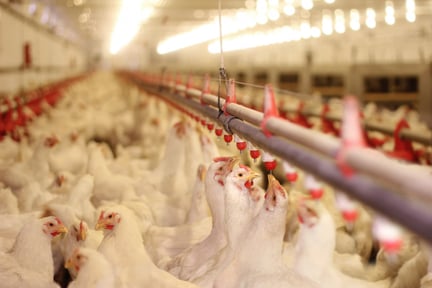
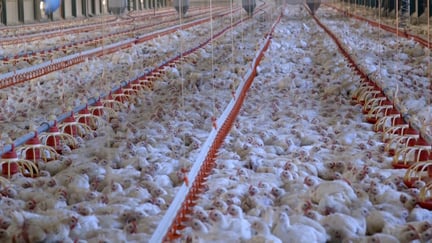
Chickens raised for fast food are the most intensively farmed land animals in Europe. Bred to grow unnaturally fast, many suffer from chronic pain, mobility problems and breathing difficulties. Most are kept in overcrowded, barren environments that restrict movement and prevent natural behaviours such as perching, foraging and dust-bathing.
We cannot allow the suffering of billions of sentient animals to continue. The time for action is long overdue. Action is needed now. And I really mean: now.
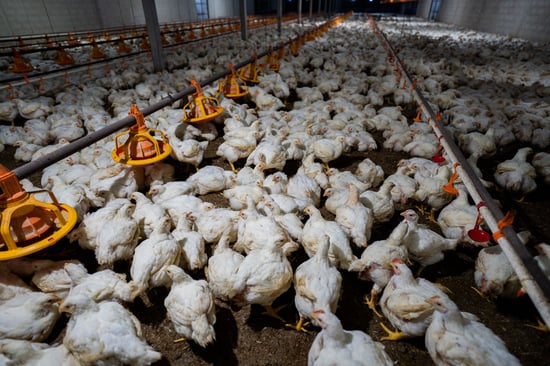
World Animal Protection's annual benchmark of Europe's biggest fast-food and food-service brands exposes a familiar pattern: while more companies are publicly committing to higher welfare standards, most are still failing to show real, measurable progress.
The benchmark was published in 2025, one year before companies are expected to meet their chicken welfare commitments. With the 2026 deadline for the European Chicken Commitment (ECC) approaching, transparency and urgent action have never been more critical.
For 2025, 27 brands were assessed across seven European markets, resulting in 81 individual evaluations. The benchmark examines company policies, transparency and evidence of implementation, rather than relying on commitments alone.
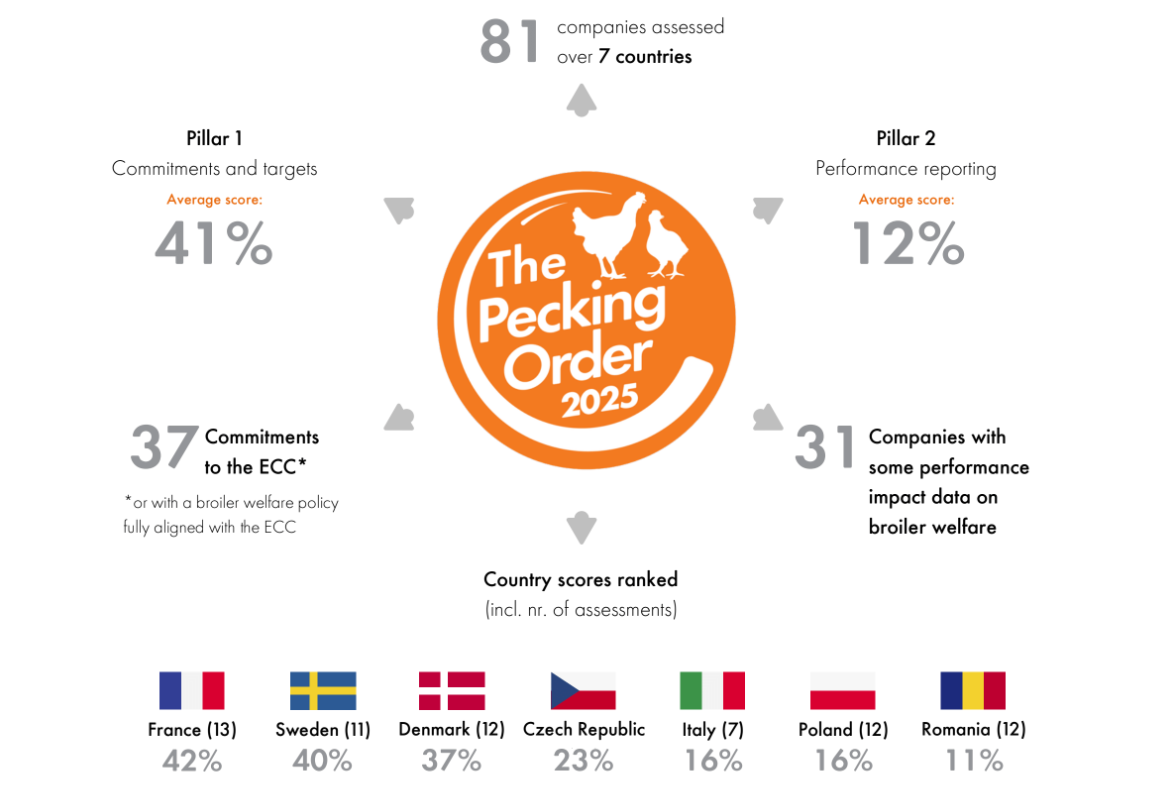
Figure 1. Summarised overview of The Pecking Order 2025 results.
Despite progress in a handful of frontrunners, most companies are not on track to meet their 2026 commitments, particularly on the most impactful element: transitioning to higher-welfare chicken breeds.
The most important step to improve chicken welfare is transitioning away from extremely fast-growing breeds to slower-growing, higher-welfare breeds. This requirement sits at the heart of the European Chicken Commitment, yet it remains the area where companies are making the least progress.
Slower-growing chickens are healthier, more mobile and better able to express natural behaviours. Conversely, providing enrichment to fast-growing breeds will have limited effect if the breed’s genetic predispositions remain unaddressed.
Without a shift in breeding practices, other welfare measures have limited impact.
With the 2026 European Chicken Commitment deadline approaching, The Pecking Order 2025 finds that voluntary corporate action has not delivered the scale or speed of change required.
"Fast-food chains are talking about animal welfare, but the reality for chickens tells a very different story," said Dirk Verdonk, Director of World Animal Protection Netherlands.
"Companies are presenting themselves as responsible while failing to show evidence of real improvements. Consumers are being misled, and chickens continue to suffer cruel practices like overcrowding, barren environments and waterbath stunning."
The European Commission is expected to propose reforms to EU farm animal welfare laws, marking the first major update in over a decade. World Animal Protection is calling for binding legislation grounded in the latest scientific evidence, including recommendations from the European Food Safety Authority.
Such legislation must address breeding practices, stocking density, living conditions and slaughter methods. While the European Chicken Commitment represents a minimum baseline for corporate action, legal standards must go further to reflect the biological and behavioural needs of chickens.
For chickens raised for fast food, 2026 is shaping up to be a decisive year.
The Pecking Order is an annual benchmark assessing Europe's largest fast-food and food-service companies against the European Chicken Commitment — a set of minimum standards designed to significantly improve the lives of broiler chickens.
For 2025:
The aim is simple: shine a light on corporate performance, empower consumers, and accelerate change for chickens.
Fast food chains with higher chicken welfare standards are those fully implementing the European Chicken Commitment. This includes using slower-growing breeds, providing more space, enrichment and natural light, and adopting more humane slaughter methods. The Pecking Order identifies which European brands are making measurable progress and which are falling behind.
High welfare chicken comes from farming systems that recognise chickens as sentient beings. It includes slower-growing breeds, lower stocking densities, enriched environments and slaughter methods designed to minimise pain and distress.
Many fast-food and restaurant companies have published chicken welfare policies aligned with the European Chicken Commitment. However, The Pecking Order shows that most companies are failing to demonstrate full implementation, particularly when it comes to transitioning away from fast-growing breeds.
Consumers can look for fast-food restaurants that publicly commit to the European Chicken Commitment, publish clear timelines, report transparently on progress and are independently assessed. Benchmarks like The Pecking Order help consumers identify which companies are backing up their claims with action.
Food systems
Factory farming is a global problem, that requires a global solution. A moratorium on factory farms is urgently needed to safeguard animals, our climate, health and the environment.

No future for factory farming
Find out how we work with the food industry to improve farm animal welfare and keep animals in an environment where they can benefit from a life worth living
Discover annual reports ranking fast-food companies on their chicken welfare policies and what they are doing to make improvements.