Protecting wildlife in travel & tourism
Wildlife
Would a real responsible traveller have captive wildlife entertainment on their wish list?
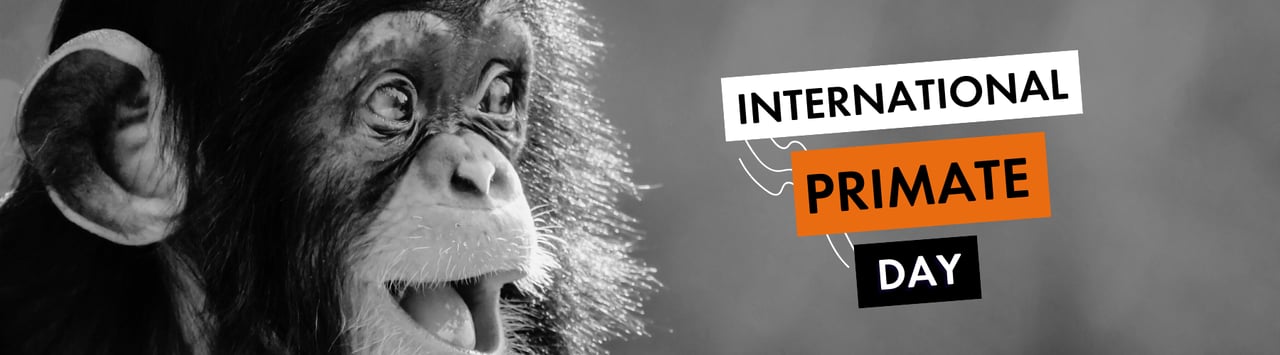
From giant gorillas to gentle orangutans, ring-tailed lemurs to noisy gibbons, primates are some of the most captivating animals on Earth — and our closest relatives in the animal kingdom.
Primates are highly sentient, intelligent, and social beings. They form tight family groups, play with and care for each other, and nurture their young devotedly. Some species even use tools to forage, explore, communicate, and protect themselves.
On International Primate Day, why not celebrate these incredible primate species by learning more about them, the threats they face, and what you can do to protect them?
A primate is any mammal that falls into a category of monkey, ape, lemur, loris, tarsier, or human. They are characterised by relatively large brains, forward-facing eyes, and grasping hands or feet.
International Primate Day (also known as World Primate Day) is celebrated on September 1st every year. It’s an opportunity to celebrate their unique characteristics and reflect on the plight of primates around the world. It’s also chance to highlight declining populations and the primate conservation efforts being made.
There are over 500 primate species. These include humans, gorillas, orangutans, chimpanzees, baboons, macaques, lemurs, and tarsiers.
The largest living primate species is the Eastern gorilla, specifically the Eastern lowland gorilla. Males can weigh up to 180 kg and reach 170 cm tall.
Primates are mammals. They are warm-blooded, have hair or fur, and feed their young with milk.
Primates face a variety of threats, and many species face extinction:
To protect primates, on Primate Day and beyond, you can:
Celebrate primate sentience. Learn about the complex social behaviours and intelligence of primates, sharing what you discover with others.
Celebrate primate conservation work. Discover what organisations are doing to protect primates around the world, like rescuing these dancing monkeys from a centre in Indonesia.
Support an end to the trade of primates. Lobby your leaders to end the global wildlife trade and protect primates from poaching and captive breeding.
Appreciate and respect wild animals where they belong. Don’t keep primates as exotic pets or visit animal attractions that don’t prioiritise animal welfare. Instead, if you want to see primates, seek out ethical and sustainable experiences.
Donate to World Animal Protection today to support our animal protection work.
Donate now
When you make a donation, you’ll join a passionate group of supporters who are determined to change the world for animals. We're fighting animal cruelty wherever we find it — are you with us?
Click to donateHumans are a species of primate within the great ape family. Like most other primates, we have large brains in relation to our body weight, flat nails, forward-facing eyes, and we can grasp with our hands. We share common ancestors with all primates, including chimpanzees, gorillas, and orangutans.
All monkeys are primates. But not all primates are monkeys. Other groups within the primate category include apes, tarsiers, lemurs, and humans.
Sloths are not primates. Like many primate species, they like to live in trees, but sloths are actually more closely related to anteaters and armadillos. Unlike primates, sloths have long, curved claws instead of fingers and toes.
Wildlife
Would a real responsible traveller have captive wildlife entertainment on their wish list?
Animal awareness days
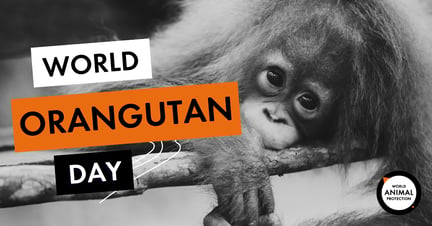
Held on August 19th, World Orangutan Day is the perfect time to learn more about these great apes, their lives in the wild, and the threats they face.
Wildlife
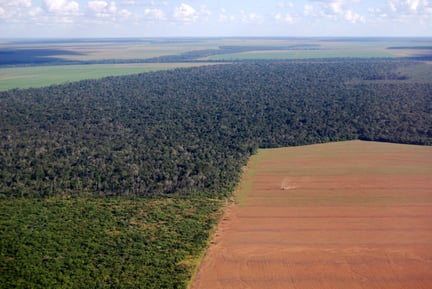
Discover the causes and impacts of habitat loss, explore real-world examples, and learn how to protect and restore vital wildlife habitats worldwide.
Blog
Discover 10 powerful facts about elephants, their intelligence, and emotional lives — and why their freedom is so...

News
A Chinese tourist site has halted a disturbing macaque execution performance after widespread public criticism and animal welfare...
News
A viral baby macaque named Punch in Japan draws attention to the emotional needs of captive primates and...
Press release
Slight increase in elephant numbers despite growing awareness - and a troubling shift toward “ethical-looking” but harmful tourist...