Responsible Travel Companies Pledged to Protection Wildlife
Travel & tourism
Discover travel companies around the world taking a pledge to become wildlife-friendly, refusing to promote and sell tickets for cruel animal attractions.

Celebrate International Wolf Day with us! Learn about these misunderstood canines — and find out what you can do to protect wolves.
International Wolf Day was created to raise awareness and challenge misconceptions about wolves. It encourages the appreciation of these canines, highlights why wolves are important to their ecosystems, and explores what we can do to protect wolves around the world.
This important day also drives support for wolf conservation initiatives and a peaceful coexistence between wolves and humans.
International Wolf Day is celebrated on August 13th each year. This global attention is important because wolves are threatened by habitat loss and conflict with humans.
Wolves play a crucial role as apex predators, helping to maintain balance within their ecosystems by controlling prey populations — and they are equally remarkable for their sentience. They’re emotional, intelligent, and social animals that live in packs, communicate with each other, and form lifelong bonds.
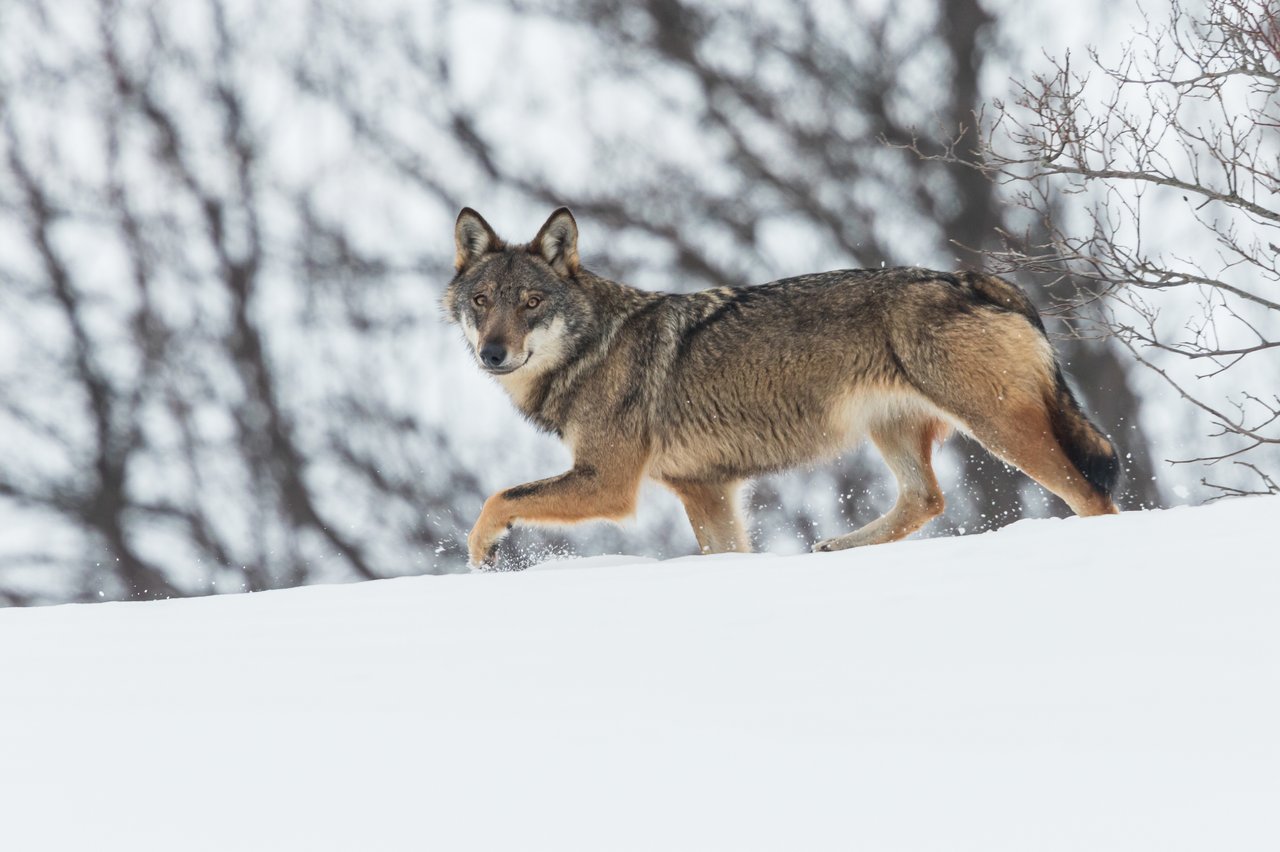
Unfortunately, the wolf faces a number of threats in the wild, making wolf conservation more important than ever:
You don’t have to wait for International Wolf Day to take action. There are plenty of ways to protect wolves and their habitats all year round.
Want to celebrate International Wolf Day? Take a look at these ways to get involved and help protect wolves:
Donate now
When you make a donation, you’ll join a passionate group of supporters who are determined to change the world for animals. We're fighting animal cruelty wherever we find it — are you with us?
Click to donateThere are no wild wolves in the UK. They were hunted to extinction hundreds of years ago, and there are no plans to reintroduce them into the country.
Wolves like to eat large, hooved herbivores (also known as ungulates), such as deer, moose, and elk. They also eat smaller animals, like hares and rodents.
Wolves are very adaptable and can live in woodland, mountains, plains, and scrubland. Today, wolves are most often found in remote wilderness throughout the Northern Hemisphere, with populations in North America, Europe, and Asia.
Male wolves are around 2 metres long (tail included), stand at around 76 centimetres tall at the shoulder, and weigh around 45 kilograms, though their size and weight can vary depending on where they live. Females are a little smaller.
As their habitats shrink, wolves may come into closer contact with humans and sometimes target livestock when natural prey is scarce. It is vital to consider the impact of habitat loss for peaceful coexistence with wild animals like wolves.
Wolves can live up to 13 years in the wild, but many don’t reach this age. In most areas of the world, humans are the leading cause of wolf deaths.

Travel & tourism
Discover travel companies around the world taking a pledge to become wildlife-friendly, refusing to promote and sell tickets for cruel animal attractions.
Animal Awareness Days
Join us for International Jaguar Day on November 29th, find out our top jaguar facts, what threats they face, and how you can help protect them.
Wildlife
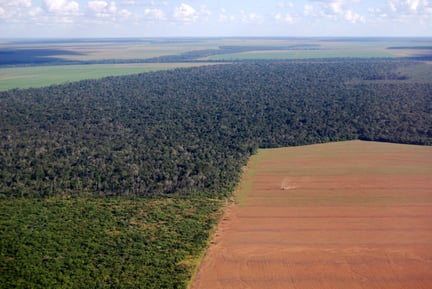
Discover the causes and impacts of habitat loss, explore real-world examples, and learn how to protect and restore vital wildlife habitats worldwide.
Blog
Discover 10 powerful facts about elephants, their intelligence, and emotional lives — and why their freedom is so...

News
A Chinese tourist site has halted a disturbing macaque execution performance after widespread public criticism and animal welfare...

News
A viral baby macaque named Punch in Japan draws attention to the emotional needs of captive primates and...

Press release
Slight increase in elephant numbers despite growing awareness - and a troubling shift toward “ethical-looking” but harmful tourist...