Responsible Travel Companies Pledged to Protection Wildlife
Travel & tourism
Discover travel companies around the world taking a pledge to become wildlife-friendly, refusing to promote and sell tickets for cruel animal attractions.
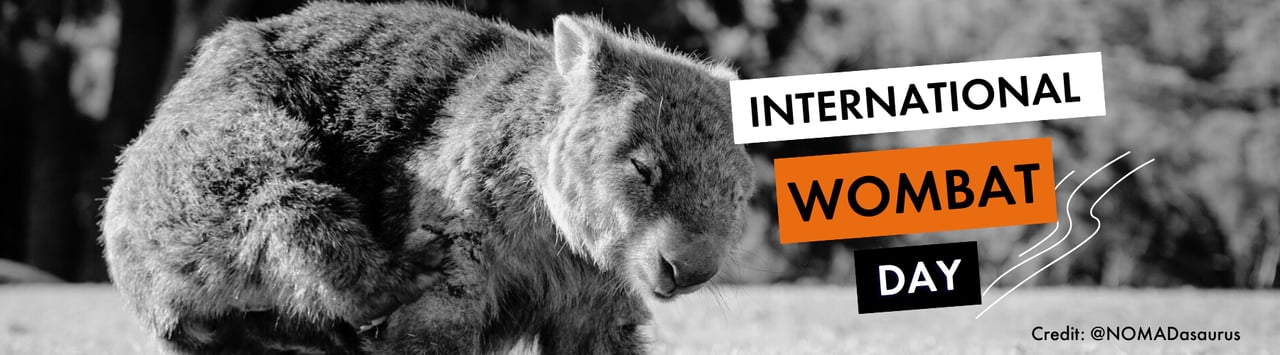
On International Wombat Day (October 22nd each year), we come together to celebrate one of Australia’s most distinctive wild animals. Curious, intelligent, and full of character, wombats are far more than their sturdy appearance suggests.
They are complex beings who form strong bonds with their young, learn from their environment, and play a vital role in the ecosystems they call home. International Wombat Day is our opportunity to honour these remarkable animals and stand alongside them.
We will be celebrating a happy wombat day on October 22nd, which falls on a Thursday in 2026.
This global celebration is a form of awareness, to shine a light on wombats and the challenges they face. It provides the perfect moment to reflect on their plight — and to turn that reflection into meaningful action to protect them from threats for generations to come.
Wombats are burrowing marsupials native to Australia. With thick claws and sturdy bodies, they are expert diggers, creating complex tunnel systems that can stretch underground for several metres. These burrows don’t just shelter wombats. They can also provide refuge for other animals during extreme weather and bushfires.
There are three species of wombat, including the common wombat and two species of hairy-nosed wombat. Each plays a unique role in maintaining healthy landscapes.
Despite their stocky build, wombats are not aggressive animals. In the wild, they are generally shy and prefer to avoid humans. Like any wild animal, they may defend themselves if threatened, particularly if cornered.
The best way to keep both people and wombats safe is to respect their space and observe them from a distance.
Wombats are found in forests, grasslands, and mountainous areas across parts of Australia. They thrive in environments where they can dig extensive burrow systems and find plenty of grasses and roots to eat. However, these habitats are increasingly under pressure.
Like most living species on earth, wombats face growing threats. Habitat loss caused by land clearing, infrastructure development, and agriculture is shrinking the spaces they depend on for survival.
As their habitats become fragmented, wombats are forced to travel further for food and shelter, increasing the risk of injury and conflict.
Climate change is intensifying these pressures. Rising temperatures, droughts, and increasingly frequent extreme weather events reduce food availability and damage fragile ecosystems.
When habitats are degraded, wombats struggle to survive.
Because wombats rely entirely on healthy ecosystems, a stable climate, and responsible land use, the policies we set have a huge impact on whether they survive. If we really want to protect wombats, we need broader, systemic change. That means committing to a just transition — a shift towards sustainable, low-carbon economies that protect both people and animals. We need to move away from fossil fuels and practices that destroy our environment, and instead, create systems that safeguard wildlife and communities.
International Wombat Day is more than a celebration. It is a call to action. Here’s how you can stand with wombats:
Every action matters. When we work together, our voices are stronger, and our impact is greater. Donate today and join us in creating lasting change for wombats and wildlife everywhere.
Donate now
When you make a donation, you’ll join a passionate group of supporters who are determined to change the world for animals. We're fighting animal cruelty wherever we find it — are you with us?
Click to donateWombats are herbivores. They mainly eat grasses, roots, herbs, and the occasional mushroom, using their strong teeth to grind tough plant material.
Wombats are famous for producing small, cube-shaped droppings — up to 100 per night!
Scientists believe the unique shape helps prevent the droppings from rolling away, allowing wombats to mark their territory more effectively.
The conservation status varies by species. The northern hairy-nosed wombat is critically endangered due to habitat loss and other threats. There are only around 400 left in the wild.
Wombats are marsupials. They carry and nurse their young in a pouch until they are ready to explore the world independently.
Travel & tourism
Discover travel companies around the world taking a pledge to become wildlife-friendly, refusing to promote and sell tickets for cruel animal attractions.
Wildlife
Would a real responsible traveller have captive wildlife entertainment on their wish list?
Wildlife
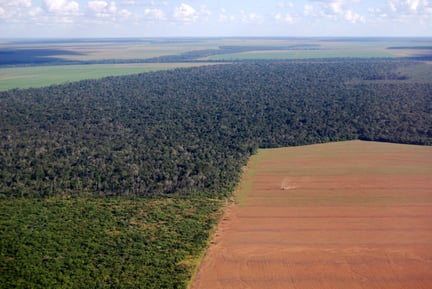
Discover the causes and impacts of habitat loss, explore real-world examples, and learn how to protect and restore vital wildlife habitats worldwide.
Blog
Discover 10 powerful facts about elephants, their intelligence, and emotional lives — and why their freedom is so...
News
A Chinese tourist site has halted a disturbing macaque execution performance after widespread public criticism and animal welfare...
News
A viral baby macaque named Punch in Japan draws attention to the emotional needs of captive primates and...
Press release
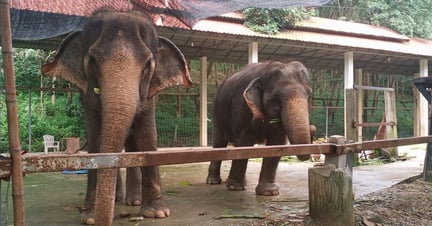
Slight increase in elephant numbers despite growing awareness - and a troubling shift toward “ethical-looking” but harmful tourist...