World Orangutan Day
Animal awareness days
Held on August 19th, World Orangutan Day is the perfect time to learn more about these great apes, their lives in the wild, and the threats they face.
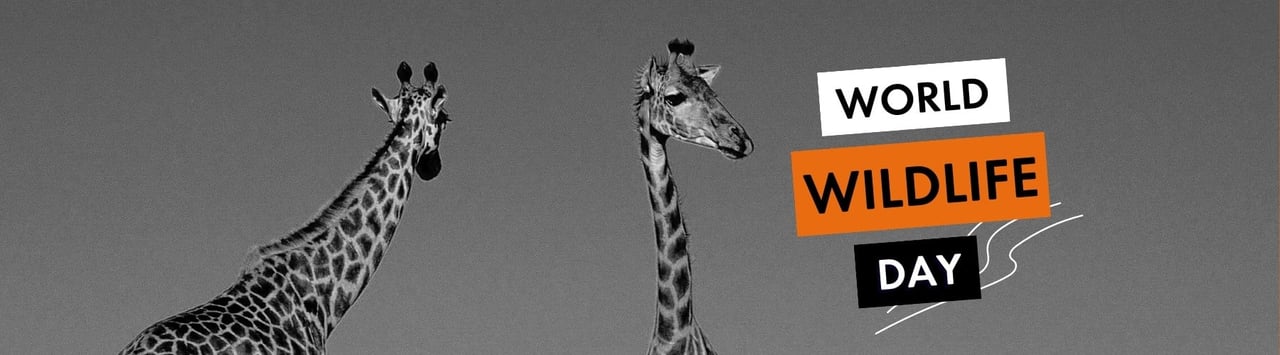
Animal Awareness Days
World Wildlife Day is on March 3rd and people around the world will be celebrating the natural world and its inhabitants.
Read on to find out more about the day, why it exists, and how you can take part in celebrating.
The World Wildlife Day theme changes every year. In 2026, the theme is Medicinal and Aromatic Plants: Conserving Health, Heritage and Livelihoods.
This new biodiversity protection campaign highlights that medicinal and aromatic plants (MAPs) are essential for human health and well-being, and ecological balance. In fact, as many as 70,000 species are harvested for their healing properties, cultural significance, and economic value.
However, despite their importance, MAPs are increasingly at risk from habitat loss, overharvesting, and illegal trade, with 1,300 of these species listed as endangered.
The wildlife preservation campaign aims to strengthen regulations and ensure the sustainability of harvesting and trade, so these invaluable plant resources can continue to thrive in the wild.
World Wildlife Day is celebrated annually on March 3rd.
The date of March 3rd was chosen as it is the date CITES was founded. CITES (the Convention on International Trade in Endangered Species of Wild Fauna and Flora) began in 1973, and this year will be the 50th year of the organisation operating.
But what were the UN World Wildlife Day themes in previous years? Here’s a summary:
Every World Wildlife Day is a chance to draw global attention to endangered species. The 2026 theme highlights the many vital plants that are at risk of extinction — and the urgent need for biodiversity protection.
But we should also use this moment to promote broader wildlife conservation awareness.
Just like plants, many animal species are currently endangered and face serious threats from human activity: Pangolins are trafficked for their scales and bush meat, big cats are used in traditional Asian medicine, and factory farming is contributing to climate change and habitat loss, putting animals at further risk of extinction.
This is why habitat conservation and wildlife preservation are essential. By protecting wild animals, we protect the ecosystems that we, along with all wildlife and plants, rely on.
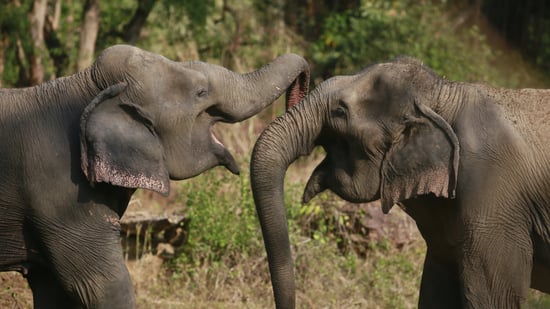
Most captive animals have either been taken from their natural home in the wild, or bred in captivity, having never known real freedom. There are hundreds of thousands of animals currently being held in captivity, in unnatural environments, and forced to perform for tourists.
These animals range from many species, from tigers and elephants performing tricks to donkeys and camels being used as transportation. Venues can range from amusement parks to mobile zoos, and deceptive marketing can create the illusion of sustainability and ethical values. However, the reality is far from kind.
Harsh training methods are used to get animals to behave in certain ways. The animals are disciplined until the ‘correct’ behaviour is implemented.
However, by sharing information and raising awareness, more people are being made aware of the suffering captive animals endure for ticket sales. Together, we can end the commercial exploitation of wildlife.
Join our fight against the exploitation and commodification of wild animals.
When you make a donation, you’ll join a passionate group of supporters who are determined to change the world for animals. We're fighting animal cruelty wherever we find it — are you with us?
DonateThis World Wildlife Day, make sure you do your best to support wild animals and their natural environments.
Attending animal shows on holiday may seem supportive, but the reality doesn’t reveal the suffering they face. Harsh training methods, repetitive performances, and unnatural living environments keep thousands of animals in an endless cycle of suffering.
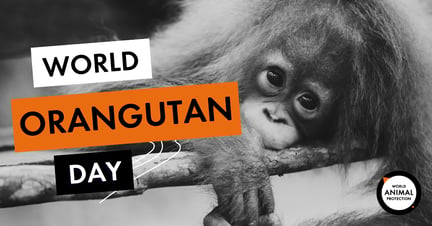
Animal awareness days
Held on August 19th, World Orangutan Day is the perfect time to learn more about these great apes, their lives in the wild, and the threats they face.
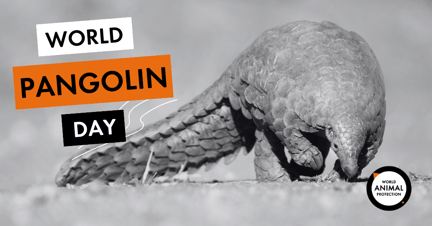
Animal Awareness Days
World Pangolin Day is observed on the third Saturday of February every year to celebrate pangolins and their contribution to the planet's ecosystem.
Animal Awareness Days
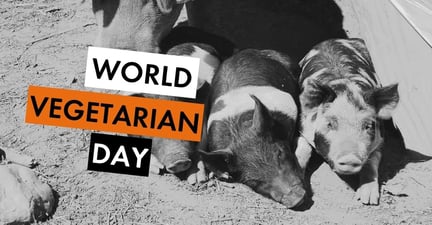
World Vegetarian Day is observed worldwide on October 1st, find out how you can raise awareness for animal welfare by promoting a meat-free lifestyle.
Blog
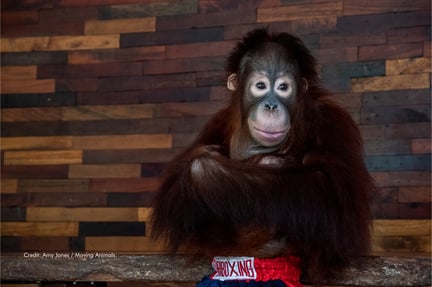
Orangutans are being taken from the wild for the illegal pet trade. Learn how it happens, what happens...
Blog
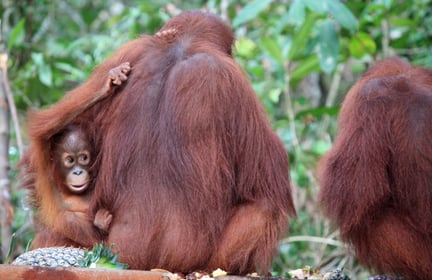
Discover the world of female orangutans, from lifelong mother-infant bonds to the family dynamics that shape every generation...
Blog
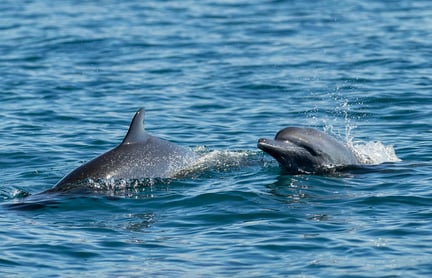
Discover different types of dolphins, from bottlenose dolphins to pink river dolphins. Learn about their traits, habitats, threats,...
Blog
Through the Investing in Others programme, World Animal Protection proudly supports Patom Organic Living and the farmers behind...