Whale Heritage Areas
Heritage Sites
World Animal Protection in partnership with World Cetacean Alliance recognise outstanding destinations for responsible wild whale and dolphin watching
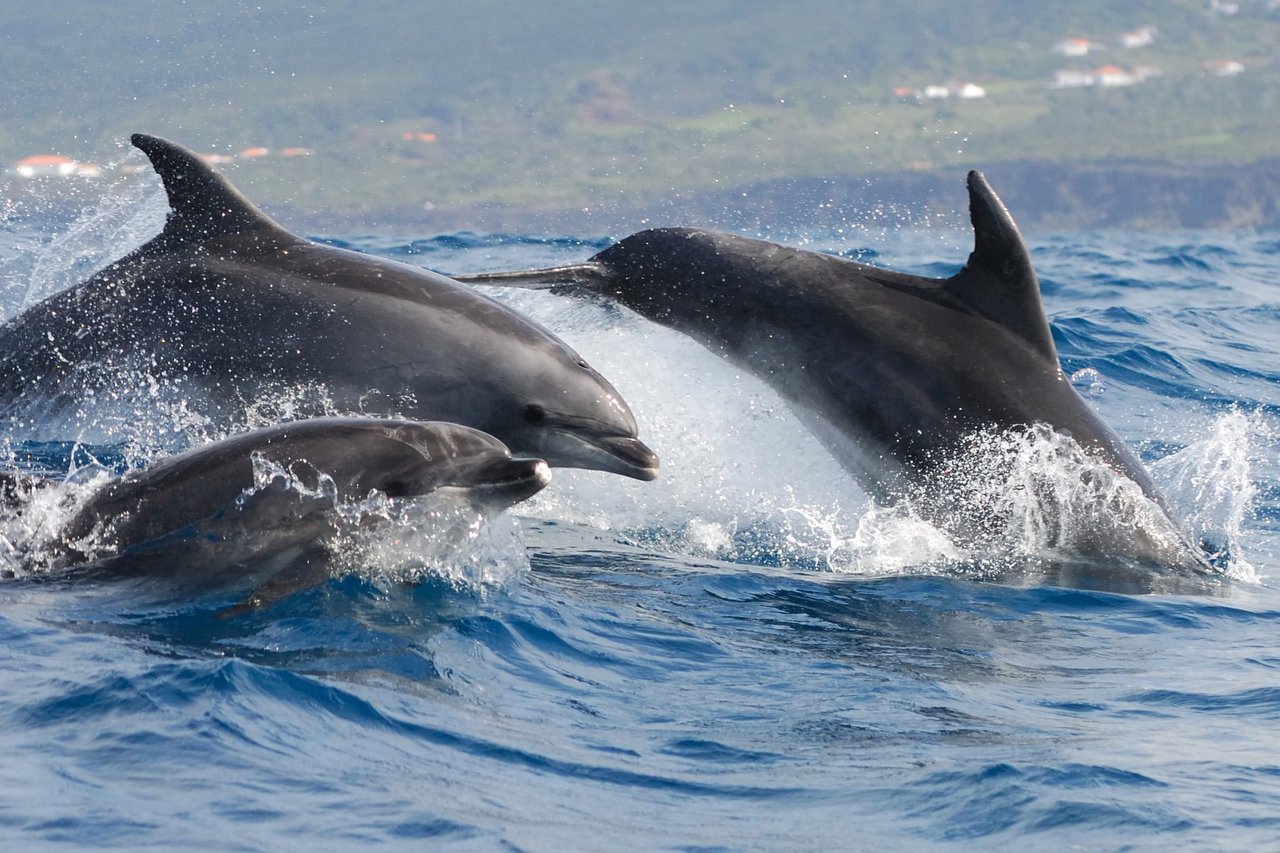
Sea sanctuaries offer a more humane alternative to exploitative facilities: protected ocean environments where dolphins and other marine mammals previously kept in captivity can live in natural seawater habitats and continue to receive professional care.
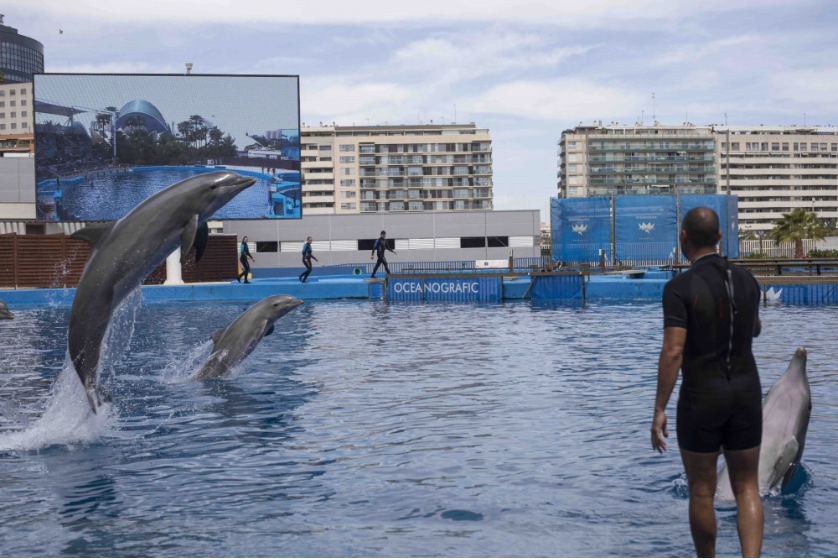
For decades, marine mammals such as dolphins have been kept in tanks for entertainment in marine parks and aquariums.
Many spend their lives performing tricks, interacting with tourists, or living in artificial environments that cannot replicate the vast ocean they belong to.
But a different future is possible.
Sea sanctuaries prioritise animal welfare, recovery, and natural behaviour rather than entertainment.
A sea sanctuary is a protected marine environment designed to care for marine mammals that have previously lived in captivity. Unlike marine parks or dolphinariums, sanctuaries do not host shows or entertainment programmes.
These sanctuaries use sea pens, which are enclosed sections of coastal ocean that allow animals to live in natural marine conditions while remaining protected and able to receive care.
While the ocean is the natural home for dolphins and other marine mammals, animals that have spent years in captivity often cannot safely be released directly into the wild.
Some may lack the skills needed to hunt independently, rely on humans for food, exhibit altered social behaviours, or live with health issues linked to captivity.
Sea sanctuaries provide a safe alternative, letting animals live in natural seawater environments while still receiving expert support.
Sea sanctuaries are typically in protected coastal areas where natural geography provides shelter from strong waves and harsh weather.
Within these areas, sea pens create safe marine habitats where animals can live in the ocean while remaining protected. These environments allow animals to swim in natural seawater, experience ocean currents and tides, dive more naturally, and explore more complex environments than those in concrete tanks.
Multiple sea pens may even be connected, letting animals move between areas and enabling caregivers to manage social groupings or provide medical care when needed.
Sea sanctuaries offer an alternative model that focuses on improving the welfare of animals who have already spent years in captivity.
One sea sanctuary project currently under development is located on the Greek island of Lipsi.
The Aegean Marine Life Sanctuary (AMLS) is being developed by the Archipelagos Institute of Marine Conservation with support from World Animal Protection, which has supported the project since 2018.
Huge steps have been taken in acquiring the site, creating facilities, and establishing the Scientific and Expert Advisory Board, composed of specialists in cetacean welfare, sanctuary standards and design, marine mammal veterinary care, cetacean transportation, and sea-pen habitat management.
During the initial phase, the sanctuary is expected to accommodate six to eight dolphins, depending on their social compatibility. Additional nearby bays may allow the sanctuary to expand in the future.
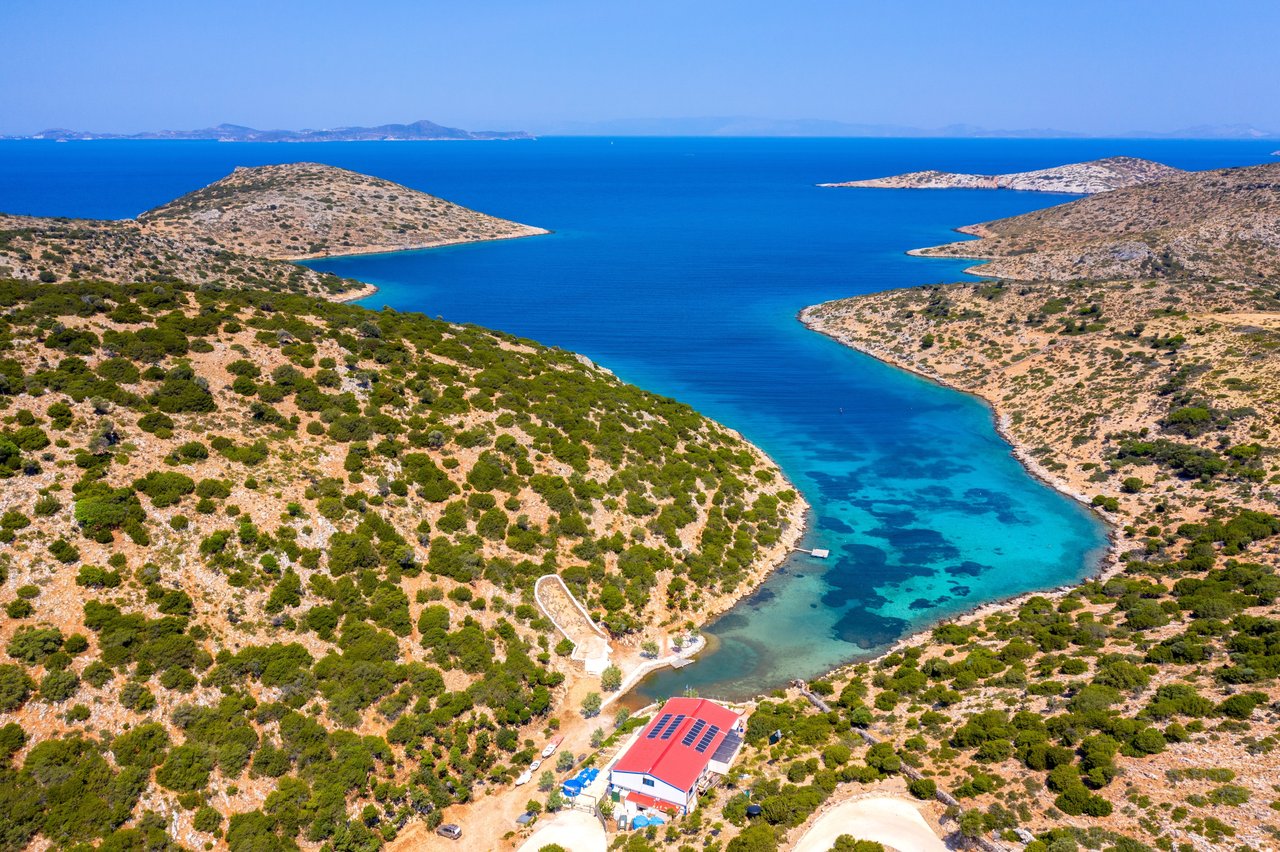
The Lipsi site offers natural characteristics that make it suitable for a marine sanctuary. The bay is sheltered by surrounding cliffs and landscape, provides calm marine conditions, has minimal construction, noise, or industrial activity, and offers a protected environment for sea pens.
Marine biology students in the area have contributed to improving habitat conditions by planting seagrass and supporting marine biodiversity.
Although significant progress has been made, the sanctuary still needs final permits from the Greek government before it can open and receive animals.
These permits have been pending for a long time due to the dolphin industry lobby influencing decision-makers to delay the process.
Once approvals are granted and development is completed, the sanctuary could provide a new option for dolphins currently living in entertainment venues.
Across the world, many dolphins and other marine mammals remain in captivity in marine parks and aquariums.
Sea sanctuaries cannot provide homes for all these animals immediately. However, they offer an important alternative model for their care.
Operational sanctuaries could help demonstrate that animals retired from entertainment venues can live in protected marine environments rather than being transferred between facilities.
Over time, this approach could help broaden the adoption of humane sanctuary solutions for marine mammals.
Heritage Sites
World Animal Protection in partnership with World Cetacean Alliance recognise outstanding destinations for responsible wild whale and dolphin watching
Wildlife
Take action with World Animal Protection to disrupt industries exploiting animals & work on innovative solutions to safeguard wild animals from cruelty.

Sign up to hear about the work World Animal Protection is doing to end animal cruelty, and learn what vital actions you can take to protect animals
Sea sanctuaries are designed primarily for cetaceans, including dolphins, whales and porpoises, who have previously lived in captivity.
Sanctuaries vary by location, but they typically provide significantly larger and more complex environments than traditional tanks by using sections of the coastal ocean.
Yes. Sea sanctuaries are carefully designed to balance freedom and protection, allowing animals to live in natural conditions while still receiving veterinary care and monitoring.
Sea pens allow animals to live in the ocean while remaining protected and able to receive care. They also allow caregivers to manage social dynamics and provide medical treatment when necessary.
During the first phase of development, the sanctuary is expected to accommodate six to eight dolphins, depending on their social compatibility.