More and more travellers seek unforgettable wildlife experiences — but traditional tourism often puts the very animals we admire at risk. Captive elephants, in particular, face daily threats from harmful interactions, overcrowded attractions, and exploitative practices that compromise elephant welfare. Here, we shine a light on elephant cruelty in tourism and explore alternative ethical elephant experiences that allow you to see these majestic animals while respecting their natural behaviours. Here’s how to say yes to ethical wildlife tourism.
Why elephant tourism can be harmful
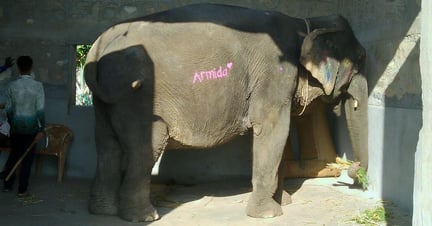
Nearly 75% of captive elephants are used for tourist entertainment in Asia, and it’s detrimental to elephant welfare.
- Elephants are being cruelly taken from the wild or bred in captivity: Torn from their mothers as babies, many elephants are taken from the wild. Others are bred in captivity on wildlife farms, where they’re seen solely in terms of profit with no thought of elephant welfare.
- They’re forced into submission: Elephants are subjected to repeated physical and psychological trauma to make them perform unnatural and painful activities, like giving rides or walking on their hind legs. Trainers use tools such as metal bull hooks, wooden battens, and whips, which cause painful wounds and scarring, as well as chaining and physical punishment to beat them into submission.
- They endure poor living conditions: Our research into elephant cruelty in tourism shows that 63% of captive elephants are living in severely inadequate conditions. They eat poor diets, receive limited medical care, and are restrained by short chains in noisy and dirty conditions, often in isolation. This causes great physical harm.
- Elephants experience significant suffering: Elephants are sentient and social beings that belong in the wild. Research shows that elephants can develop symptoms similar to PTSD following traumatic events such as capture, separation, and witnessing violence.
- Elephants pose a risk to humans: Ethical wildlife tourism isn’t just about protecting animals, but the humans that interact with them, too. While elephants aren’t inherently dangerous, the stress of captivity can cause them to behave unpredictably and make interactions unsafe for tourists and staff.
Ethical alternatives to elephant tourism
Luckily, if you’re travelling to Asia or Africa, you don’t have to give up seeing these beautiful animals. You just need to find humane elephant experiences where elephant welfare is the top priority.
Here are a few examples of ethical wildlife tourism that allow you to see these majestic animals responsibly.
Visiting elephant sanctuaries for a genuine experience
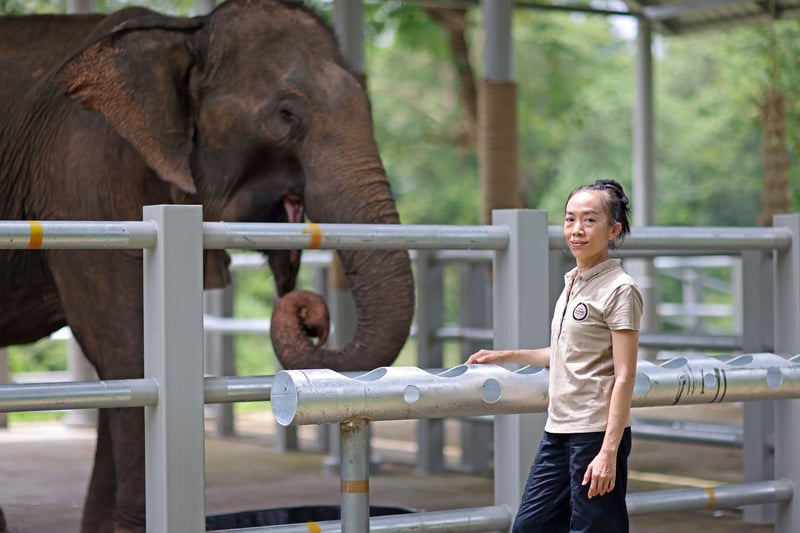
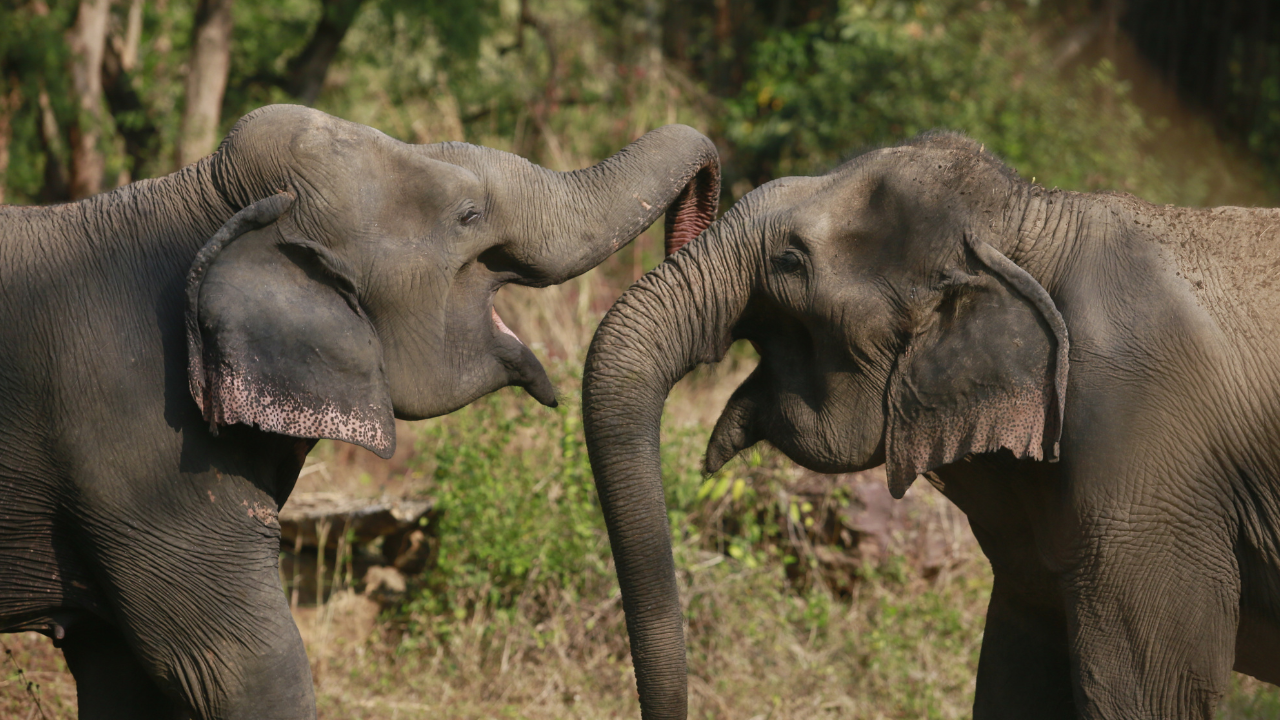
An example of an ethical elephant experience is an elephant sanctuary visit. Here, you can see elephants that have been rescued and are being rehabilitated, before (wherever possible) being released back into the wild.
However, you need to be aware that some tourist venues market themselves as “sanctuaries” or “rescue centres” when they’re actually exploiting the wild animals within their care. So how do you spot a genuine elephant sanctuary?
Here are a few things to look out for:
- The safety of elephants and people should be put first, with substantial safety barriers in place.
- There should be no riding on elephants, and tourists shouldn’t be allowed to touch the elephants.
- Activities such as posing for photos, bathing with, walking with, or feeding the elephants are all red flags.
- The elephants in the sanctuary should also be able to behave naturally, with space to roam, graze, and socialise.
- Find a sanctuary that ticks all of these boxes, and you can be confident that you’re engaging with responsible elephant tourism and not contributing to the exploitation of these magnificent mammals.
- Here are some elephant-friendly travel companies and venues that we know are doing the right thing for elephants.
You can make a difference for vulnerable animals
Donate now
When you make a donation, you’ll join a passionate group of supporters who are determined to change the world for animals. We're fighting animal cruelty wherever we find it — are you with us?
Click to donateObserving elephants in the wild: Responsible wildlife tours
Another form of sustainable elephant tourism involves seeing elephants in the wild.
When finding a responsible wildlife tour, look for travel companies that have committed to being wildlife-friendly. These companies prioritise elephant welfare — rather than entertaining tourists — when planning their tours.
They support wild elephant observation on ethical safari tours — by boat, jeep, or on foot. You can stay in a tree house in the forest, looking out for elephants below. You can also join wildlife charities as a volunteer, taking trips to monitor elephant herds.
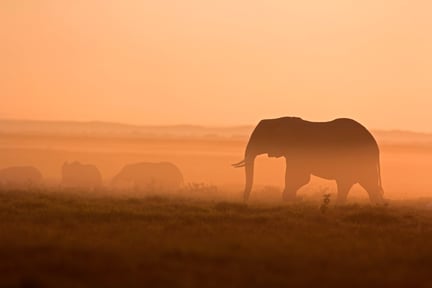
These tours allow you to see elephants roaming freely and exhibiting their natural behaviours. In our view, this is one of the most impactful ways travellers can support elephant conservation.
How you can support elephant conservation
Wondering what you can do to help elephants? Here are two ideas to get you started.
Donating to elephant protection programmes
Elephant conservation initiatives are helping elephants throughout Asia and Africa. Protection programs are striving to preserve elephant habitat, protect elephants from exploitation, and support peaceful human-elephant coexistence.
Want to support elephant protection programs? Donate to World Animal Protection today.
As part of our work, we’re raising awareness of the cruel practices involved in elephant tourism. We’re calling out the travel companies that are failing elephants and other wildlife. We’re also lobbying governments to provide better elephant protection.
Raising awareness about ethical elephant tourism
Many travellers are still unaware that elephant tourism can be harmful. They may book onto elephant experiences because they don’t know how cruelly elephants are treated or that exploitative tourist operators sometimes pose as elephant sanctuaries.
You can help raise awareness — and direct people towards elephant-friendly travel experiences — by sharing information on social media and through word of mouth.
Help protect elephants from cruelty in tourism
At World Animal Protection, we’re working to expose cruelty in elephant tourism, push travel companies to change harmful practices, and promote our list of Elephant-Friendly sanctuaries. Together, we can help create a future where seeing elephants never comes at their expense.
Donate or subscribe for updates to support our work protecting elephants and other wildlife.
Related content
World Wildlife Day
Animal Awareness Days
World Wildlife Day on March 3rd celebrates the natural world and its inhabitants. Join us in educating the world on why wildlife deserves a wild life.

Elephant friendly tourist guide
Find out how to be an elephant friendly tourist and discover venues worldwide adhering to the highest standards of truly ethical animal welfare. Read more.
Supporting Elephant Venues
Sanctuaries
Discover our work supporting elephant tourism venues to transform into genuine sanctuaries where elephants can be free, to just be elephants.