From overfishing to plastic pollution and ghost gear, ocean wildlife and marine ecosystems are facing unprecedented threats.
The threats facing marine wildlife today
Global marine wildlife populations have dropped by nearly half since 1970, and human activities are the leading cause of this decline. But with smarter marine conservation efforts and better everyday choices, we can help protect ocean wildlife before it’s too late.
Here, we reveal the threats to marine animals and how effective marine wildlife protection programmes can help secure their future.
Overfishing and its impact on ocean species
Over one-third of stocks are fished at biologically unsustainable levels, and this overfishing is having a catastrophic impact on marine wildlife and the habitats they call home.
Overfishing impacts include:
- Biodiversity loss: Overfishing disrupts the food chain and the balance of predators and prey. This is leading to a loss of biodiversity in marine ecosystems that further endangers ocean wildlife.
- Species endangerment: Many marine species, including the octopus, are threatened by overfishing. As their numbers decline, it becomes increasingly difficult for these threatened species to sustain healthy numbers without effective marine conservation efforts.
- Bycatch: Some marine animals, like whale sharks, are unintentionally caught as bycatch, which can cause injury and death and disrupt the balance of marine ecosystems.
- Coral reef damage: The traps, nets, and lines used in fishing damage coral reefs, on which more than 25% of all marine wildlife depend for survival.
Endangered wildlife species
Every World Wildlife Day is a chance to draw global attention to endangered species. The 2026 theme highlights the many vital plants that are at risk of extinction — and the urgent need for biodiversity protection.
But we should also use this moment to promote broader wildlife conservation awareness.
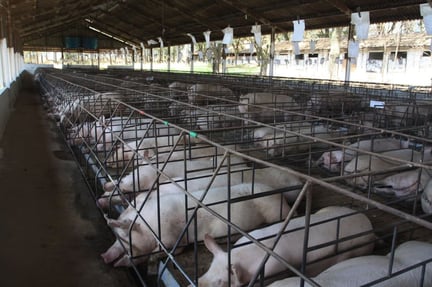
Just like plants, many animal species are currently endangered and face serious threats from human activity: Pangolins are trafficked for their scales and bush meat, big cat parts are used in traditional Asian medicine, and factory farming is contributing to climate change and habitat loss, putting animals at further risk of extinction.
This is why habitat conservation and wildlife preservation are essential. By protecting wild animals, we protect the ecosystems that we, along with all wildlife and plants, rely on.
The devastating effects of ocean pollution on marine life
Ocean pollution is another major threat to marine wildlife, causing physical harm and habitat degradation. Among these pollutants, abandoned nets, lines, and traps — known as ghost fishing gear — are considered the deadliest to marine animals.
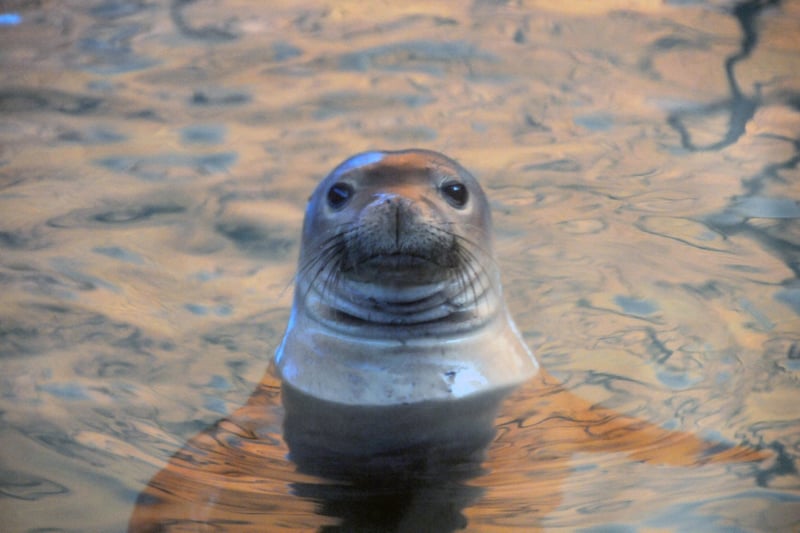
640,000 tonnes of this abandoned gear traps, injures, mutilates, and kills marine wildlife each year, including seals, sea lions, large whales, dolphins, turtles, and birds.
You can make a difference for vulnerable animals
Donate now
When you make a donation, you’ll join a passionate group of supporters who are determined to change the world for animals. We're fighting animal cruelty wherever we find it — are you with us?
Click to donateHow marine conservation can help protect ocean species
Marine conservation efforts are helping to protect ocean species across the world. Two key initiatives are Marine Protected Areas (MPAs) and plastic waste reduction. Let’s take a closer look at these programmes.
Creating Marine Protected Areas
Marine Protected Areas are like national parks for our seas and oceans. Globally recognised, they help degraded marine ecosystems recover by imposing laws to protect species and habitats. They also prohibit harmful human activities, like damaging fishing techniques.
Currently, there are more than 18,000 MPAs across the world, accounting for around 8% of the global ocean. However, there is more we need to do to ensure marine wildlife protection.
First, we need more MPAs and spaces where marine ecosystems and ocean wildlife can recover from decades of destructive human activity.
Second, we need stronger legislation within those MPAs. Today, only one-third of the world's 100 largest MPAs provide enough protection to yield meaningful conservation benefits. For example, industrial fishing and mining are still permitted in some Marine Protected Areas.
Reducing plastic waste in the oceans
Reducing ocean plastic pollution is another key marine conservation initiative. Here at World Animal Protection, we’re supporting efforts to remove ghost gear from our oceans:
-
Rescuing entangled marine animals: We’ve been providing marine animal rescue groups with resources, so they can conduct training and rescue as many entangled animals as possible.
-
Protecting entangled whales: We’re supporting the Whale Entanglement Response Network to build a global network of professionally trained and equipped entanglement responders. This is helping to free whales from ghost gear, reducing instances of injury and death.
-
Calling out seafood companies: Producers and distributors of seafood contribute to ocean pollution when they fail to implement clear ghost gear policies. By calling out these seafood companies, we encourage more responsible fishing practices.
What you can do to support marine wildlife protection
You can support marine conservation organisations — like World Animal Protection — by raising awareness of their work. Highlight threats to marine animals and the conservation programmes that are making a difference by sharing information on socials or just talking to friends and family.
Marine conservation organisations rely on donations. So, making a financial contribution to a campaign is another really effective way to support marine wildlife. Donate to World Animal Protection today, and you’ll support our work combating ghost gear and protecting marine animals.
Making sustainable seafood choices
The fishing industry is one of the biggest threats to marine animals. You can nudge companies within the supply chain to adopt environmentally-friendly practices — and support more sustainable oceans — by thinking carefully about the seafood you eat.
You can make sustainable seafood choices by:
- Avoiding species that are considered vulnerable. Where possible choose products marketed with a blue MSC label.
- Considering where your fish was caught. Google the fishery for details and choose locally-caught fish where possible.
- Eating more plant-based proteins. Opt for soy products, legumes, nuts, seeds, and whole grains as nutritious alternatives to fish and meat.
Take action to protect marine wildlife
From overfishing and ghost gear to plastic pollution, the threats facing marine wildlife are human-made, which means they’re also human-solvable. By staying informed, supporting campaigns that drive change, and considering the impact of seafood, you can help protect marine animals and the ecosystems they depend on.
Donate or subscribe for updates to support our work defending marine wildlife and our oceans.
Related content
Do Fish Have Feelings?
Blog
Discover the truth: Do fish have feelings? Explore insights and findings from World Animal Protection. Dive into the emotions of underwater creatures now!
Habitat Loss & Destruction
Wildlife
Discover the causes and impacts of habitat loss, explore real-world examples, and learn how to protect and restore vital wildlife habitats worldwide.
Whale Heritage Areas
Heritage Sites
World Animal Protection in partnership with World Cetacean Alliance recognise outstanding destinations for responsible wild whale and dolphin watching