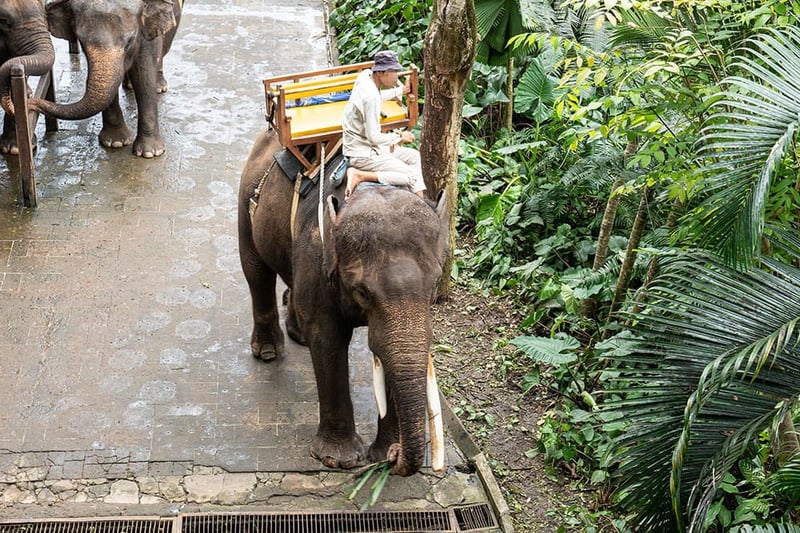
Bali Zoo has ended elephant riding, marking major progress for elephant welfare and responsible wildlife tourism in Indonesia.
Bali Zoo has announced it will no longer offer elephant riding to visitors, a move that reflects growing awareness that these activities cause real harm to elephants.
The decision follows similar action by TSI Bogor, TSI Prigen and A'Famosa, which also stopped elephant riding in 2024. These changes show that the tourism industry is beginning to move away from outdated and harmful practices.
This progress comes after years of research, advocacy and engagement by World Animal Protection, as well as increasing pressure from travellers who want to enjoy wildlife without causing suffering.
Why elephant riding harms elephants
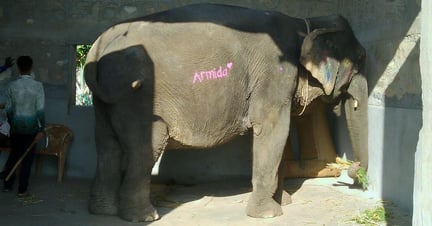
Elephant riding is widely recognised as one of the most harmful forms of wildlife tourism.
To make elephants accept close contact with people, many are subjected to harsh training methods that rely on fear and pain. In captivity, they are often kept in conditions that limit their ability to move freely, socialise and behave naturally.
Our investigations into wildlife tourism in Bali have repeatedly highlighted the suffering faced by elephants used for entertainment.
Tourism is starting to change
The move by Bali Zoo has been supported by the Southeast Asian Zoos and Aquariums Association, which has publicly opposed elephant riding.
In December 2025, the Bali Province Conservation and Natural Resources Agency also called on attractions to show greater respect for elephants and move away from riding activities.
As expectations change, venues that continue to offer elephant rides risk falling out of step with both community values and responsible tourism standards.
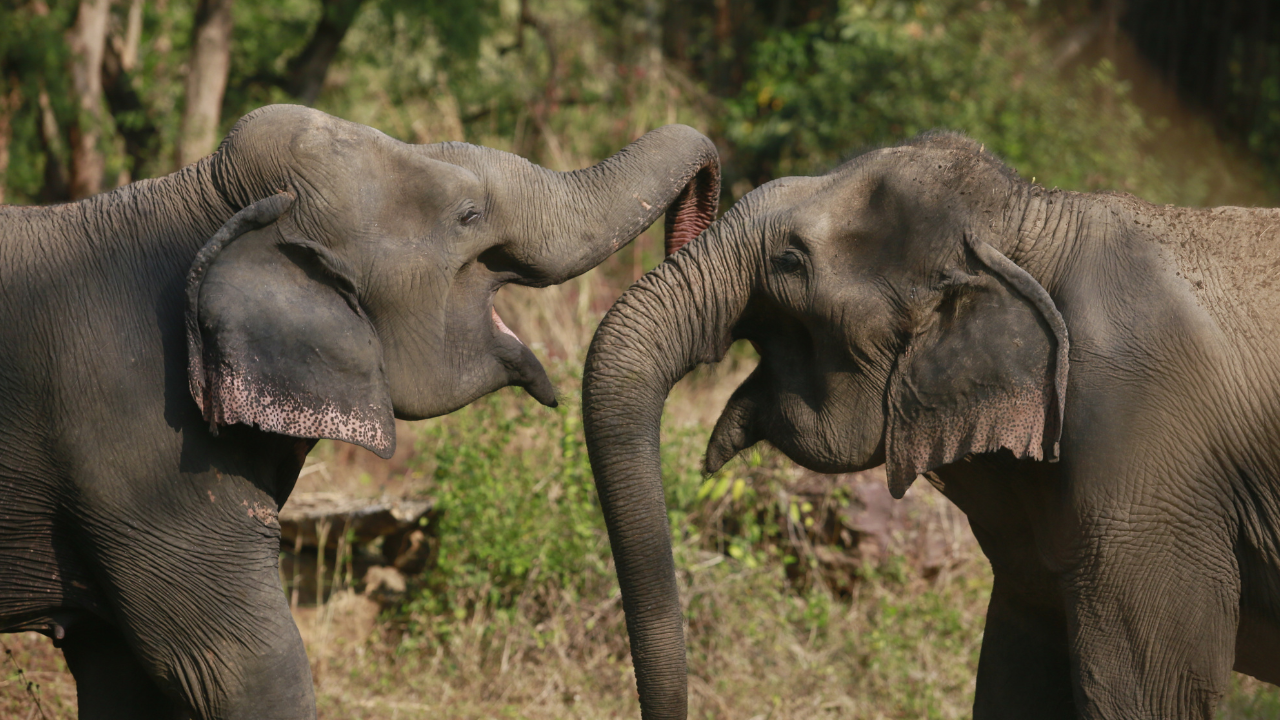
You can make a difference for vulnerable animals
Donate now
When you make a donation, you’ll join a passionate group of supporters who are determined to change the world for animals. We're fighting animal cruelty wherever we find it — are you with us?
Click to donateHow tourists can help protect elephants
Many travellers do not realise that what feels like a special holiday experience can mean a lifetime of suffering for an elephant.
Tourists can make a real difference by choosing responsible experiences that put animal welfare first.
We encourage visitors to:
- Avoid venues that offer elephant riding, bathing or performances
- Observe elephants from a safe distance in their natural environments
- Book with responsible travel companies that prioritise animal welfare
- Ask questions about how animals are treated before booking
Elephant riding is one of the cruellest captive animal entertainment offerings.
While this is a welcome step in the right direction, some venues within Bali, like Mason Elephant Park, are still offering elephant riding activities.
Progress, but elephants still need protection
While this is an important step, some venues in Bali are still offering elephant riding. While rides continue to operate, elephants will still suffer as a result.
We will continue to work with governments, the tourism industry and the public to help ensure elephants are no longer exploited for entertainment.
Together, we can make wildlife friendly tourism the norm.
Related content
Elephant friendly tourist guide
Find out how to be an elephant friendly tourist and discover venues worldwide adhering to the highest standards of truly ethical animal welfare. Read more.
Wildlife Heritage Areas
Heritage Sites
A global programme recognising responsible wildlife-watching destinations that incorporate high standards of animal welfare and biodiversity conservation

Can You See Bali Animals Ethically?
Blog
Before booking any Bali holiday packages where you meet native wildlife, read this guide on choosing ethical experiences that don’t harm Bali animals.