After child is attacked by lions at zoo in China, renewed scrutiny falls on captive wildlife tourism
News
A girl was injured by lions at a China zoo during a feeding session, exposing the serious risks of captive wildlife encounters and calling for safer tourism choices.
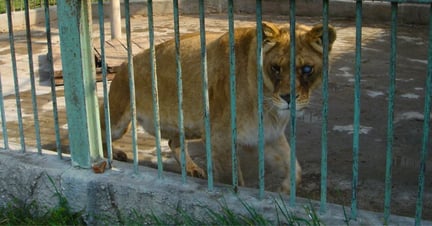
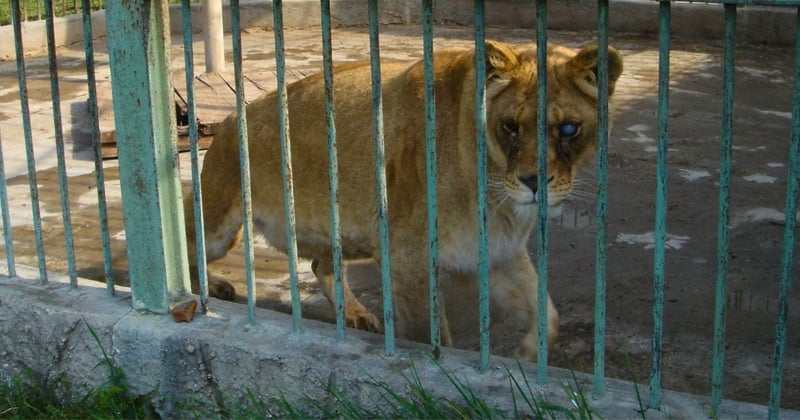
A ten year old girl in Guangdong province was injured after two lions grabbed her through the bars of their enclosure during a feeding session at Shantou Zhongshan Park Zoo.
Outlets report that the child had been taken into a restricted buffer zone where visitors were permitted to feed the animals, a practice already under scrutiny for its safety failures.
Footage of the incident shows the girl offering food when a lioness thrust out a paw, seized her trousers, and pulled her toward the cage.
A zookeeper held on to her while attempting to pry the animal’s grip away with a metal rod as another lion also reached through the bars. The struggle lasted around thirty seconds before she was freed.
She sustained minor abrasions to her leg and was taken to hospital for treatment, including a rabies vaccination, before being discharged the same evening.
The zoo has been temporarily closed while authorities review safety protocols and investigate management failures that allowed a child into a prohibited area.
The dangers of wildlife used for entertainment
Incidents like this are the outcome of keeping wild animals in captive settings where close contact with the public is actively promoted.
Lions are predators whose instinctive responses remain intact regardless of being held in captivity. Even interactions marketed as safe can turn dangerous.
Facilities that rely on feeding sessions and photo opportunities with wildlife create both welfare and safety hazards. Wild animals experience chronic stress in confined spaces, often without the ability to retreat from visitors. That stress increases the likelihood of unpredictable and harmful behaviour.
These same environments also expose visitors, including children, to risks that cannot ever be fully controlled.
Wild animals are not props for entertainment.
When wild animals such as lions are kept in captive environments and used to attract paying visitors, the risks to both people and animals increase significantly.
Close interactions compromise animal welfare and public safety. No child should be put at risk for the sake of a photo or a feeding experience.
We urge the public not to pay for experiences that involve handling, feeding, or close encounters with wild animals.
By choosing wildlife friendly tourism that prioritises observation in places that wildlife is well protected over close interactions, consumers can help reduce demand for exploitative practices and protect both animals and themselves.
You can make a difference for vulnerable animals
Donate now
When you make a donation, you’ll join a passionate group of supporters who are determined to change the world for animals. We're fighting animal cruelty wherever we find it — are you with us?
Click to donateWhy these encounters remain so dangerous
The incident reflects a universal industry model where commercial pressures outweigh welfare and safety.
Research consistently shows that captive lions and other big cats suffer from behavioural abnormalities linked to confinement, lack of natural stimulation, and forced human interaction. These factors can escalate the likelihood of aggression.
In many facilities across Asia and elsewhere, inadequate regulation creates further risks. Staff may be under pressure to allow interactions despite age limits or safety warnings, and animals may be conditioned to associate visitors with food. Each of these conditions increases the likelihood of sudden, harmful incidents like this one.
Choose wildlife friendly tourism
Tourists can make choices that can help push for progress in the tourism industry. By choosing hands-off, observational wildlife venues, it can create demand that will shift the tourism models away from exploitation, and towards more ethical experiences.
In contrast to feeding sessions or staged photo opportunities, responsible travel prioritises animal welfare, protects their habitats, and supports local communities.
Wild animals should always be treated with respect and dignity, not exploited as a commodity.
We encourage tourists to always research before booking holidays or trips, and wherever possible, support organisations that have prioritised animal welfare.
Related content
Discover the dark side of cruel lion tourism
Blog
Trends to walk with lions and to pet lion cubs causes a lifetime of suffering. Tourists are inadvertently helping to fund their ongoing torture.
Wildlife Heritage Areas
Heritage Sites
A global programme recognising responsible wildlife-watching destinations that incorporate high standards of animal welfare and biodiversity conservation
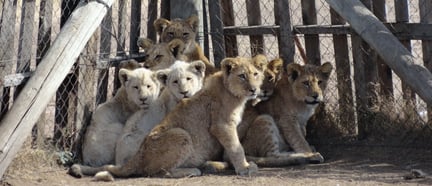
Commercial captive lion breeding
Travel & tourism
Lions are exploited for financial gain around the world; discover what World Animal Protection is doing to put a stop to the commercial breeding industry.