European Parliament delays Mercosur deal with court referral, offering advocacy space for animal welfare, One Health and deforestation action.
The European Parliament has voted to refer the EU Mercosur free trade agreement to the European Court of Justice for a legal opinion, delaying its ratification and reopening debate about the deal's environmental, animal welfare and public health impacts.
The vote, held on 21 January, passed by a narrow margin and requests the Court to assess whether the agreement is compatible with EU law.
While the decision does not cancel the deal, it is likely to delay final approval by months or even years.
It also reflects growing concern among lawmakers about the consequences of trade agreements that fail to safeguard animals, nature and people.
What the delay means for the trade agreement
The EU Mercosur agreement was concluded in principle after more than two decades of negotiations between the European Union and the South American bloc made up of Argentina, Brazil, Uruguay and Paraguay. It aims to remove tariffs on a wide range of goods, including agricultural products such as beef, poultry and animal feed.
Supporters argue the deal would strengthen geopolitical ties and create new economic opportunities. Critics warn it could increase imports from production systems that do not meet EU standards, particularly in farming, environmental protection and food safety.
By sending the agreement to the European Court of Justice, the Parliament has introduced a significant procedural pause. This creates a window for renewed scrutiny of how the deal aligns with the EU's commitments on sustainability and public expectations around ethical trade.
Why animal welfare and One Health matter
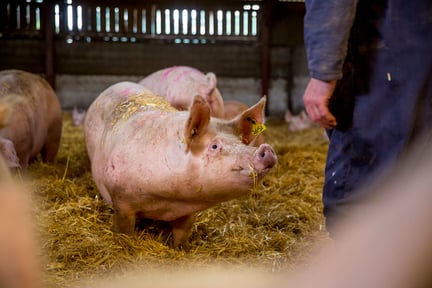
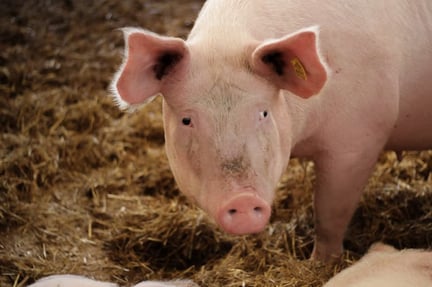
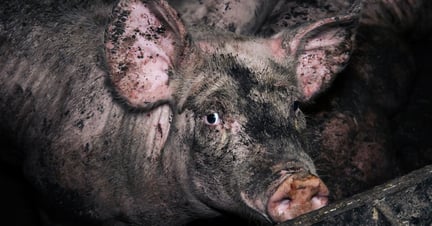
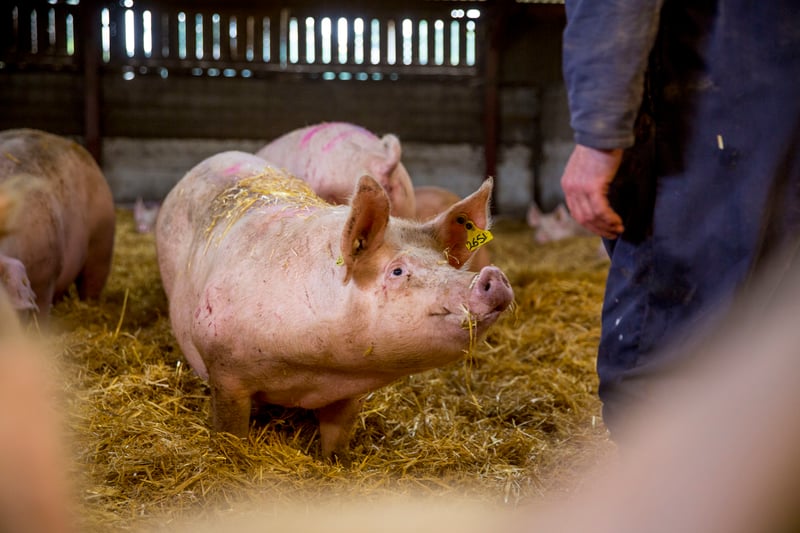
From an animal welfare perspective, this delay is significant. Increased access to EU markets for meat and animal products from Mercosur countries risks encouraging further expansion of intensive farming systems where animals often face overcrowding, confinement and painful practices.
These systems are not only harmful to animals. They also increase the risk of zoonotic diseases, which are illnesses that can spread from animals to humans. This makes the EU Mercosur deal a clear One Health issue, linking animal welfare, environmental protection and human health.
Deforestation is another major concern. Expansion of cattle ranching and soy production in Mercosur countries has been closely linked to forest loss and ecosystem destruction, particularly in sensitive regions such as the Amazon and Cerrado. Trade policies that stimulate demand without strong safeguards risk accelerating this damage.
You can make a difference for vulnerable animals
Donate now
When you make a donation, you’ll join a passionate group of supporters who are determined to change the world for animals. We're fighting animal cruelty wherever we find it — are you with us?
Click to donateOur position on the EU Mercosur deal
We have previously expressed concerns about the EU Mercosur agreement. In 2024, we warned that the deal, in its current form, could undermine animal welfare by increasing trade in products produced under lower standards than those required in the EU.
We believe trade agreements must include clear, enforceable animal welfare requirements, not voluntary or aspirational language.
We also advocate for a One Health approach to trade, recognising that poor animal welfare and environmental degradation create serious and preventable risks to global health.
This delay creates space to push for stronger protections, including:
- Mandatory animal welfare standards that match or exceed EU requirements for all imported animal products.
- Integration of One Health principles into trade policy to reduce the risk of future pandemics linked to intensive farming and wildlife loss.
- Robust measures to prevent the deforestation of habitats and biodiversity loss driven by agricultural expansion.
These priorities align with our wider work to end intensive farming, protect wildlife and transform food systems so they work for animals, people and the planet.
A critical moment for better trade outcomes
Although the European Commission has indicated that provisional implementation of parts of the agreement could still occur, the Parliament's decision strengthens democratic oversight.
It also gives civil society, scientists and animal welfare organisations the chance to demonstrate the impact this decision could have before the agreement is finalised.
For us, this moment reinforces the need to ensure trade agreements do not lock in harmful practices.
Instead, they must support a just transition to a future where animal welfare, environmental protection and human health are treated as inseparable.
Related content

High animal welfare on farms
No future for factory farming
Find out how we work with the food industry to improve farm animal welfare and keep animals in an environment where they can benefit from a life worth living
Just Transition In Food Systems
Discover why a just transition is essential to end factory farming, protect animals, and build sustainable food systems that tackle climate change.
Factory farming: an overlooked cause of climate change
What are the effects of factory farming on the environment? World Animal Protection’s latest report seeks to answer this question and presents solutions to the climate crisis.