Pink elephant photoshoot in Jaipur under investigation over animal welfare
News
A viral Jaipur photoshoot showing a captive elephant painted pink is under investigation due to concerns over animal welfare and regulation.
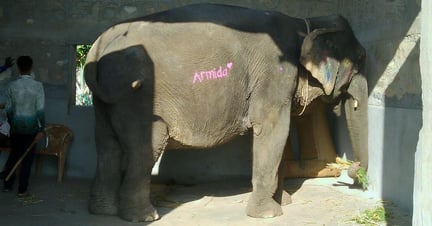
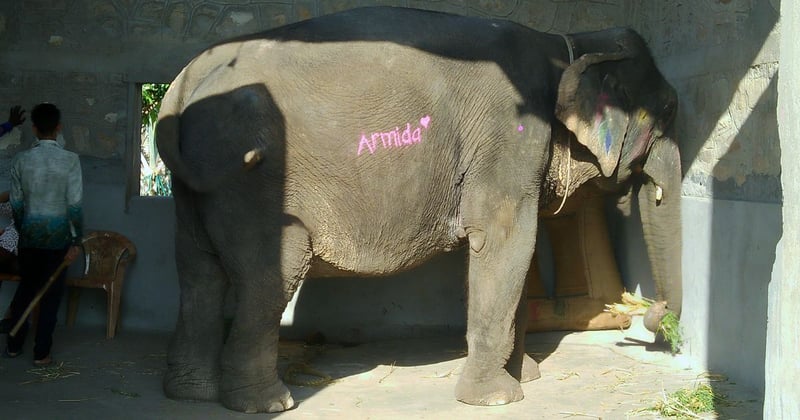
Indian authorities have launched an investigation after images of a 65‑year‑old captive elephant painted bright pink during a photoshoot in Jaipur has caused criticism across social media.
The photographs, taken by a foreign photographer during a creative shoot in Rajasthan’s capital, show the elephant standing beside a model at an abandoned temple.
Originally shared online late last year, the images resurfaced and went viral in March, prompting fierce criticism over the ethical use of animals in artistic and tourism activities.
Animal advocates and members of the public have questioned whether the elephant was subjected to unnecessary stress and exploitation, regardless of claims that non‑toxic colour was used.
It has been reported that the elephant, named Chanchal, has since died.
Authorities launch investigation into welfare standards
The Rajasthan Forest Department has confirmed that it is examining the circumstances surrounding the shoot, including whether appropriate permissions were obtained and if animal welfare regulations were followed.
Officials are also reviewing whether existing laws governing the use of captive elephants were breached. In India, elephants are protected under the Wildlife Protection Act, and the breeding and exploitation in tourism of them remains a highly scrutinised issue.
The investigation follows pressure from activists who argue that creative or commercial activities involving captive wildlife often operate in regulatory grey areas, especially when foreign tourists or photographers are involved.
Photographer defends "creative choices"
The photographer behind the images has defended the shoot, stating that the colour used was organic, washable, and similar to powders traditionally applied during festivals. They also claimed the elephant was not harmed and that the session was short and supervised by the animal’s handler.
According to the elephant’s owner, Chanchal the elephant was no longer used for tourist rides and died earlier this year due to old age. They have maintained that the photoshoot did not cause distress or injury.
However, elephants have highly sensitive, porous skin and are prone to stress in unfamiliar or disruptive situations, even if harmful substances are not used. And while the photographer chose to paint the elephant, the elephant didn't have a choice.
Elephant painting is a common activity promoted by exploitative tourism companies, in which elephants are used as canvases by tourists. Photoshoots like this further encourage the public to partake in experiences that can cause the animals physical and mental harm.
A calls for tighter controls
The controversy has reignited long‑standing concerns about the treatment of captive elephants in Jaipur and other tourist centres across India. This particular incident highlights the urgent need for stricter oversight of wildlife used for tourism, content creation, and social media.
Inconsistent enforcement may allow harmful practices to continue under the guise of culture, art, or tradition, while placing animals at risk.
It is of cardinal importance that the Ministry Of Environment and Forests, Project Elephant and the Rajasthan Forest Department regulate the nature of all tourist activities with captive elephants in Jaipur, including foreign tourists, to ensure that abusive activities toward captive elephants do not take place.
Debate over art, tourism and ethical responsibility
The pink elephant photoshoot has brought upon a broader debate about artistic freedom and ethical responsibility. While some have defended the images as culturally inspired art, many critics say creativity should never come at the expense of animal wellbeing.
Commenters have questioned why digital tools or post‑production techniques were not used instead of involving a live animal, particularly in an era where technology can recreate visual concepts without causing potential harm.
Normalising such practices on social media risks encouraging copycat behaviour, especially in tourist hotspots where animals are already vulnerable to exploitation.
As the investigation continues, we hope the case will be a turning point for how captive elephants are treated within India’s tourism and creative industries.
Thousands of captive elephants are still being bred and exploited for the sake of tourism. After enduring a traumatic process called 'the crush' to break their spirits, they are trained to perform repetitive tasks and endure unnatural human interactions.
We encourage all tourists and travellers to travel responsibly and prioritise the venues and companies that champion animal welfare.
Related content
Wildlife Heritage Areas
Heritage Sites
A global programme recognising responsible wildlife-watching destinations that incorporate high standards of animal welfare and biodiversity conservation
Elephants
Discover how World Animal Protection protects elephants worldwide. Explore key threats, campaigns, news, and ways to take action to help these majestic animals.
Elephant friendly tourist guide
Find out how to be an elephant friendly tourist and discover venues worldwide adhering to the highest standards of truly ethical animal welfare. Read more.