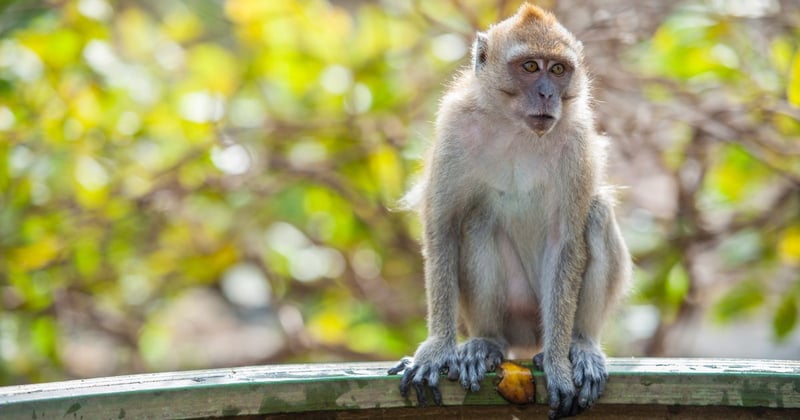
A recent monkey attack in Thailand has renewed warnings about the dangers of wildlife encounters and calls for stronger travel‑insurance protections.
A recent incident in Krabi, Thailand, in which a beauty influencer was swarmed by macaques and bitten on the calf on a popular beachside trail, has refocused attention on the risks of close wildlife encounters promoted to tourists.
The incident unfolded after a baby macaque climbed onto the influencer's head, prompting several larger monkeys to rush in, one clinging to her leg and biting her calf before retreating.
The influencer, known as Julia Beautx, later sought hospital care, where vaccination and antibiotics were administered. Multiple outlets have reported the account, originally shared by the influencer on a podcast and via social posts, and subsequently covered by international and Australian media outlets.
Risk is rising where wildlife is habituated to tourists
Regional reporting indicates repeated macaque incidents occuring at well‑known tourist hotspots in southern Thailand, including Monkey Beach on Phi Phi and sites around Phuket, where macaques are highly habituated to human presence.
Local warnings note periodic spikes in reported bites during peak holiday periods, underscoring the unpredictability of wild animals even in familiar tourist settings.
Public health references emphasise that animal bites in rabies‑enzootic regions warrant serious attention, and that non‑human primate exposures present specific infectious‑disease considerations for travellers.
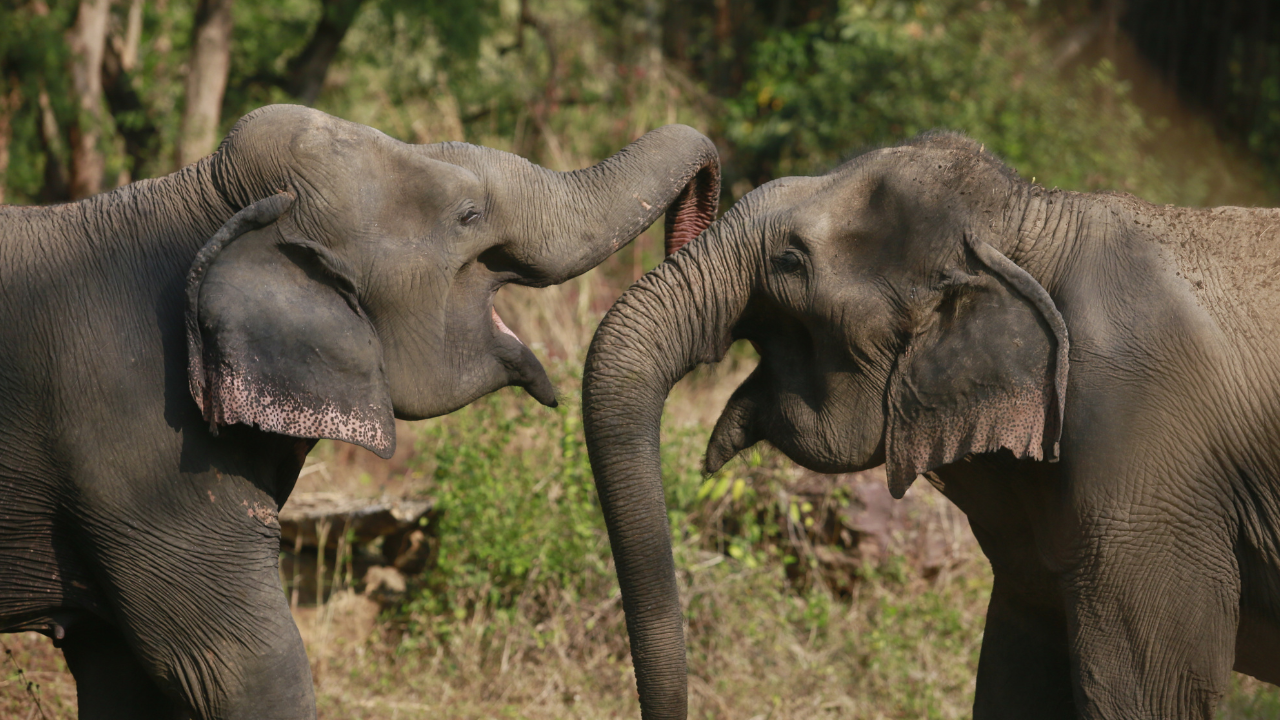
You can make a difference for vulnerable animals
Donate now
When you make a donation, you’ll join a passionate group of supporters who are determined to change the world for animals. We're fighting animal cruelty wherever we find it — are you with us?
Click to donateCall for stronger travel‑insurance cover and traveller education
In light of the renewed attention, World Animal Protection Australia has urged insurers to reassess how deliberate wildlife encounters are treated in policy design and to ensure travellers are informed about the potential harms of wildlife interactions.
This frightening encounter is a reminder that wild animals, whether in the wild or in captivity, can be extremely unpredictable.
Given how dangerous it is to interact with wildlife, travel insurers need to seriously consider if special additional cover is needed for deliberate animal encounters.
Trips to monkey hotspots or elephant washing experiences should be covered in the same way tourists need to pay for other risky activities like skiing or scuba diving.
Insurers and travel companies should be educating travellers on the potential harm of wildlife interactions, to ultimately reduce these incidents from happening in the future.
Why this matters for policyholders and the industry
As wildlife‑adjacent experiences continue to feature in Southeast Asian itineraries, insurers face increasing pressure to clarify whether close‑contact animal activities fall under standard cover or require additional premiums and disclosures, similar to adventure sports.
The tourism sector likewise faces expectations to improve pre‑trip and on‑site risk communication so travellers understand that proximity to wild animals is inherently risky, regardless of how often such experiences appear on social media or tour brochures.
Until these changes have been implemented, we encourage tourists to research destinations carefully, avoid direct contact with wildlife, and choose travel operators that prioritise responsible, ethical practices.
Related content
Protecting wildlife in travel & tourism
Wildlife
Would a real responsible traveller have captive wildlife entertainment on their wish list?
Wildlife Heritage Areas
Heritage Sites
A global programme recognising responsible wildlife-watching destinations that incorporate high standards of animal welfare and biodiversity conservation
How Social Media Is Fueling Wildlife Exploitation | World Animal Protection
Blog
Social media trends can exploit wildlife for entertainment. Learn how viral content contributes to wildlife harm and what actions we can take to stop it.