World Tourism Day
Animal Awareness Days
World Tourism Day on 27th September promotes ethical and sustainable tourism ensuring the well-being of tourists, communities, animals, and planet.

Animal Awareness Days
World Reptile Day celebrates all of the varied species of snakes, lizards, and other reptiles, and raises awareness to improve their welfare worldwide.
Read more to find out why these animals need your protection.
Reptile Awareness Day is held every year on October 21st.
Here are just some reptile facts to get you ready for World Reptile Day.
Reptiles can be found in all areas of the world except Antarctica. Hot, tropical areas will usually have more reptiles than drier, colder ones.
Yes, many species of reptiles are endangered. Border laws vary between countries, which fuels both legal and illegal international trade.
According to CITES (the Convention on International Trade in Endangered Species of Wild Fauna and Flora), which regulates the trade in endangered species, approximately 91% of all reptiles remain unprotected.
Reptiles are sentient animals. They can feel emotions like joy and fear, and they have personal likes and dislikes. Some reptiles care for their offspring and even play. Captive reptiles rarely have these needs met.
World Reptile Day is an international event designed to celebrate the diversity of reptiles. It’s also a time to raise awareness of the plight of reptiles worldwide.
Reptiles can easily be ignored in the push for animal protection in favour of mammal and bird species. But they desperately need our help too. More than one in five reptile species is threatened with extinction — largely due to human activities and exploitation.
Their biggest threats include:
Reptile Awareness Day is an opportunity to speak up for reptiles living in captivity or being kept as pets, as well as ongoing concerns about more reptile species becoming endangered in the wild.
You can play your part in protecting reptiles this National Reptile Awareness Day and beyond by:
Donate to World Animal Protection or subscribe to stay informed and help us end wildlife exploitation.
You can celebrate Reptile Awareness Day by helping support reptiles in the wild.
National parks, green spaces, and other wildlife-dense areas are often havens for wild reptiles. Why not learn to recognise your local reptile species and visit a nearby location they might be present in? Just be careful not to disturb the wildlife.
Above all, you should never keep a reptile as a pet. Celebrate these amazing creatures by enjoying them in their wild, natural habitat. Reptiles are often shy, timid creatures, so it’s best to appreciate wild encounters for the rare experience that they are.
Lizards shouldn’t be kept as pets. Many owners see lizards as low-maintenance pets, but this isn’t true. Lizards have complex physical, emotional, and social needs that vary wildly depending on the species.
Lizards aren’t domesticated. They’re wild animals and must remain wild to live healthy, fulfilled lives. Lizard and other reptile owners can’t properly create an ideal environment for their pets.
No! We shouldn’t be keeping reptiles as pets, but releasing pets into the wild is not a good idea. Releasing previously captive reptiles into the wild can damage the ecosystem.
If you own a pet reptile, learn as much as you can about their needs and do your best to meet them. If you can’t keep your pet reptile anymore, you should find a local rescue to take them in.
Although reptiles are often referred to as cold-blooded, this is something of a misnomer. They are instead ectotherms, meaning that they don’t generate their own body heat, but instead regulate it by moving into different temperatures. For instance, if they need to warm up they’ll move to a sunny spot, and if they need to cool down they will move to the shade.
It depends on which scientists you speak to. Animals can be classified in different ways. So some scientists would argue that, because they are feathered and warm-blooded, birds are not reptiles. Others would argue that, because birds and reptiles have a common ancestor in carnivorous dinosaurs, birds are in fact a type of reptile.
Turtles are reptiles. They breathe air with lungs, have scaly skin, are cold-blooded, and lay leathery or hard-shelled eggs on land.
Dinosaurs were a type of reptile. They differ from the reptiles of today because they had straight back legs, rather than the sprawling legs of crocodiles and lizards.
Like turtles, lizards, and crocodiles, snakes are a type of reptile. While some snakes give birth to live young, most lay eggs. They also have scaly skin, are cold-blooded, and breathe air through their lungs.
A reptile is a cold-blooded animal that breathes air through its lungs. It is covered in scales or bony plates, and it sheds its dry skin sporadically. Most species lay eggs. Common types of reptiles include snakes, lizards, turtles, crocodiles, and alligators.
Most reptiles are carnivorous, meaning they eat insects, molluscs, birds, frogs, mammals, fish, and other reptiles. Large snakes, like the reticulated python, can even eat large mammals, like pigs and deer.
Not all reptiles lay eggs, though the majority do. However, some snakes and lizards give birth to live young, with mothers incubating their eggs internally.
The three-toed skink, a lizard living in Australia, can alternate between laying eggs and delivering live young depending on its environment and population. In warmer areas, they tend to lay eggs, while in colder regions they give birth to live babies.
Reptiles and amphibians are both cold-blooded animals, and they sometimes look very similar. But there are a couple of key differences:
Some examples of amphibians include frogs, toads, and salamanders.
Reptiles can’t get rabies because they’re cold-blooded, so the rabies virus can’t survive in their bodies. Only mammals can contract rabies.
Reptiles breathe through their lungs. Reptiles that spend time underwater have to hold their breath (which some species can do for extended periods) and come up to the surface to breathe.

Animal Awareness Days
World Tourism Day on 27th September promotes ethical and sustainable tourism ensuring the well-being of tourists, communities, animals, and planet.

Animal Awareness Days
Join us for World Lion Day on August 10th, find out our top lion facts and how the big cat at the top of the animal kingdom needs our help.
Animal Awareness Days
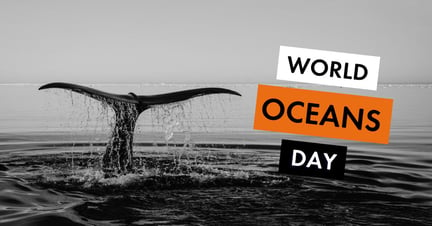
World Oceans Day on June 8th raises awareness of the importance of the world's oceans, join us in educating others on protecting marine biodiversity.
Blog
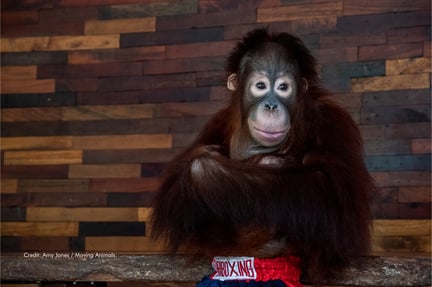
Orangutans are being taken from the wild for the illegal pet trade. Learn how it happens, what happens...
Blog
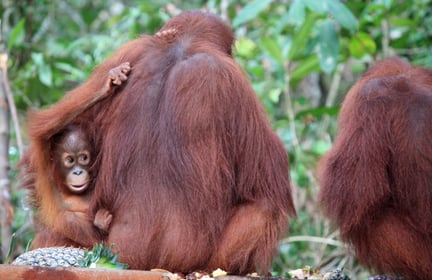
Discover the world of female orangutans, from lifelong mother-infant bonds to the family dynamics that shape every generation...
Blog
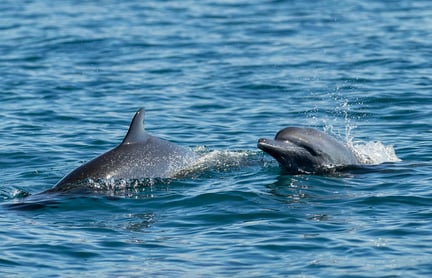
Discover different types of dolphins, from bottlenose dolphins to pink river dolphins. Learn about their traits, habitats, threats,...
Blog
Through the Investing in Others programme, World Animal Protection proudly supports Patom Organic Living and the farmers behind...