Can You See Bali Animals Ethically?
Blog
Before booking any Bali holiday packages where you meet native wildlife, read this guide on choosing ethical experiences that don’t harm Bali animals.
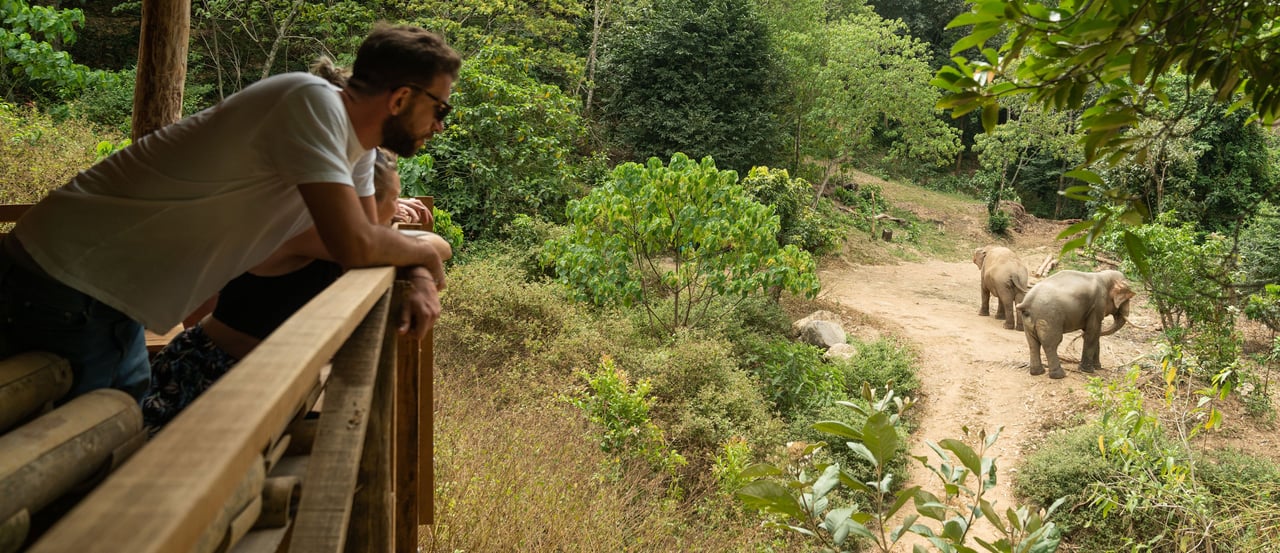
Use our simple guide to avoid venues that don't have elephants’ best interests at heart.
Right now, thousands of elephants around the world are suffering in the name of tourism. But it doesn’t have to be this way.
The best place to see elephants is in the wild, where they can roam freely and exhibit their natural behaviours. However, if you choose to visit an elephant venue, ensure it prioritises the well-being of the animals—offering them space to socialise, forage, and live without chains or forced interactions with tourists.
Responsible venues focus on education and conservation rather than entertainment, allowing elephants to be elephants.
A venue may call itself a sanctuary, rescue centre or retirement home for elephants, but don’t assume this means it’s high welfare. Do your research before booking and use our guide below to avoid being misled.
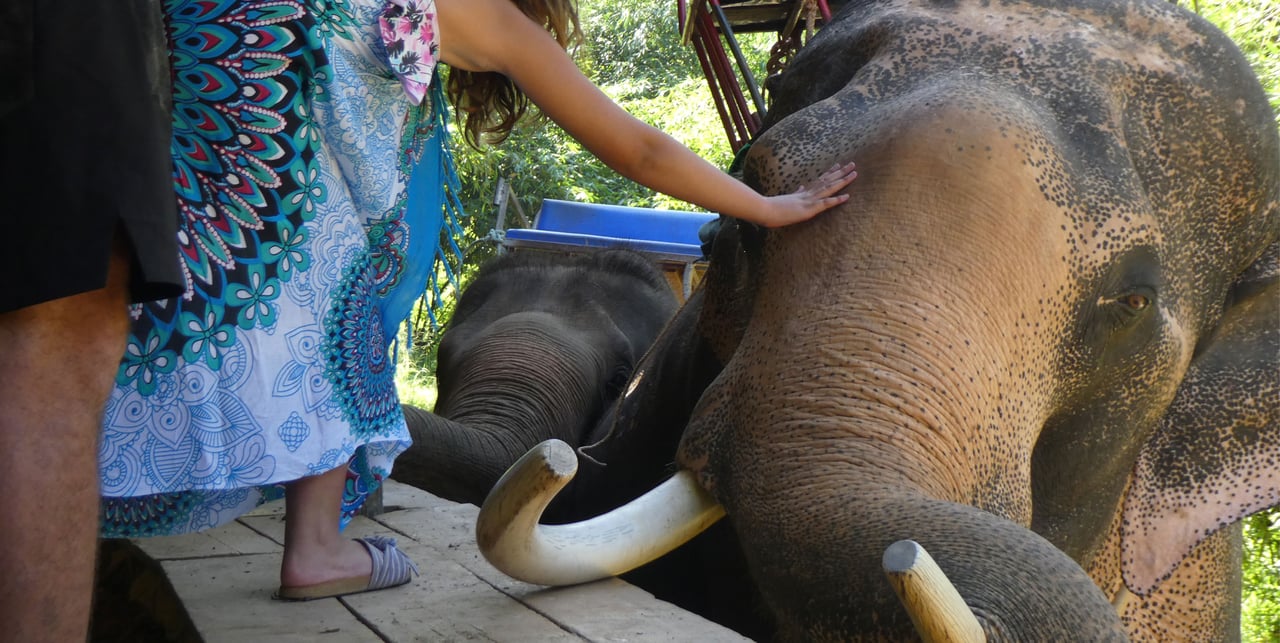
Only visit venues where you can look, not touch.
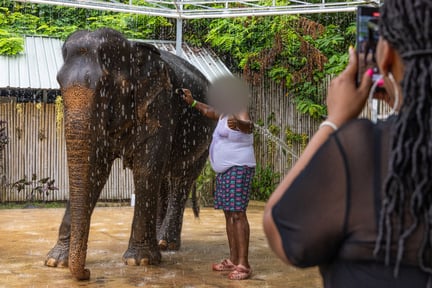
Elephants are wild animals that belong in the wild. If a venue allows you to get close enough to ride, bath or touch them, it’s because they’ve been cruelly trained.
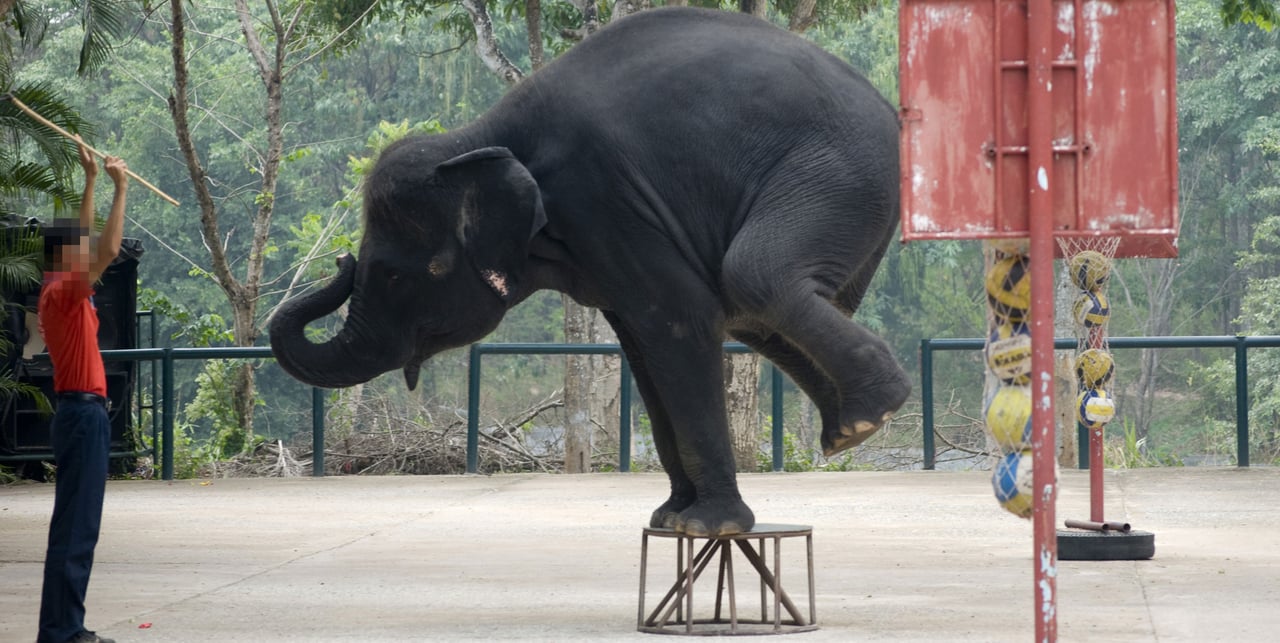
If the elephants in a venue are not allowed to freely move and express natural behaviour, it’s not the place for you.
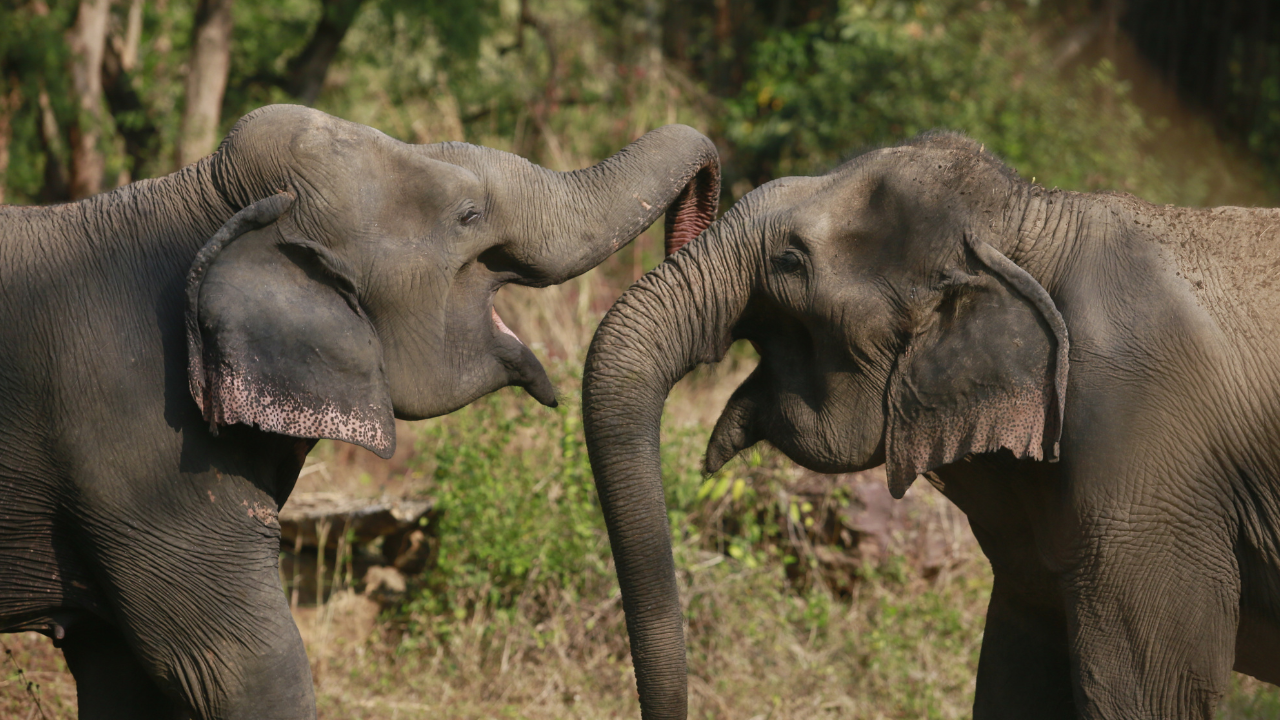
Elephants in the wild spend their days roaming long distances, grazing and socialising with other elephants, not confined in small enclosures or forced to perform.
They might be cute, but if you can see or touch a baby elephant, especially without its mum, then the venue is not elephant-friendly.
Baby elephants are tourist magnets, but true elephant-friendly venues shouldn’t allow breeding. You shouldn’t be seeing young elephants, except for orphanages where babies are rescued from the wild.
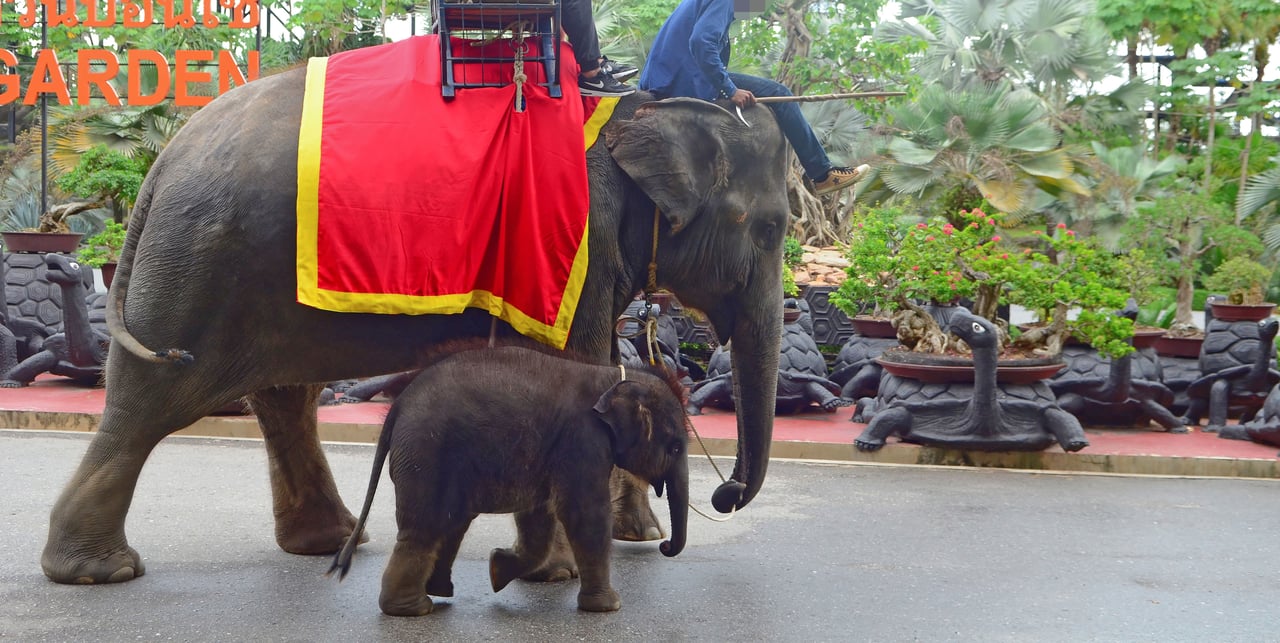
Elephants should always be treated with kindness and respect, and hooks shouldn’t be used unless in a real emergency.
Being wild animals, captive elephants can be unpredictable and dangerous, especially if they're being crowded. Many tourists and mahouts are injured and killed each year. Even in elephant-friendly venues you’ll often see mahouts accompanying elephants at a distance, to keep everyone safe.
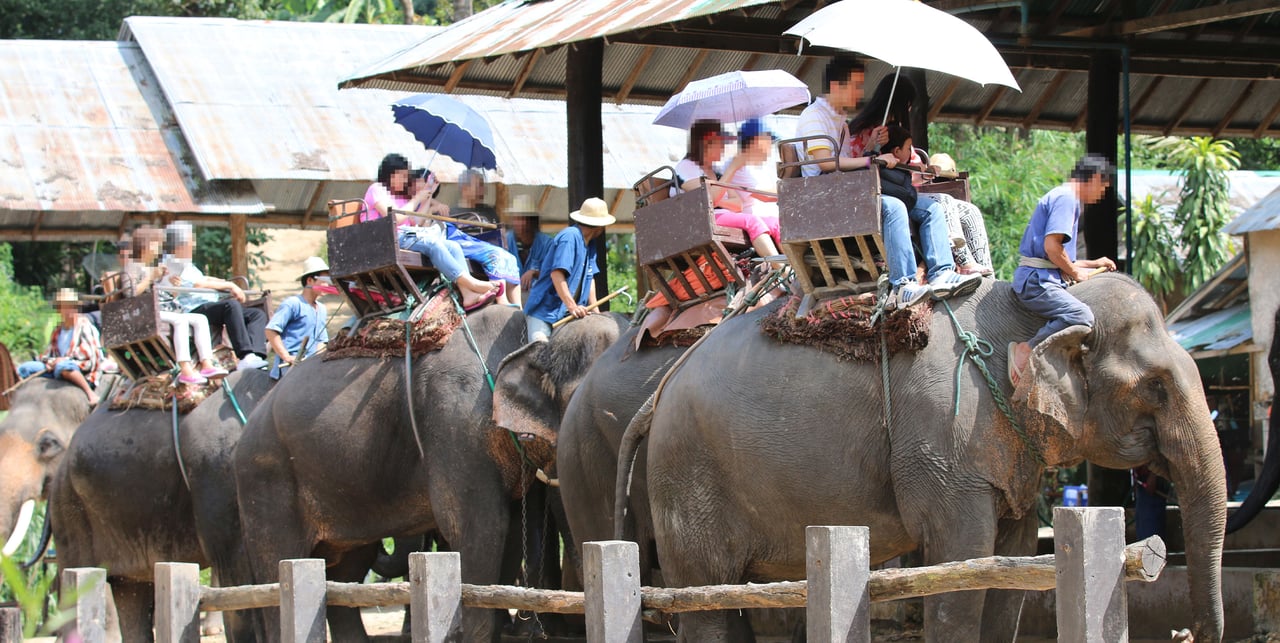
Finding an elephant venue that aligns with welfare best practice can be difficult, even with good intentions.
World Animal Protection’s elephant-friendly guidelines support venues to move away from direct contact and towards observation-led experiences that protect elephant autonomy and reduce the demand for captivity.
The venues below received the highest scores in our most recent assessment and are categorised according to their practices: Elephant friendly and if they offer hand-feeding over the barrier. Some listed venues are not yet following our elephant-friendly guidelines because they still offer limited forms of direct interactions (such as hand-feeding over a barrier) and/or other practices outlined in the key, or because conversations on Elephant-friendly practices are yet to be held with the venue. For a comprehensive list of venues and their offerings look at the full list in the report.
These venues have been reviewed and updated in December 2025, ensuring that all the information about their practices is up to date.
Key:
* World Animal Protections’ elephant-friendly guidelines help transition venues to incorporate best-practice animal management and avoid further increasing the captive elephant population. Such venues will allow elephants more autonomy, more opportunities to engage in natural behaviours, and will avoid direct contact with visitors.
Elephant Valley Project, Cambodia ✅
List of ethical elephant sanctuaries in Thailand:
(conversations on elephant-friendly practices have not yet occurred)
Ethical elephant sanctuary in Laos list:
Every year, our Elephant Tourism Report offers insights into the scale, practices, and welfare conditions of elephants being used in tourist attractions. We conduct field research and visit elephant venues to see for ourselves exactly how elephants are being treated and how venues are run.
Take a look at our key findings for this year or download the full report below to read more.
Right now, thousands of elephants around the world are suffering in the name of tourism. We surveyed 236 elephant venues, holding a total of 2,849 elephants, and found that:
But there is hope.
When surveying elephant venues and the wider elephant tourism landscape, we found reasons to be positive.
More than 200 travel companies have committed to wildlife-friendly policies, and the number of elephant rides and shows on offer has declined. We also found that 7% of elephants were involved in higher-welfare, observation-only experiences.
We’re pleased to see that our reports and our campaigns are having an impact. However, there is still a lot more to be done.
Sadly, the overall welfare landscape for captive elephants has not meaningfully changed in the 15 years since our first survey. The number of elephants kept in tourist venues has risen since 2019, and the captive breeding of elephants continues.
Many elephants are kept chained in dirty, noisy shelters, with limited nutrition and social interaction. Captive elephant protections and associated enforcement continue to be weak, with welfare certification schemes voluntary and ineffective.
Close-contact experiences — like washing and hand feeding elephants — have surged. These experiences are marketed as ethical alternatives at venues claiming to be “sanctuaries” or “rescue centres”. But they mask elephant exploitation, including punishment-based training and regular restraint.
Even well-meaning tourists will struggle to find ethical elephant experiences based on elephant venue and tour company marketing materials.
For the travel industry: Promote truly responsible tourism. Stop promoting any forms of close-contact elephant interaction tourism, audit supply chains, and educate travellers on what wildlife-friendly tourism really is.
For legislators: Protect captive elephant populations from commercial exploitation. End the commercial breeding of captive elephants, establish and enforce elephant welfare standards, and create publicly accessible data on all captive elephants.
For local communities: Organisations like World Animal Protection, provide local communities with the financial, technical, and marketing support they need to move away from businesses built on cruel wildlife tourism. Thanks to your support, we can help them to make a living from running ethical elephant sanctuaries.
For travellers: Support best-practice sanctuaries. Research elephant venues and tour companies before travelling to ensure you only ever engage in experiences that prioritise elephant welfare.
You can learn more by reading the full report.
Download the Elephant Tourism Report 2026
Explore our full archive of research and previous reports at the Elephant Hub
Donate now
When you make a donation, you’ll join a passionate group of supporters who are determined to change the world for animals. We're fighting animal cruelty wherever we find it — are you with us?
Click to donate
Blog
Before booking any Bali holiday packages where you meet native wildlife, read this guide on choosing ethical experiences that don’t harm Bali animals.
Blog
Tourists ride elephants suffering abuse, beatings, and a life of pain. Learn the dark side of elephant tourism and how you can help end their suffering.
Blog
Asian elephants are native to Thailand, but far too many of them are trapped in captivity. Here’s what World Animal Protection Thailand want you to know.
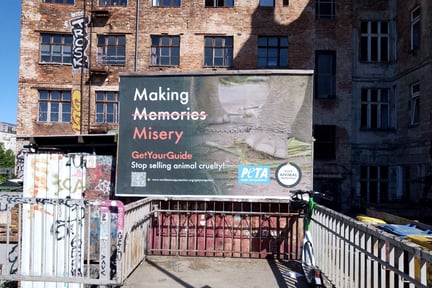
GetYourGuide travel company is severely failing wildlife with exploitative wild animal attractions - Take action now!
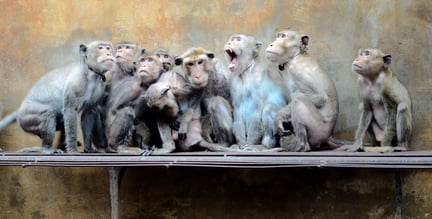
Explore the impact of Global Wildlife Farming: exploitation, risks, and urgent calls for change
Wildlife Farming
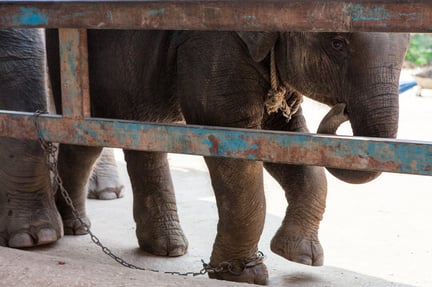
Captive Elephant Breeding is a form of Wildlife Farming where elephants are farmed for profit. Find out how you can take action to protect these majestic creatures.