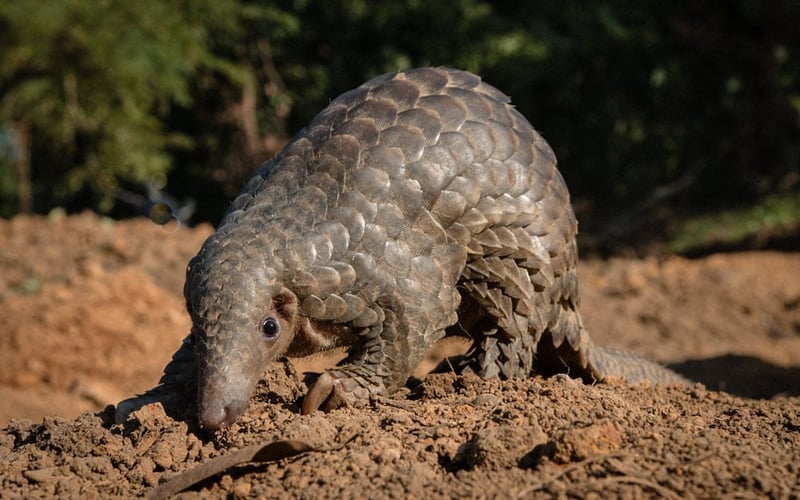
The Chinese pangolin is a unique and highly threatened species of pangolin found across parts of Asia. Covered in protective scales and known for their specialised diet, this shy mammal plays an important role in maintaining healthy ecosystems.
But like all pangolins, the Chinese pangolin is under serious threat. Poaching, the illegal wildlife trade, habitat loss, and exploitation are pushing this species closer to extinction.
In this guide, we explain what a Chinese pangolin is, where they live, their key characteristics, why they’re endangered, and how we can work together to protect them.
What is a Chinese pangolin?
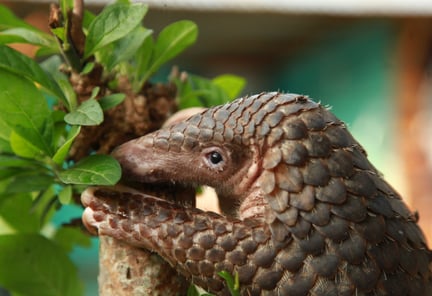
The Chinese pangolin (Manis pentadactyla) is one of eight pangolin species found across Africa and Asia. They are native to parts of East and Southeast Asia and are recognised by their distinctive armour-like stacles and insect-based diet.
Despite their reptile-like appearance, pangolins are mammals. Their scales are made of keratin, the same protein that makes up human hair, fingernails, and rhino horns. These scales act as a protective armour against predators.
Like other Asian pangolins, the Chinese pangolin has small bristles between their scales and a distinctive, almost helmet-like appearance. They typically grow to 31 to 48 cm in length and weigh between 2 and 10 kg.
Chinese pangolins are solitary and nocturnal, spending most of their time foraging for ants and termites and resting in underground burrows during the day.
Learn more Chinese pangolin facts.
Chinese pangolin characteristics
The Chinese pangolin has several distinctive characteristics that make it highly adapted to their environment.
- Scales: their most recognisable feature is their overlapping scales, which act as armour. When threatened, the pangolin curls into a tight ball, protecting their soft underside from predators.
- Specialised feeders: Chinese pangolins are also highly specialised feeders. They rely on their strong sense of smell to locate ant and termite nests, and use their powerful claws to break into them. They also have a clever feeding adaptation: pangolins can close their ears and nostrils to prevent insects from biting them while they feed.
- Ecosystem engineers: Using their long, sticky tongues, they can eat thousands of insects each day, helping regulate insect populations and maintain ecological balance. Like all pangolins, Chinese pangolins don’t have teeth and rely on their stomach to break down food.
- Sentient beings: Chinese pangolins are protective and caring mothers. Females typically give birth to a single offspring, which rides on their mother’s tail or back once their scales harden. Young pangolins can stay with their mother for up to two years before becoming independent.
Where do Chinese pangolins live?
The Chinese pangolin habitat spans parts of East and Southeast Asia, including China, Nepal, Bhutan, India, Bangladesh, Myanmar, Laos, Thailand, and Vietnam.
Chinese pangolins live in forests, woodlands, and sometimes agricultural areas where ants and termites are common. As ground-dwelling animals, they dig burrows for shelter and protection. These underground dens provide a safe place to rest during the day and to raise their young. They tend to dig burrows in areas with suitable soil conditions, often favouring sloped landscapes that provide stability and protection.
Though they are primarily ground-dwelling, Chinese pangolins are also capable climbers and may use natural passageways such as abandoned termite tunnels for shelter.
Learn more about pangolin habitats.
Chinese pangolin habitat loss
However, these habitats are under increasing pressure.
Habitat loss is a growing threat to the Chinese pangolin. Habitat loss in Nepal and other parts of Asia results from deforestation, agricultural expansion, and infrastructure development. These actions are reducing the natural environments that pangolins rely on for food and shelter.
As more forests are cleared, pangolins are forced into smaller, fragmented habitats. This not only limits their access to food but also increases the risk of human contact, poaching, and exploitation.
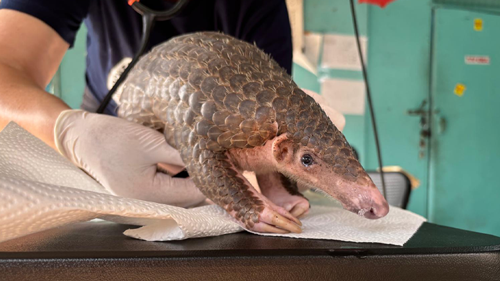
You can make a difference for vulnerable animals
Donate now
When you make a donation, you’ll join a passionate group of supporters who are determined to change the world for animals. We're fighting animal cruelty wherever we find it — are you with us?
Click to donateWhy are Chinese pangolins endangered?
Chinese pangolins are classified as critically endangered by the IUCN, meaning they face an extremely high risk of extinction in the wild.
Pangolins are widely recognised as the most trafficked mammals in the world, and the Chinese pangolin is one of the most affected species. In fact, their population has declined dramatically across their range, with some estimates suggesting declines of over 90% in the 21st century.
In some parts of their range, populations declined drastically due to historic overexploitation, with estimates suggesting up to 180,000 pangolins were harvested annually in China during the 1960s and 1980s. Today, the species has become extremely rare in many areas where it was once common.
Traditional medicine
The biggest threat facing the Chinese pangolin is the illegal wildlife trade, with demand driven largely by their use in traditional medicine.
In traditional medicine systems, pangolin scales have been used to treat a range of conditions, despite having no proven medicinal value. This demand continues to fuel poaching and trafficking, even though plant-based and synthetic alternatives are widely available.
There are signs of progress, however. In recent years, China has taken steps to reduce the use of pangolin products in traditional medicine, but has not enacted a complete ban. Pangolin scales, as a raw ingredient, were removed from China’s traditional medicine pharmacopoeia in 2020. And in 2025, China removed Guilingji (a traditional medicine containing pangolin ingredients) from the latest edition of the pharmacopoeia.
Though these are important steps toward reducing demand, pangolin products can still appear in some medicines, and illegal trade continues to meet demand. This means Chinese pangolins are still at risk from ongoing exploitation.
Illegal wildlife trade
The trade of Chinese pangolins is not only illegal, but it’s also highly unethical and causes significant suffering.
Pangolins are hunted using dogs and traps, often sustaining injuries before being captured. These sentient animals can experience fear, distress, and pain throughout the process. Once caught, they are transported in poor conditions, without food or water, leading to further harm.
Even when rescued, Chinese pangolins often struggle to survive. They are highly specialised animals and do not adapt well to captivity, frequently experiencing chronic stress and poor health.
Together with the habitat loss mentioned earlier, these factors explain why Chinese pangolins are endangered — and why urgent, targeted action is needed to protect them.
How to protect the Chinese pangolin
Protecting the Chinese pangolin starts with tackling the root causes of their decline — particularly illegal wildlife trade and habitat loss.
At World Animal Protection, we are working to end the exploitation of pangolins by reducing demand for wildlife products and promoting humane alternatives. Pangolins are sentient animals capable of experiencing fear, stress, and pain. Yet they are still taken from the wild and subjected to suffering through exploitation.
Another key area of focus is traditional medicine. By supporting plant-based and sustainable alternatives, we can help reduce the demand for pangolin scales and protect these animals from harm. We are also working to strengthen laws, raise awareness, and support global efforts to protect wildlife and their habitats.
You can help protect Chinese pangolins and support their future by:
- Celebrate World Pangolin Day and learn and share Chinese pangolin facts to raise awareness
- Avoiding products linked to wildlife exploitation
- Supporting efforts to end demand for pangolin scales
- Calling for stronger protections for wildlife and their habitats
You can also support our work directly by donating to help protect pangolins.
Together, we can help ensure Chinese pangolins can live safely in the wild — where they belong.
Related content
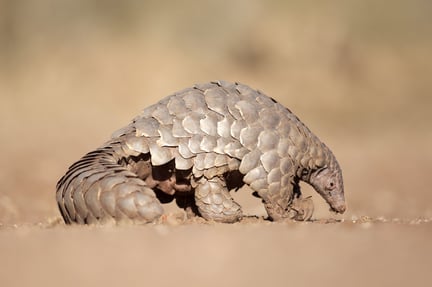
Pangolins
Learn about pangolins, the world’s most trafficked mammal. Discover why pangolins are endangered, the threats they face, and how we can help protect them.
World Pangolin Day
Animal Awareness Days
World Pangolin Day is observed on the third Saturday of February every year to celebrate pangolins and their contribution to the planet's ecosystem.
Pangolin Habitat Guide: Where Pangolins Live
Blog
Discover more about the pangolin’s natural habitat, where they live, and how habitat loss threatens their survival. Explore maps and facts about Chinese, African, and Indian pangolins.