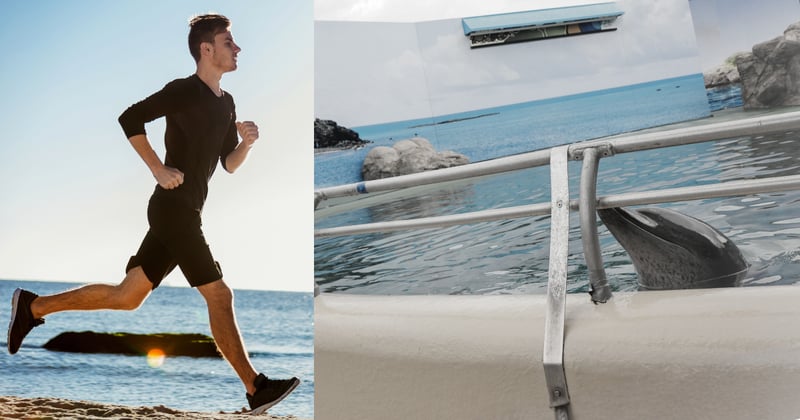
Running free: Why are mediterranean marathons tied to dolphin captivity?
Blog
In Cyprus, Rhodes and Palma, TUI’s marathons are built on a sense of freedom, running through open coastlines and alongside endless blue sea. Behind them is captivity.
Destination marathons such as the Cyprus Marathon, Rhodes Marathon and Palma Marathon invite challenge-chasing travellers from around the world.
The imagery surrounding these races is consistent and compelling: blue sea, historic landscapes, healthy bodies in motion, community and wellbeing.
The Rhodes course follows the coastline with views of the “endless blue Aegean Sea” across 42 kilometres. The Cyprus event encourages runners to connect with others in a beautiful Mediterranean setting.
It is powerful storytelling around nature, movement and positive experiences.
But it also raises an important question:
How does this idea of freedom sit alongside their sponsor, TUI, which continues to promote and profit from captive dolphin entertainment?
Why this matters in sports tourism
For runners, a marathon represents something bigger than a race. It reflects commitment, resilience and the choice of movement.
Across the world, marathons symbolise:
- endurance and determination
- connection with landscapes and cities
- community and shared experience
- personal wellbeing and strength
'Race-cations' that marry mini-breaks and marathons, such as those in Cyprus, Rhodes and Palma, amplify these values even further. They place runners in landscapes shaped by marine life.
For centuries, dolphins have appeared in Mediterranean mythology and art. Ancient Greek mosaics often depict dolphins swimming alongside ships, symbolising harmony between humans and the sea.
Running through these places is not simply about sport. It is about navigating environments where nature is met with awe and deep respect.
Donate to protect dolphins
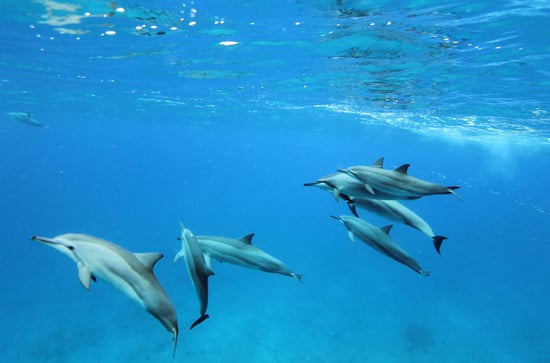
Help dolphins where they belong, in the wild
World Animal Protection works to end dolphin captivity and protect marine wildlife by challenging the tourism industry, supporting stronger laws, and promoting wildlife-friendly alternatives.
What dolphin captivity represents
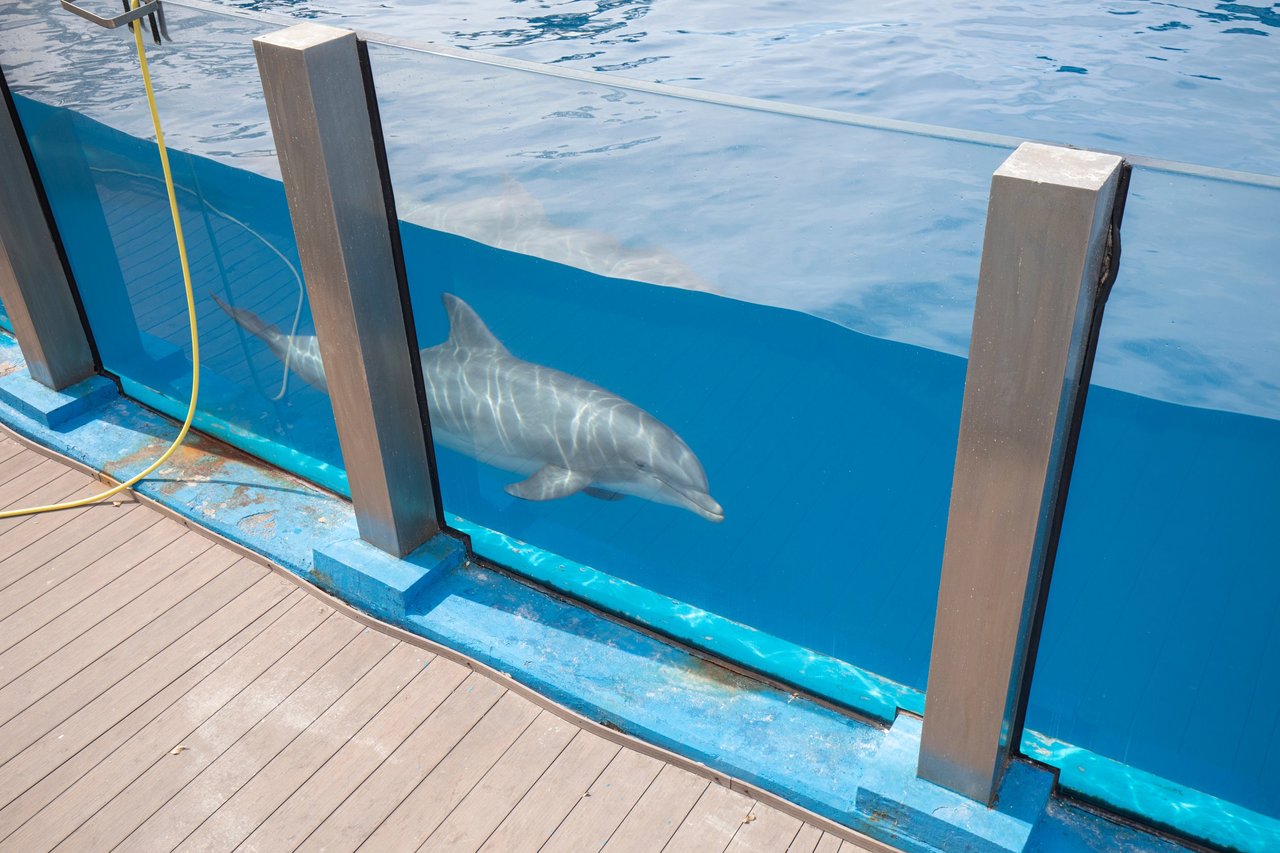
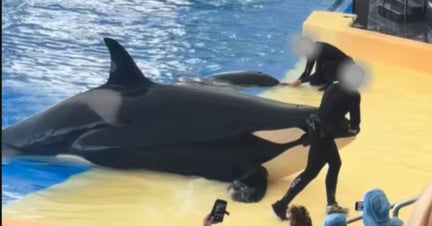
For dolphins used in tourism entertainment, the reality could not be more different. Dolphins are highly intelligent, wide-ranging marine mammals that naturally travel many kilometres each day in the wild.
They live in complex social groups and rely on open-ocean environments to express their natural behaviours.
Captive dolphin attractions replace that freedom with confinement.
Runners experience
Freedom Movement
Connection to nature
Health and wellbeing
42km distance
Open coastline
Dolphins experience
Lifelong captivity
Restricted movement
Separation from natural habitat
Physical and mental welfare concerns
Barren, concrete tanks just 10–20 metres across
Why this matters for modern travel
The travel industry is changing.
Travellers are increasingly choosing experiences that protect wildlife and respect natural environments. At the same time, awareness of animal welfare has grown and with it, expectations.
Research shows a clear shift: many people are uncomfortable with wildlife entertainment that involves animals performing in confined environments. For dolphins, that can mean restricted space, artificial social groups, and limited ability to express natural behaviours.
As a result, more travellers are questioning how tourism experiences align with the values destinations promote.
84% of people say travel companies should not sell activities that cause wild animals to suffer.
And across the industry, many organisations have already begun to change course.
Today, more than ever, events reflect those same expectations.
Like music festivals and major sporting tournaments, marathons have become public stages where audiences expect brands and partners to align with their values and ethics.
Because of this, sponsors and organisers matter more than ever.
Where TUI comes into focus
Marathons often spotlight a city, its cultures and history to a global audience.
But sponsors also shape that story.
And for TUI, that story still includes the continued sale and promotion of dolphin entertainment. This is why these partnerships are prompting important questions:
- Does this sponsorship reflect the values runners associate with these races?
- Does it strengthen the long-term reputation of the events and their host destinations?
- Do the experiences linked to the sponsor align with the nature and freedom these marathons celebrate?
When values and reality collide
Anyone who has trained for a marathon knows that success depends on alignment. Training, preparation and race day must work together.
When something is out of balance, runners feel it immediately.
The same principle applies to the story a brand tells through the events it sponsors. Destination events such as Cyprus, Rhodes and Palma Marathon represent something powerful: the freedom to move, endure and explore the world under your own power.
It’s no surprise brands want to be part of that story.
But when a sponsor aligns itself with those values, the wider choices it makes inevitably become part of the same narrative. For TUI, that still includes selling captive dolphin entertainment attractions.
And that is where the story breaks.
Runners train for months for the chance to run along open coastlines.
Captive dolphins circle tanks just metres wide.
One story celebrates endurance.
The other forces animals to endure lifelong confinement.
So it is only natural that runners, spectators and industry leaders alike begin to ask whether those two stories belong together.
They don’t.
And it is time to change course.
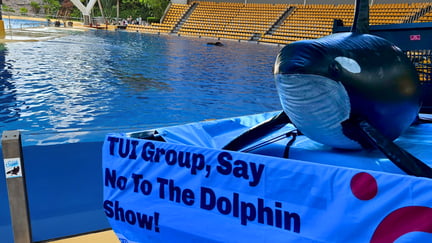
TUI — run from captive dolphin entertainment.
Related content
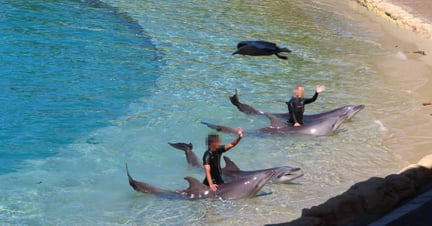
Captive dolphins endure extensive suffering in their tragic lives
Blog
Learn about the reasons behind the suffering of captive dolphins, their behaviour in their natural habitat, and responsible tourism practices.
Four-month-old orca calf Teno exploited in Loro Parque shows
News
We are calling on TUI to stop selling tickets to Loro Parque after four-month-old orca calf Teno is filmed performing in shows.
Stop TUI Profiting from Dolphin Cruelty
TUI is still selling over 400 offers to facilities that breed and exploit dolphins, directly fueling an industry built on suffering.