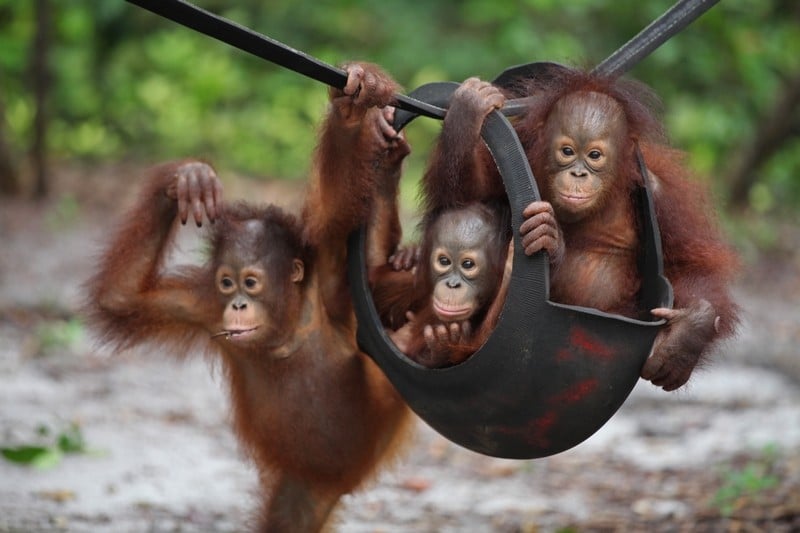
Deep in the rainforests of Borneo and Sumatra, lives one of Earth’s most remarkable creatures. Here are seven orangutan facts we think everyone should know.
Orangutans are intelligent, gentle, and surprisingly like us — sharing up to 97% of our DNA. From their problem-solving skills to the extraordinary bonds they have with their young, orangutan behaviour continues to fascinate researchers, conservationists, and animal lovers the world over.
Want to learn more about these great apes? Take a look at these fun orangutan facts.
1. Orangutan means "person of the forest"
The word orangutan comes from the Malay for person (orang) and forest (hutan). So the name translates as “person of the forest”.
This name reflects the deep connection between orangutans and their rainforest habitat. It also highlights the sentience of these highly intelligent beings — the way orangutans care for and teach their young, use tools, and solve problems isn’t so different from human behaviour.
2. Orangutans are only found on two islands
Orangutans are the only great apes native to Asia — gorillas, chimpanzees, and bonobos are all found in Africa.
So where do orangutans live? They can be found in rainforest habitats on two islands in Southeast Asia. There’s a population of orangutans in Borneo, and another in Sumatra.
Sadly, the orangutan’s habitat is under serious threat. Rainforests are being cleared to make way for palm oil plantations, other agriculture, and infrastructure.
Between 1973 and 2010, 40% of key orangutan habitat was lost in Borneo. Over in Sumatra, orangutans are frequently illegally killed during forest conversion or when found raiding fruit crops.
3. They use tools and even self-medicate
Orangutans are incredibly intelligent — and they put that intelligence to impressive use.
They’re skilled tool users. They strip leaves from sticks, which they then use to scoop insects and honey from tree holes, and to pry seeds from hard-shelled fruit. They’ll also save these tools for later, putting them aside until they’re needed again.
Even more remarkably, orangutans have been observed self-medicating using the same medicinal plants used by local human communities.
Scientists have seen orangutans using leaf extracts from a plant called Dracaena cantleyi. They mix the leaves with saliva, then apply the mixture to the body to relieve body pains.
In another case, a male orangutan with a facial wound created a paste of saliva and Akar Kuning (Fibraurea tinctoria) — an anti-bacterial and anti-inflammatory plant used by humans to treat diseases like diabetes and malaria. He then applied the paste to the wound.
4. There are three species of orangutan
The three orangutan types are the Bornean orangutan, the Sumatran orangutan, and the Tapanuli orangutan. Each is genetically distinct, and there are subtle differences that help us tell them apart.
The Sumatran orangutan has longer facial hair than the Bornean orangutan, but the Bornean orangutan is bigger and stockier.
The Tapanuli orangutan species was only confirmed in 2017. These orangutans also live on the island of Sumatra, but they’re smaller than other Sumatran orangutans.
So are any of these orangutans endangered? Unfortunately, yes. According to the IUCN, all orangutan species are critically endangered, and their populations are decreasing.
There are around 104,700 Bornean orangutans, fewer than 14,000 Sumatran orangutans, and just 800 Tapanuli orangutans left in the wild.
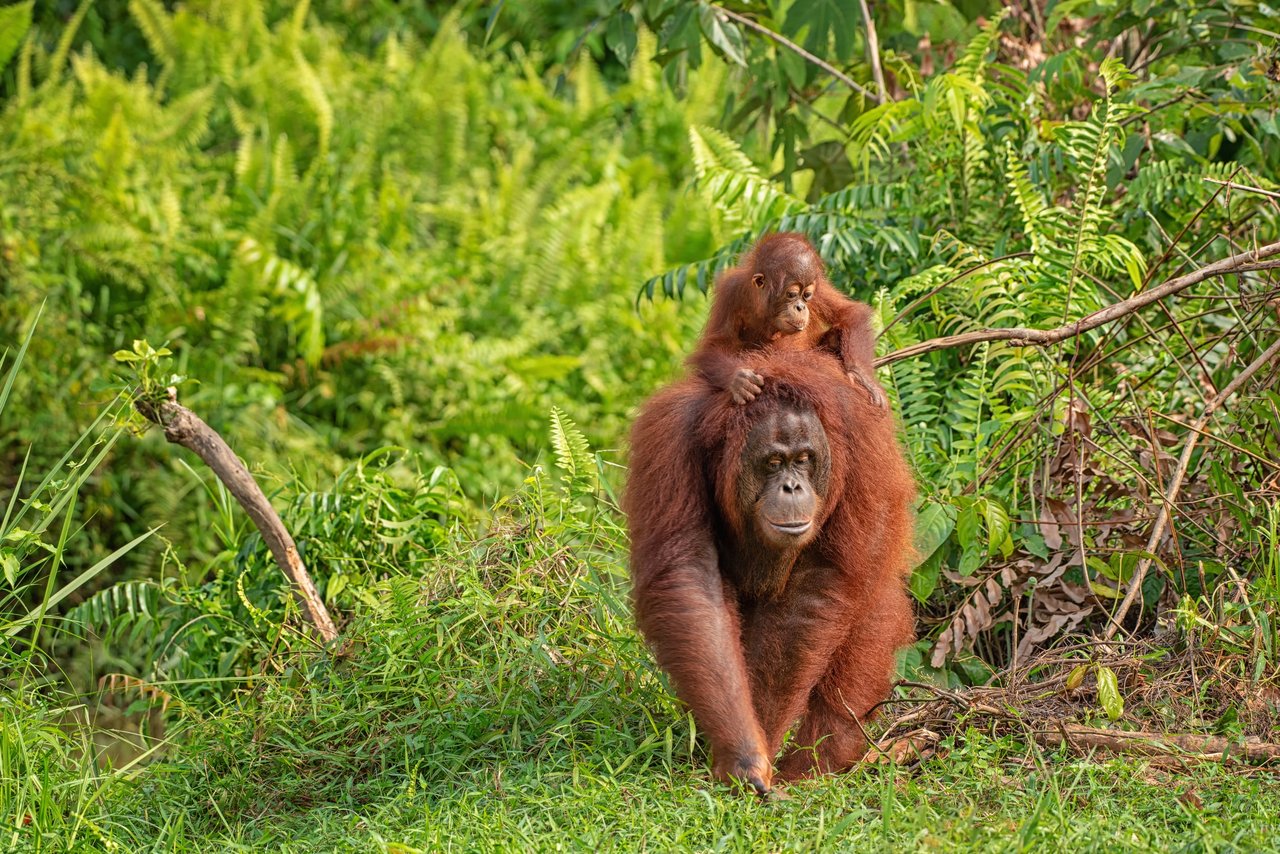
5. They're the largest tree-dwelling mammals on Earth
Bornean orangutans are the biggest and heaviest species. Male orangutans weigh around 87 kilograms. Females are significantly lighter and tend to weigh about 37 kilograms.
They have short legs but, proportionally, the longest arms of all the great apes, and males stand at around 1 metre tall.
Despite orangutans’ size, they spend most of their time in the trees. Here, they swing in search of food and build nests in the canopy.
A nest is a safe and comfortable sleeping platform for nighttime rest and daytime naps. Young orangutans observe their mothers as they nest-build to learn how to master this essential skill.
There are few natural orangutan predators. But life in the trees helps protect young or weak orangutans from predators like leopards, Sumatran tigers, and crocodiles.
6. Orangutans are known as the gardeners of the forest
These “people of the forest” are also nicknamed “gardeners of the forest”. Why? Well, the orangutan’s diet consists of bark, leaves, flowers, and insects — plus a huge variety of fruit.
As they travel long distances across the forest, orangutans spread fruit seeds via their dung. And as large mammals, they can disperse bigger seeds than most other animals.
Orangutans, therefore, play a vital role in seed dispersal. They help plants and trees to thrive. The result is a diverse, healthy, and resilient forest habitat that countless species depend on.
7. Orangutans make excellent mothers
In the wild, an orangutan’s lifespan ranges from around 50 to 60 years. Infants stay with their mothers for 6 to 8 of those years — longer than any other wild animal.
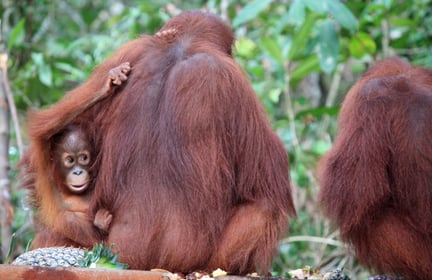
Orangutan babies spend the first two years being carried by their mothers, maintaining almost constant body contact. They nurse for 6 to 8 years, and they share nests with their mothers until they’re weaned.
Mothers slowly guide their offspring to independence. But there’s a lot to learn — when and where to find food, how to recognise and process nearly 250 different foods, and how to build an orangutan nest.
Because mothers invest so much energy into their offspring, female orangutans only give birth once every 7 to 8 years, almost always to just one baby. This allows orangutans to devote undivided attention to their young, but it also makes it difficult for orangutan populations to recover when threatened.
You can make a difference for vulnerable animals
Donate now
When you make a donation, you’ll join a passionate group of supporters who are determined to change the world for animals. We're fighting animal cruelty wherever we find it — are you with us?
Click to donateOrangutans need our help more than ever before
All three species of orangutan are critically endangered and their numbers continue to fall. Habitat destruction, illegal hunting, and the pet trade have pushed these remarkable animals to the brink.
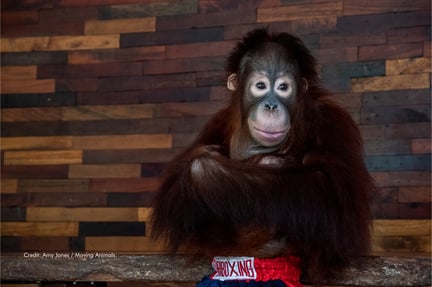
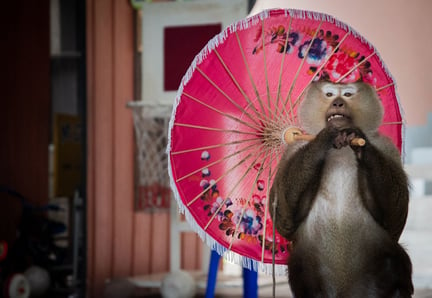
There have also been deeply troubling cases of commercial exploitation. From baby orangutans dressed in human clothing and forced to perform for tourists, to orangutans trained to perform in boxing and pole-dancing shows.
At World Animal Protection, we’re working hard to change this. We’re raising awareness, rescuing animals from cruelty, lobbying governments to improve wild animal protections, and fighting to protect orangutan habitats.
These "people of the forest" have called these rainforests home for hundreds of thousands of years. With our support, and the support of wildlife lovers across the globe, we can help them to continue to do so for generations to come.
Want to help orangutans and other wild animals? Join our global community of animal protectors today.
Related content
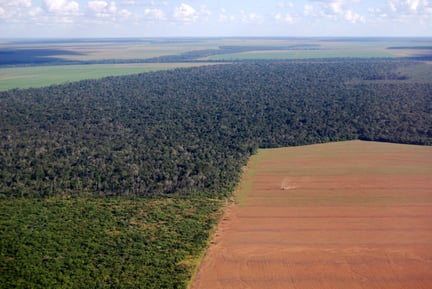
Habitat Loss & Destruction
Wildlife
Discover the causes and impacts of habitat loss, explore real-world examples, and learn how to protect and restore vital wildlife habitats worldwide.
World Orangutan Day
Animal awareness days
Held on August 19th, World Orangutan Day is the perfect time to learn more about these great apes, their lives in the wild, and the threats they face.
The Real Responsible Traveller
Your post can make a difference; call out the travel companies still failing wildlife