Animals are not entertainment – Dark truth behind captive wildlife attractions
Blog
When tourists stroll through the gates of a zoo or a wildlife park, they’re promised amusement, wonder, and conservation. But behind the scenes lies a dark truth. The animals in captivity here are often forced to endure confinement, deprivation, and distress, with no thought to their well-being, all in the name of “entertainment.”
The exploitation of animals in zoos and circuses
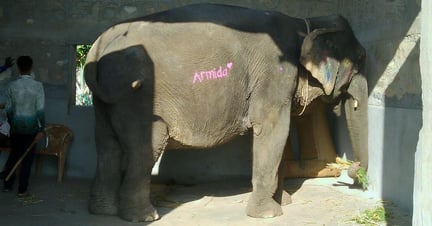
Across the world, sentient animals are being held in captivity and exploited for commercial gain. They’re forced to take part in shows, pose for selfiees, and provide rides for tourists, among many unnatural and cruel behaviours.
And while wildlife exploitation and animal cruelty in circuses are well-documented, tourist attractions facilitated by zoos often slip under the radar. But did you know that are 10,000 zoos estimated worldwide, holding millions of wild animals in captivity for our entertainment and commercial exploitation?
Here, we look at why captivity harms animals, why captive wildlife attractions are such a problem, and what alternatives you should choose to help fight against animal abuse in zoos.
Entertainment or Genuine Conservation?
Many zoos and aquariums say they keep wildlife in captivity to conserve species or to care for animals that have been rescued and would no longer survive back in the wild. The reality, however, is very different.
Many zoos do not contribute meaningfully to conservation. Instead, animals are bred in — and for — captivity, where they experience both biological issues and behavioural changes.
At World Animal Protection, we want to end animal cruelty in zoos and wildlife exploitation. We want zoos to focus their efforts on threatened species at immediate risk of extinction and channel most of their resources towards protecting wild animals in their natural habitats. Where possible, we also want them to protect wild animals that have been confiscated from the illegal wildlife trade, but cannot be returned to the wild.
How animal captivity harms wild species
So what exactly are the problems with zoos in their current state? And how does captivity harm wild species?
Keeping wild animals in captivity has a huge impact on their well-being, as living in an unstimulating, stressful environment changes their brains.
Research shows that captive animals process information less efficiently than those living in natural habitats. Their emotions and memories are irregular, and stress can lead to repetitive and harmful behaviours, including pacing, bobbing their heads, or swimming in circles. Some engage in self-destructive behaviours like gnawing on bars or running headfirst into walls.
Animal cruelty happens every day in many zoos. These are notable cases of animal cruelty occurring in zoos around the world:
- A captive tiger experienced severe eye damage after years of exposure to tourists’ flashing cameras.
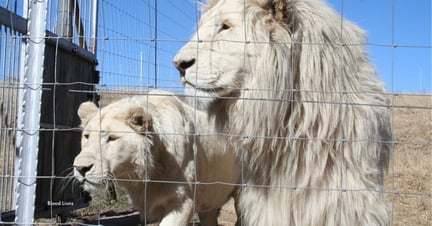
- Two lions were euthanised when wildlife sanctuary owners in New Zealand decided to close their site.
- A zoo in China sparked outrage for parading a baby orangutan like a child.
Alternatives to traditional zoos and wildlife parks
Captive wildlife attractions simply aren’t ethical. But there are zoo alternatives where it’s possible to see wild animals in settings where their welfare is the top priority.
Sanctuaries
Comparing animal sanctuaries vs zoos or wildlife parks reveals that the former benefits both the animal and the visitor, while the latter do not.
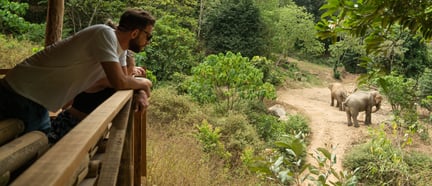
In sanctuaries, animals that cannot be released are cared for and protected for many reasons, such as permanent injuries, habituation, or being non-native. In these settings, animals are free to roam and display their natural behaviours in enclosures that mimic their natural habitats.
In genuine animal sanctuaries, safety is paramount. To identify a genuine sanctuary, look for sanctuaries that don’t allow visitors to touch or handle animals, never encourage breeding, allow animals to roam freely, and let them behave naturally.
Wildlife heritage areas
Wildlife heritage areas are responsible wildlife-watching destinations and excellent alternatives to more traditional captive wildlife experiences.
They’re part of a global programme developed by World Animal Protection and the World Cetacean Alliance that recognises destinations across the world that offer responsible opportunities to see wildlife. They incorporate high standards of animal welfare, sustainability, and nature conservation.
If you travel to one of these areas, you can be confident that animals aren’t being kept in captivity, you’re contributing to ethical wildlife tourism, collaborating with local communities and seeing wildlife in its natural habitat.
You can make a difference for vulnerable animals
Donate now
When you make a donation, you’ll join a passionate group of supporters who are determined to change the world for animals. We're fighting animal cruelty wherever we find it — are you with us?
Click to donateThe ethics of keeping animals in captivity
Sometimes animals are kept in captivity as part of a rescue or rehabilitation mission. Sanctuaries, for example, are a form of necessary, non-exploitative animal captivity. They’re very different from the harmful wildlife exploitation in zoos, circuses, and animal tourist attractions.
In harmful captivity:
- The complex behavioural, social, and environmental needs of wild animals can’t be met.
- Animals lose their autonomy. There is no freedom to choose social groups, territory, food, or movement.
- Many species develop stress behaviours and experience poor health and psychological suffering.
- Used in unethical wildlife tourism where profit is prioritised over welfare, wild animals in entertainment are forced to take part in shows, selfies, or rides.
In sanctuaries, however:
- Animals who cannot safely return to the wild (due to injury, trauma, or imprinting) are cared for.
- Animals are never bred, sold, traded, or forced into interactions with humans.
Ultimately, the ethics of keeping animals in captivity should always centre on the animal, not the visitor experience.
How you can help stop animal exploitation
You can help stop wildlife exploitation by being a responsible tourist. That means never including cruel, captive wildlife entertainment on your itinerary and never using travel companies that are failing to address animal welfare issues on their tours.
Support ethical wildlife tourism
Even if you’re not planning a trip soon, you can still help captive wildlife by supporting ethical wildlife tourism.
Using social media, we asked our supporters to call out travel companies, such as GetYourGuide, Klook, and TUI Musement, which are seriously failing wildlife.
Our collective action has put a spotlight on these companies. Klook has now announced a new animal welfare policy. But we need to keep the momentum going. We’re pushing TUI and other tour operators to prioritise animal welfare over profits.
There are many travel companies that already endorse high animal welfare and have animal policies in place. As more join this list each year, the tide is certainly turning in favour for higher animal welfare in tourism.
Join us in calling out travel companies that don’t follow ethical practices and in spreading the word about the harm animals in captivity experience.
Related content
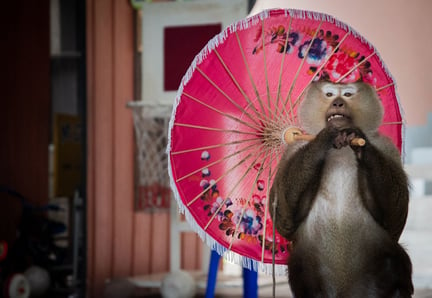
The Real Responsible Traveller
Your post can make a difference; call out the travel companies still failing wildlife
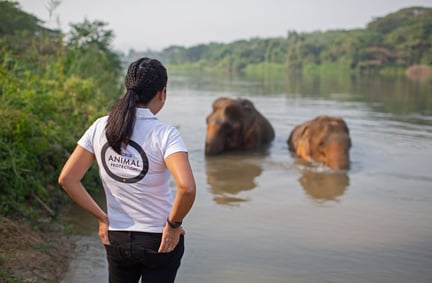
Support and resources to become a wildlife friendly organisation
Travel & tourism
World Animal Protection can support your business to become animal-friendly & meet customer needs while ending captive wildlife entertainment for good.
Elephant friendly tourist guide
Find out how to be an elephant friendly tourist and discover venues worldwide adhering to the highest standards of truly ethical animal welfare. Read more.