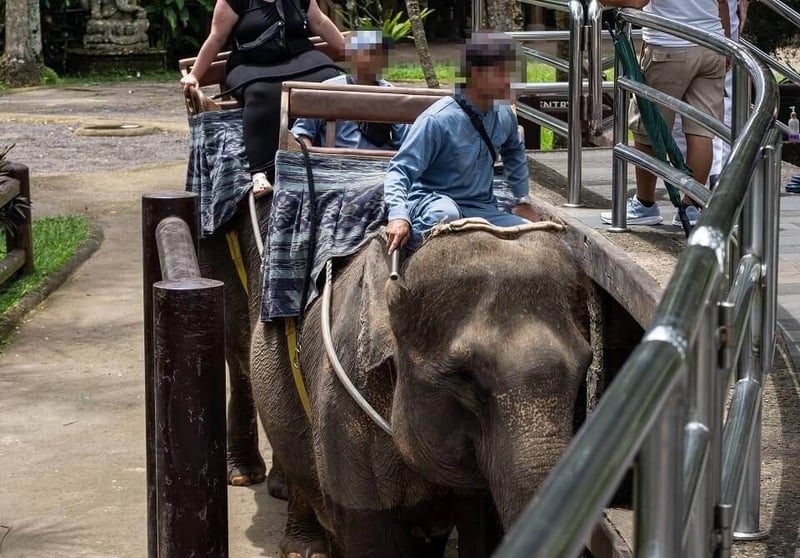
In a major victory for elephants, Indonesia has ended elephant rides, strengthening animal welfare and ethical wildlife tourism.
In a historic step for animal welfare, the Indonesian government has called for an end to elephant riding nationwide, ending one of the most controversial forms of wildlife tourism in the region.
The call follows a government directive that requires all conservation and tourist facilities to cease elephant riding activities and shift towards ethical, observation‑based experiences.
The move is a significant win for captive elephants and comes after years of campaigning from several animal welfare organisations, which have long exposed the harm caused by elephant rides and called for global action to end cruel wildlife attractions.
Government issues binding directive
At the end of 2025, Indonesia's Ministry of Forestry's Directorate General of Natural Resources and Ecosystem Conservation issued Circular Letter No. 6 of 2025, formally ending elephant riding activities at all conservation and tourism facilities across the country.
Facilities that fail to comply risk having their operating permits revoked, according to the Bali Natural Resources Conservation Agency, which has been monitoring implementation on the ground.
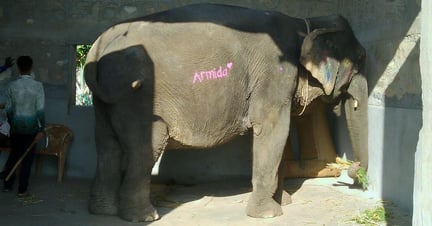
Mason Elephant Park in Bali, one of the last venues offering elephant rides, halted elephant riding on 25 January 2026 after receiving official warnings and is now transitioning towards more ethical tourism activities.
Why elephant riding harms elephants
Elephant riding is widely recognised by animal welfare scientists and experts as harmful.
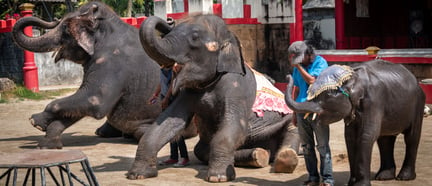
It often involves painful and stressful training methods to force elephants to accept riders, restricts their natural behaviour, and can cause long‑term physical and psychological damage.
Our investigations into wildlife tourism in Bali and Southeast Asia have repeatedly highlighted the suffering faced by elephants used for entertainment and close contact interaction.
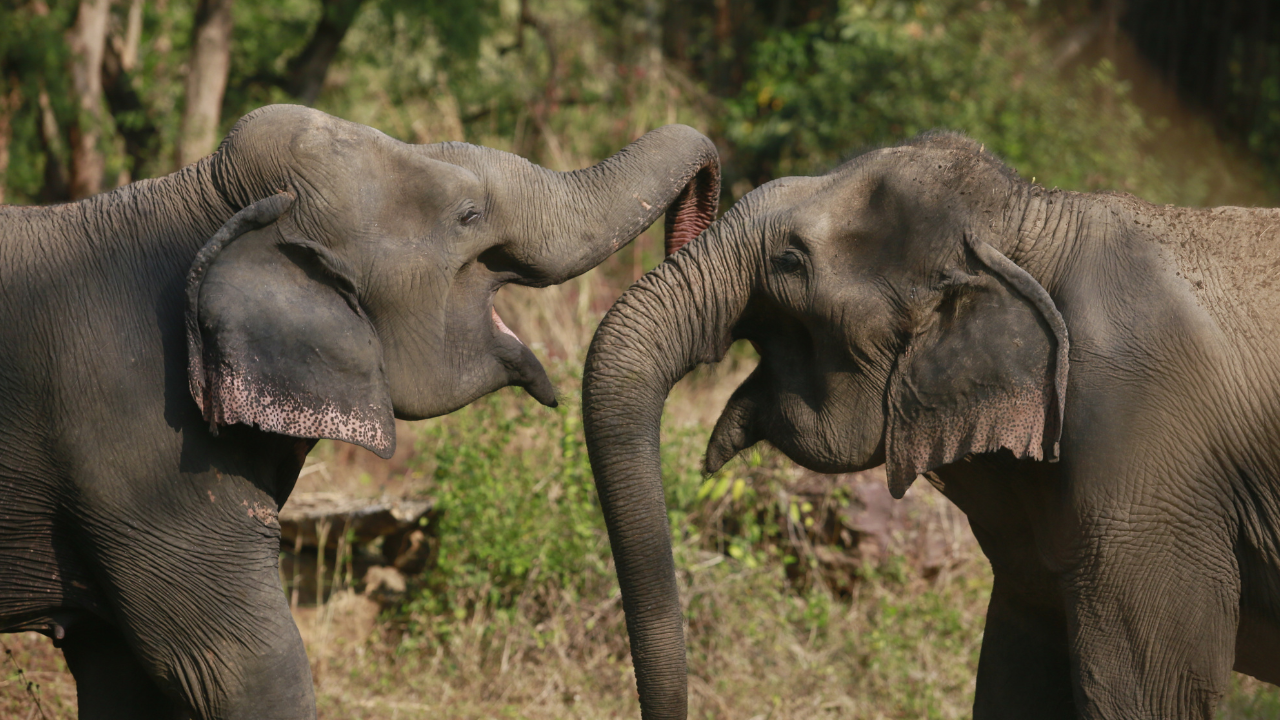
Ending elephant rides removes the need for these harmful practices and allows elephants to spend more time on natural behaviours such as socialising, grazing and bathing.
We advocate for wildlife experiences that prioritise respect for animals' wellbeing and education, rather than exploitation for entertainment.
You can make a difference for vulnerable animals
Donate now
When you make a donation, you’ll join a passionate group of supporters who are determined to change the world for animals. We're fighting animal cruelty wherever we find it — are you with us?
Click to donateA shift towards ethical wildlife tourism
The directive aligns with a growing global expectation that tourism should be responsible and humane. Facilities and venues around the world are increasingly promoting ethical wildlife encounters that focus on observation, education and conservation rather than direct contact and rides.
Our reports, including Checking Out of Cruelty and Holidays That Harm, have documented how elephant rides and similar activities exploit wild animals and fail to deliver genuine conservation benefit.
We congratulate the Indonesian Government on taking this world-leading step to safeguarding the dignity of wild animals.
The ending of elephant rides in Indonesia sends a strong signal to the wider tourism industry that we're entering a new chapter of more responsible wildlife tourism.
This wonderful win for elephants comes after years of tireless advocacy and on‑the‑ground engagement including the 10,000+ Indonesians, Australians and New Zealanders who signed our petition calling on Mason Elephant Park to end elephant riding.
What this means for travellers and tourism
For travellers, the decision helps make ethical choices clearer, reinforcing that holidays should never come at the expense of an elephant’s welfare, in Indonesia or any destination.
We encourages holidaymakers to avoid venues that promote animal exploitation and to seek out experiences that allow elephants and other wildlife to be observed in ways that respect their welfare.
Visitors can also support responsible travel companies that have animal welfare policies and promote attractions that contribute to conservation and sustainable livelihoods in local communities.
Continued advocacy for global change
While Indonesia's ban is a momentous win for elephant welfare, this needs to be part of a broader global movement to end cruelty in wildlife tourism.
We hope the momentum of this decision paves the way for an end to other cruel experiences, from circus-style shows to close-up interactions, across Indonesia and the wider Southeast Asian region.
We will continue to campaign for stronger protections for elephants and other wild animals used in entertainment, urging governments and industry leaders worldwide to follow Indonesia's example.
Related content
Supporting Elephant Venues
Sanctuaries
Discover our work supporting elephant tourism venues to transform into genuine sanctuaries where elephants can be free, to just be elephants.
Wildlife Heritage Areas
Heritage Sites
A global programme recognising responsible wildlife-watching destinations that incorporate high standards of animal welfare and biodiversity conservation
Protecting wildlife in travel & tourism
Wildlife
Would a real responsible traveller have captive wildlife entertainment on their wish list?