More than 30 wild sloths died after being captured in South America and transported to Florida for a new tourist attraction called Sloth World, according to state inspection and necropsy records.
UPDATE: Sloth World Orlando has announced that it will not open, and 13 of the surviving sloths have been relocated. Thank you to everyone who took action and wrote to Orlando officials to help make this happen.
__________________________________________
State records show that at least 31 sloths died under the care of Sloth World between late 2024 and early 2025.
The animals were imported from Guyana and Peru and held at a warehouse near Orlando’s International Drive as the company prepared to open a conservation‑branded visitor attraction.
Inspection and necropsy records obtained by Inside Climate News and published by Daily Kos show the facility was unsuitable for arboreal rainforest species.
Cold, confinement and extreme stress
According to Florida Fish and Wildlife Conservation Commission incident reports, the warehouse lacked reliable electricity and running water when the sloths arrived.
Space heaters repeatedly failed, leaving the temperature too cold for animals evolved to live high in tropical forest canopies.
Investigators documented instances where sloths were left overnight in the cold without heat. Many showed signs of emaciation, infection and systemic stress.
Necropsy reports later identified infectious disease and severe physiological strain as contributing factors to the deaths.
Ten sloths imported from Peru in early 2025 fared no better. Two arrived dead and the remaining eight were so weakened that none survived, according to state records.
This tragedy reflects a broader pattern linked to the commercial exploitation of wild animals.
Condemning wildlife trade
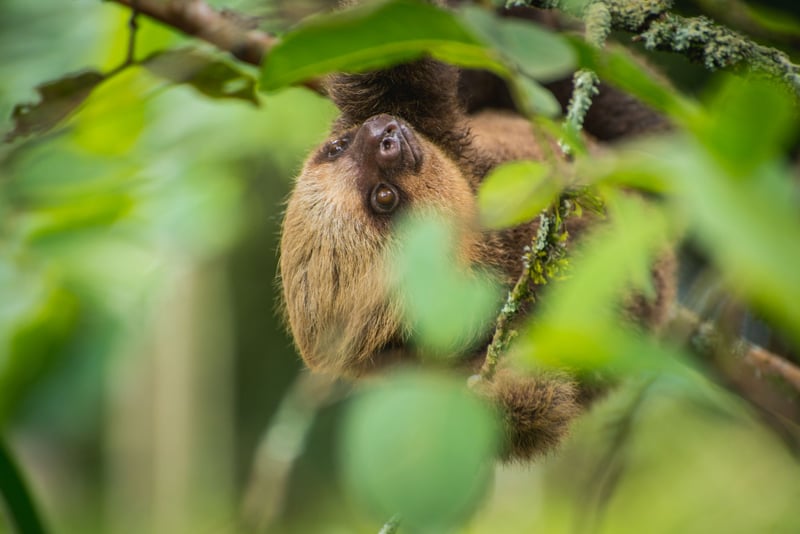
Sloths are particularly vulnerable to capture, transport and confinement. Solitary and highly specialised, they struggle to survive even short periods outside their natural environment.
The torturous conditions these sloths were subjected to are a tragic example of the cruel and unethical wildlife trade.
These solitary, reclusive animals were brutally taken from their natural habitat, left to starve and freeze, and eventually die of infection. The ruthless appetite to exploit wild animals just to make money must be addressed, and it must be done now.
We urge everyone to boycott Sloth World and to take action for the venue to be shut down immediately.
Wild animals are taken from their natural environments purely for tourism attractions, and their captive homes often offer a limited quality of life to what they need to thrive.
We are calling for an end to wildlife attractions that profit from close‑contact encounters at the expense of animal welfare. Attractions like this don't prioritise the wellbeing of the animals kept, and can pose a danger to them and the people that visit.
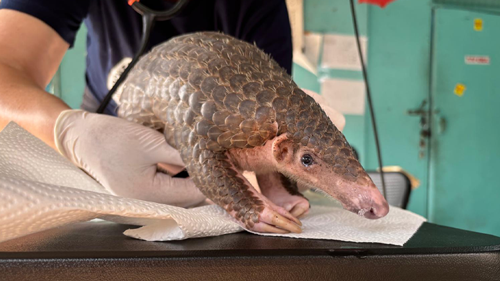
You can make a difference for vulnerable animals
Donate now
When you make a donation, you’ll join a passionate group of supporters who are determined to change the world for animals. We're fighting animal cruelty wherever we find it — are you with us?
Click to donateRegulatory questions remain
Despite the scale of the deaths, Florida Fish and Wildlife Conservation Commission records indicate that the agency did not issue citations or penalties, concluding there was no intentional wrongdoing.
Inspectors did, however, document cages that failed to meet minimum legal requirements and issued a verbal warning to the facility in 2025.
Conservation scientists argue that the lack of enforcement highlights gaps in wildlife protection laws and raises concerns about how exotic animal imports and captive facilities are monitored in the United States.
What we can do as a collective
Public pressure is now critical to prevent further deaths and to stop similar attractions from opening.
World Animal Protection US is urging the City of Orlando to shut down Sloth World and to block its operation as a tourist venue.
We are also calling on tourists to boycott attractions that offer wild animal encounters, as behind‑the‑scenes suffering is often hidden from public view.
Research who you book with and make sure you choose travel companies that have robust and authentic animal welfare policies in place. There are many who have taken the wildlife-friendly pledge which is a great place to start.
Avoid anywhere that promotes close interactions with wild animals. Seeing animals hands-off, living safely in their natural habitats is the most ideal as it won't harm the animals and can benefit local communities.
Related content
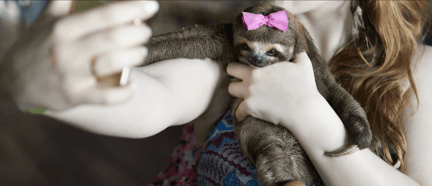
Wildlife Selfie Code
Many people offering wildlife selfies in the Amazon search treetops for sloths to steal. Don’t be part of this ugly picture: make sure your wildlife selfies are cruelty-free.
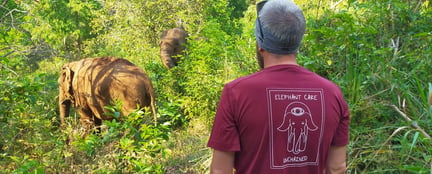
Wildlife Heritage Areas
Heritage Sites
A global programme recognising responsible wildlife-watching destinations that incorporate high standards of animal welfare and biodiversity conservation
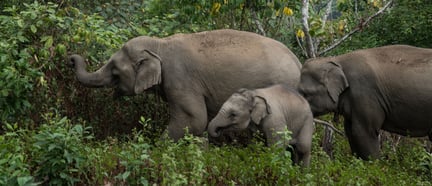
Responsible Travel Companies Pledged to Protect Wildlife
Travel & tourism
Discover travel companies around the world taking a pledge to become wildlife-friendly, refusing to promote and sell tickets for cruel animal attractions.