Habitat Loss & Destruction
Wildlife
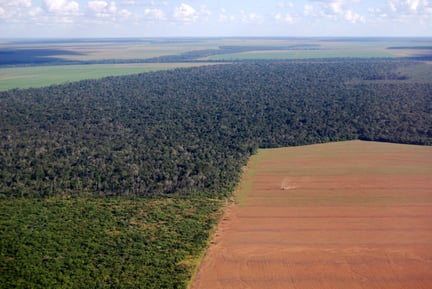
Discover the causes and impacts of habitat loss, explore real-world examples, and learn how to protect and restore vital wildlife habitats worldwide.
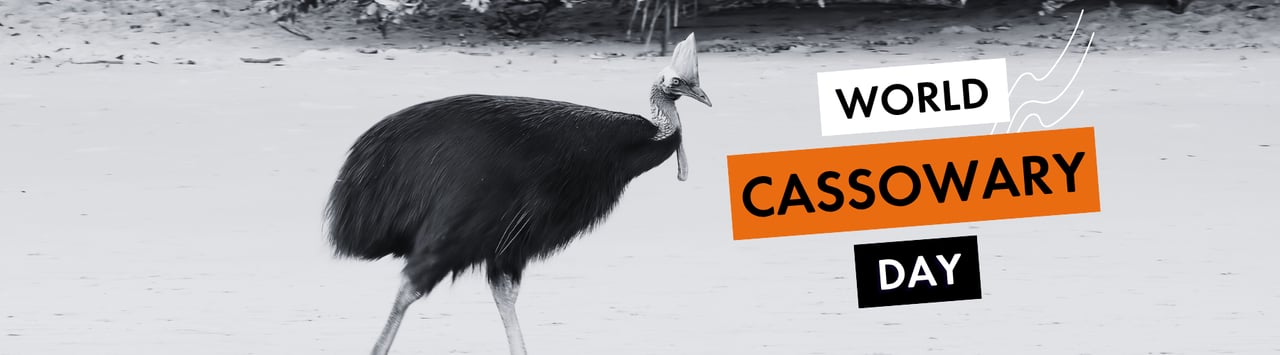
Cassowaries are large, flightless birds. They’re sometimes labelled as dangerous. But attacks on humans are rare and usually linked to feeding or provocation.
This unfair reputation distracts from the beauty of cassowaries and the critical role they play in their rainforest ecosystems.
Cassowaries are rainforest gardeners, dispersing and sometimes even germinating the seeds of rainforest trees.
Want to go beyond the scare stories to discover the real cassowary? World Cassowary Day is the perfect opportunity.
World Cassowary Day is a celebration of cassowaries. It’s a chance to learn more about these distinctive birds, their characteristics, and behaviours.
It’s also an opportunity to raise awareness of the threats cassowaries face, including habitat loss, vehicle collisions, and dog attacks.
By coming together on this date, we can support cassowary conservation and habitat protection.
World Cassowary Day is celebrated annually on the 26th of September. In 2026, this date falls on a Saturday.
World Cassowary Day is celebrated annually on the 26th of September. In 2026, this date falls on a Saturday.
Cassowaries are large, flightless birds. And they’re closely related to emus. They have bright blue necks, a red wattle, and a horn-like helmet on their heads.
Cassowaries live in tropical rainforests in northern Australia (in Queensland) and on the island of New Guinea.
The cassowary has been unfairly branded as dangerous. Its kick can break bones. But these birds aren’t naturally aggressive. Attacks are rare and only occur when cassowaries are provoked or cornered.
Cassowaries are not globally endangered but populations are decreasing. In Australia, the southern cassowary is listed as endangered under national environment law.
These animals are threatened by habitat loss and fragmentation, vehicle collisions, and dog attacks.
Human interactions also pose a threat. When people feed cassowaries, the birds become used to being around humans. This makes them more vulnerable to vehicle strikes and dog attacks.
These birds need our help. Here’s what you can do to protect cassowaries.
If you’re here on the 26th of September, Happy World Cassowary Day! Take a look at these ways to celebrate.
Donate now
When you make a donation, you’ll join a passionate group of supporters who are determined to change the world for animals. We're fighting animal cruelty wherever we find it — are you with us?
Click to donateCassowaries primarily eat fruit that has fallen from trees. But they also eat insects, fungi, snails, small dead mammals, and over 238 species of plants.
No, cassowaries can’t fly. They are flightless birds, like penguins, emus, ostriches, and kiwis.
All birds are descended from dinosaurs. Cassowaries retain certain “prehistoric” traits, which is why they are sometimes referred to as “living dinosaurs”.
They have a horn-like helmet on their heads, called a casque, and three-toed feet with a central, dagger-like nail that can measure up to 5 inches long.
Cassowaries are the third largest birds in the world. They can measure up to 2 metres tall. Females weigh up to 76 kilograms and males weigh up to 55 kilograms.
Wildlife
Discover the causes and impacts of habitat loss, explore real-world examples, and learn how to protect and restore vital wildlife habitats worldwide.

Wildlife
Together we can drive down consumer demand and expose the lies of businesses that profit from cruelly exploiting wild animals.

Sentience
Let's celebrate animals! Enjoy our list of official and unofficial animal awareness days observed around the world, nationally, and internationally.
Blog
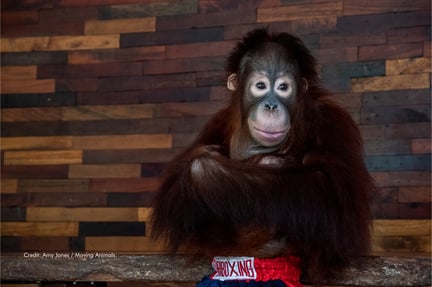
Orangutans are being taken from the wild for the illegal pet trade. Learn how it happens, what happens...
Blog
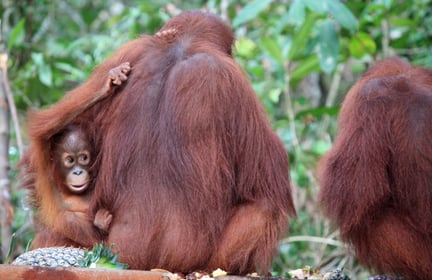
Discover the world of female orangutans, from lifelong mother-infant bonds to the family dynamics that shape every generation...
Blog
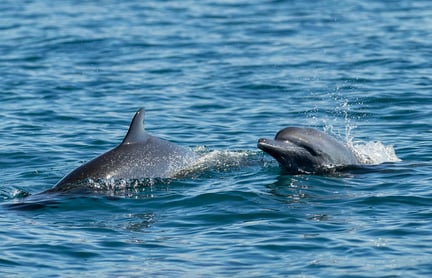
Discover different types of dolphins, from bottlenose dolphins to pink river dolphins. Learn about their traits, habitats, threats,...
Blog
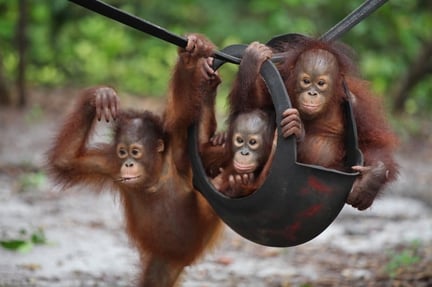
Discover 7 fun facts about orangutans, from what their name means to why all three species are critically...