Animals in Communities
Helping governments to manage dog populations humanely and to vaccinate against rabies, instead of culling animals - especially dogs.
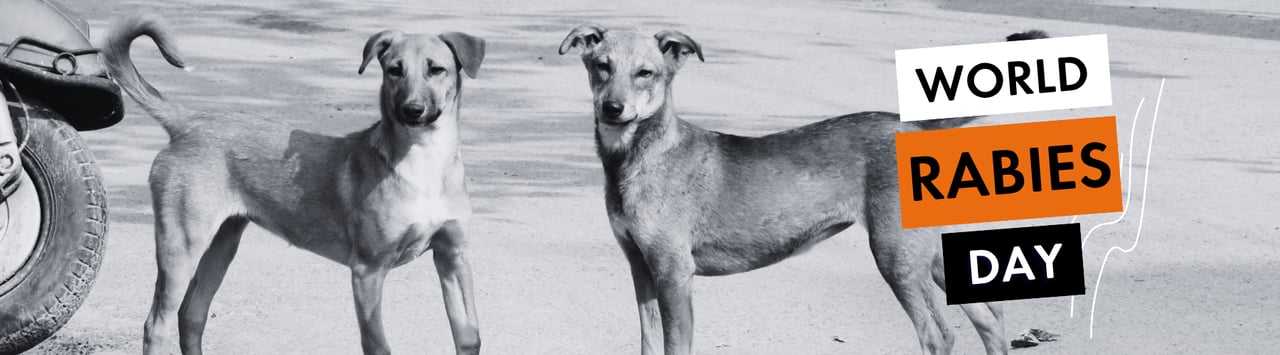
World Rabies Day is an annual awareness day, created to draw attention to the humans and animals affected by rabies.
Rabies kills tens of thousands of people every year. Over 10 million dogs are also culled every year in misguided attempts to control the disease.
Here, find out when World Rabies Day is held and how you can support the event.
Rabies is a disease that spreads between mammals. It attacks the central nervous system and kills an estimated 59,000 people every year, many of them children under 15.
Rabies is a serious public health problem in over 150 countries, primarily in Asia and Africa. And the World Health Organization (WHO) has set a goal to end human deaths from dog-transmitted rabies by 2030.
Rabies spreads via saliva. So if a rabid animal bites, scratches, or licks a person’s eyes, nose, mouth, or an open wound, the person can catch rabies.
Dog bites and scratches cause 99% of human rabies cases. Other mammals, including bats, racoons, and foxes, also spread rabies.
Once a human or animal shows symptoms of rabies, the disease is 100% fatal.
People who think they have come into contact with rabies should seek immediate medical help. Treatment with medicine and the rabies vaccine can prevent rabies from developing.
The best way to prevent rabies infections is with vaccinations for both humans and animals. Dog culling isn’t an effective solution.
Vaccinating at least 70% of dogs in high-risk areas is now considered the most effective way to prevent human rabies deaths.
World Rabies Day (also known as Rabies Awareness Day) is held on the 28th of September every year.
It’s a chance to raise awareness of rabies, to support programs that are trying to eliminate human deaths from dog-transmitted rabies, and to protect dogs from culling.
Treating a person who has been bitten by a rabid dog costs $108USD on average. It’s much cheaper to vaccinate a dog, just $3USD.
So on World Rabies Day, organisations highlight the importance of dog vaccinations and raise funds for both animal and human vaccination programs.
This year, you can recognise World Rabies Day in any of the following ways:
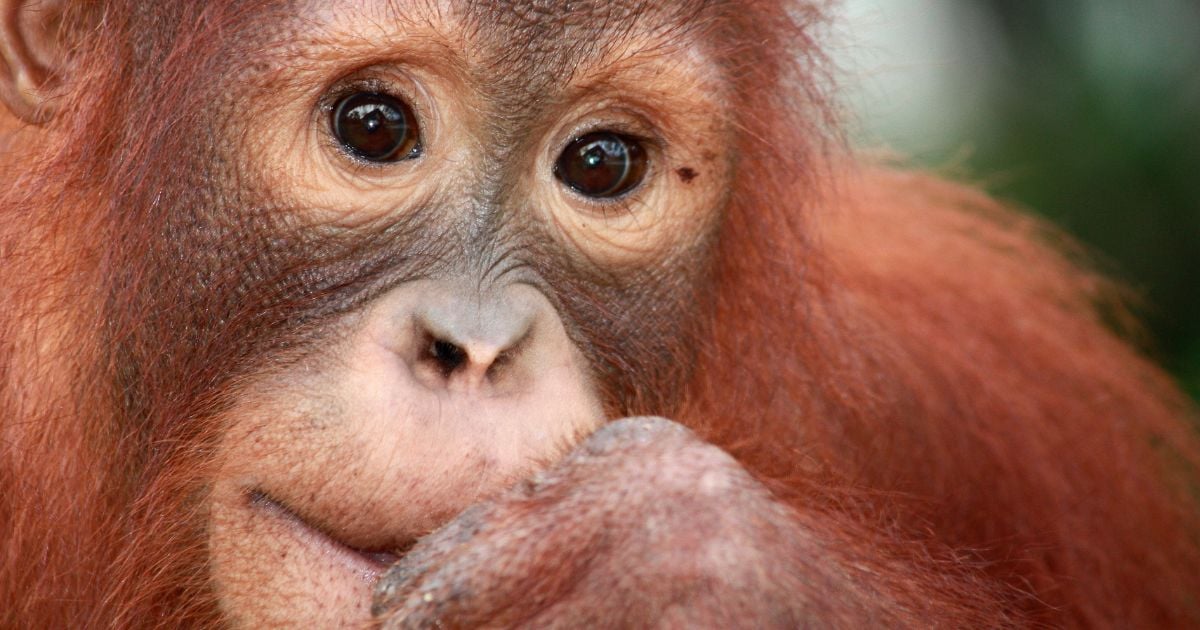
Donate now
When you make a donation, you’ll join a passionate group of supporters who are determined to change the world for animals. We're fighting animal cruelty wherever we find it — are you with us?
Click to donateNo, only mammals get rabies. Infected animals can pass rabies to other mammals, including dogs, cats, livestock, wildlife, and humans.
Any mammal can carry rabies. The primary source of rabies infections is dogs. But other mammals, including bats, racoons, skunks, and foxes, can also transmit the disease.
Yes, humans can get rabies. People who aren’t vaccinated, either before or after exposure to rabies, can catch the disease from animal bites and scratches. They can also catch rabies if an infected animal licks their eyes, mouth, nose, or an open wound.

Helping governments to manage dog populations humanely and to vaccinate against rabies, instead of culling animals - especially dogs.
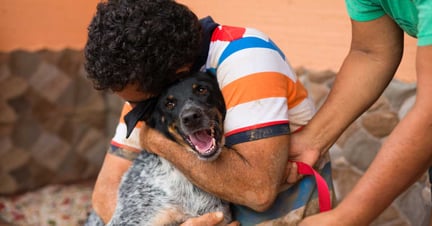
Sentience
Let's celebrate animals! Enjoy our list of official and unofficial animal awareness days observed around the world, nationally, and internationally.

Wildlife
Take action with World Animal Protection to disrupt industries exploiting animals & work on innovative solutions to safeguard wild animals from cruelty.

Blog
Orangutans are being taken from the wild for the illegal pet trade. Learn how it happens, what happens...
Blog
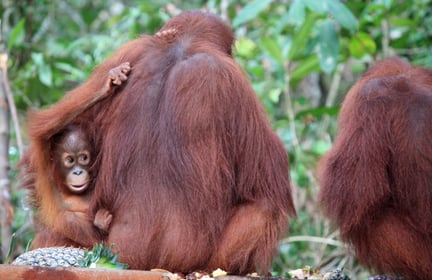
Discover the world of female orangutans, from lifelong mother-infant bonds to the family dynamics that shape every generation...

Blog
Discover different types of dolphins, from bottlenose dolphins to pink river dolphins. Learn about their traits, habitats, threats,...

Blog
Discover 7 fun facts about orangutans, from what their name means to why all three species are critically...