Responsible Travel Companies Pledged to Protect Wildlife
Travel & tourism
Discover travel companies around the world taking a pledge to become wildlife-friendly, refusing to promote and sell tickets for cruel animal attractions.
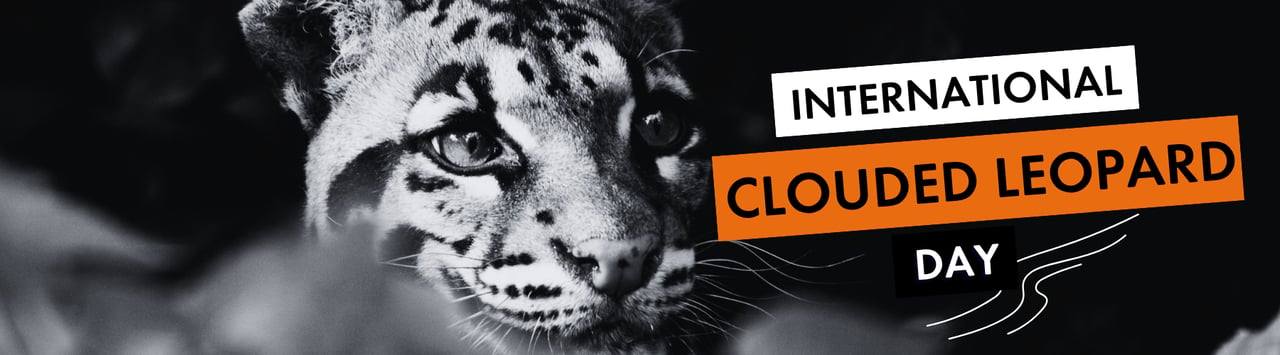
On International Clouded Leopard Day 2026, celebrate these fascinating felines by learning more about them, the threats they face, and what you can do to protect them.
The secretive and little-known clouded leopard is the smallest of the big cats. It has large, cloud-like markings and a tail that’s almost as long as its head and body.
There are two species, the mainland clouded leopard and the Sunda clouded leopard. Both are found in South or Southeast Asia and both are exceptional climbers.
International Clouded Leopard Day (also called National Clouded Leopard Day) is held on 4th August every year. It was founded in 2018 by The Aspinall Foundation and was first observed at Howletts Wild Animal Park in the United Kingdom.
Clouded Leopard Day is an opportunity to celebrate these elusive, sentient animals. It’s also a chance to highlight the threats they face, including habitat loss and the illegal wildlife trade, and the need for better clouded leopard protections.
Both species — the mainland clouded leopard and the Sunda clouded leopard — are listed as vulnerable to extinction by the IUCN, and their populations are decreasing. Here are some of the threats they face.
The creation of palm oil plantations and urban infrastructure is leading to clouded leopard habitat loss. 34% of mainland clouded leopard habitat was lost between 2000 and 2018. And the islands of Borneo and Sumatra, which are home to the Sunda clouded leopard, have experienced some of the highest deforestation rates in the world.
Clouded leopards are captured or killed for use in the illegal wildlife trade. Skins and body parts are used in traditional medicine and for ceremonial clothing. Meat is used in exotic dishes. These secretive, solitary animals are also sold as exotic pets and to cruel big cat tourist attractions.
Clouded leopards are sometimes caught in snares set for other animals. If they prey on livestock, local communities may hunt them down in retaliation. Clouded leopards are also impacted by prey depletion. Their prey animals are overhunted for local meat markets.
International Clouded Leopard Day is a reminder that these intelligent and sentient animals need our protection, from habitat loss, hunting, and commercial exploitation.
Want to mark International Clouded Leopard Day 2026 by taking meaningful action for this vulnerable species? Here’s what you can do:
Discover other animal awareness days and donate to protect wildlife today.
Donate now
When you make a donation, you’ll join a passionate group of supporters who are determined to change the world for animals. We're fighting animal cruelty wherever we find it — are you with us?
Click to donateThe mainland clouded leopard lives in South and Southeast Asia, in countries including Bangladesh, China, India, Nepal, and Thailand. The Sunda clouded leopard is only found in Brunei, Indonesia, and Malaysia.
Clouded leopards are carnivores. They eat a wide range of prey, including small deer, monkeys, squirrels, pangolins, wild boar, and birds.
Clouded leopards weigh between 11 and 25 kg. That’s tiny compared to a tiger, which can weigh up to 325 kg. Their bodies are between 60 and 108 cm long, with their exceptionally long tails adding another 61 to 91 cm to their overall length.
Clouded leopards can be active at any time of the day or night. But they’re most likely to be active during night and twilight hours.
According to the IUCN, there are between 3,700 and 5,580 mature mainland clouded leopards and around 4,500 mature Sunda clouded leopards left in the wild.
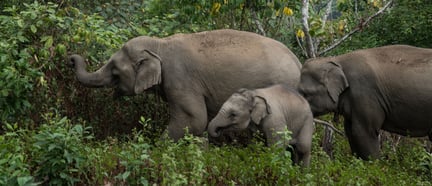
Travel & tourism
Discover travel companies around the world taking a pledge to become wildlife-friendly, refusing to promote and sell tickets for cruel animal attractions.

Sentience
Let's celebrate animals! Enjoy our list of official and unofficial animal awareness days observed around the world, nationally, and internationally.
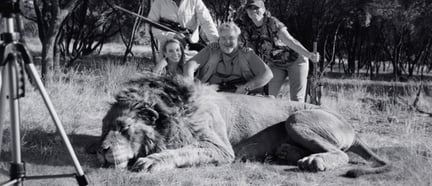
Wildlife
Find out more about trophy hunting and why the outdated and inhumane bloodsport will never be an acceptable approach to wildlife conservation.
Blog
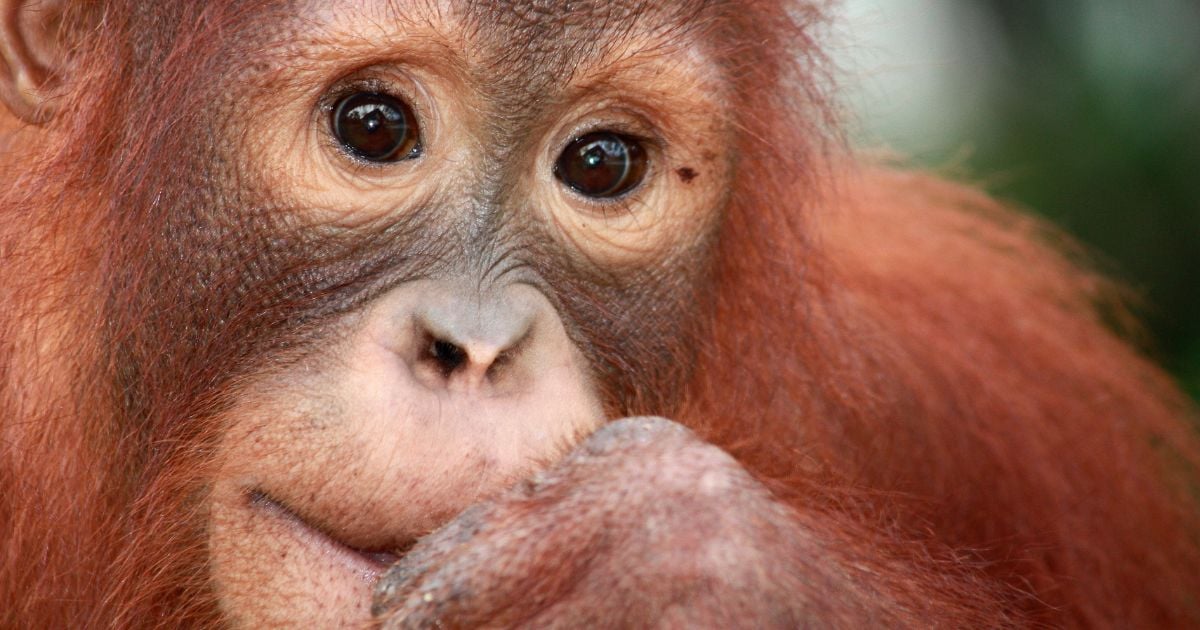
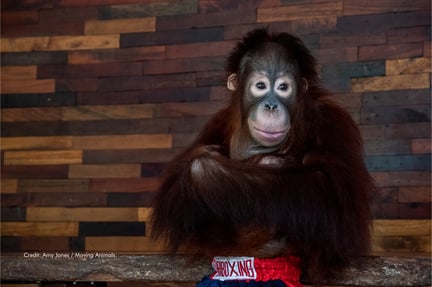
Orangutans are being taken from the wild for the illegal pet trade. Learn how it happens, what happens...
Blog
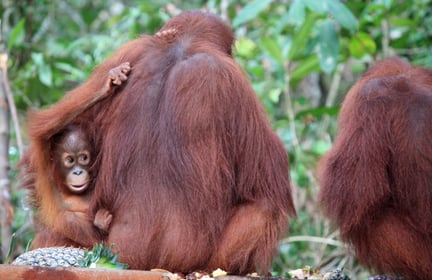
Discover the world of female orangutans, from lifelong mother-infant bonds to the family dynamics that shape every generation...
Blog
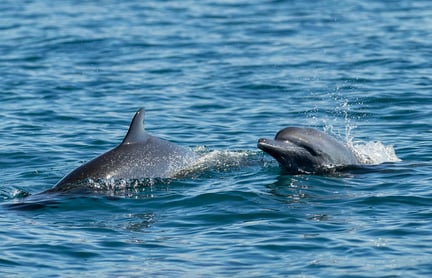
Discover different types of dolphins, from bottlenose dolphins to pink river dolphins. Learn about their traits, habitats, threats,...
Blog
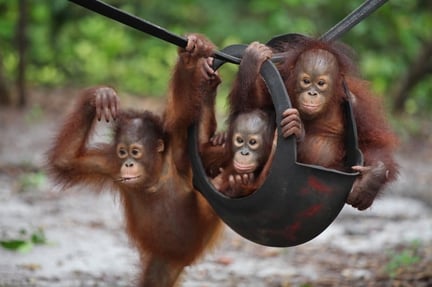
Discover 7 fun facts about orangutans, from what their name means to why all three species are critically...