Tourist death at elephant camp exposes dangers of captive wildlife tourism
News
A tourist has died after a clash between captive elephants at India’s Dubare Elephant Camp, renewing urgent concerns about wildlife tourism and human safety.
A tourist has died after being caught in a clash between two elephants at a wildlife tourism site in southern India, prompting renewed scrutiny of close-contact experiences with captive animals.
Latest reports also state that the captive elephant, Marthanda, sustained severe injuries and has also passed.
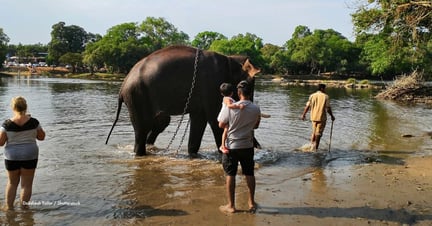
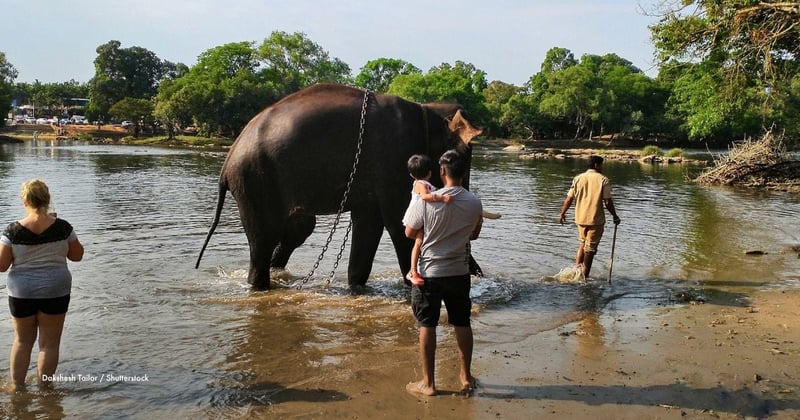
The incident took place at the Dubare Elephant Camp in Karnataka’s Kodagu district, where visitors gather to watch elephants being bathed and, until recently, interact with them at close range.
The 33-year-old tourist was visiting the camp with her family when two elephants began fighting during a routine bathing session in the Cauvery River.
Handlers were unable to regain control, and during the clash one elephant lost balance and fell, trapping the woman underneath. She died at the scene from her injuries. Our thoughts are with the victim’s loved ones at this difficult time.
Both elephants were held in captivity at the camp. The incident has led authorities to tighten safety measures, including restricting visitor access and banning close-contact activities such as feeding, bathing and photography with the animals.
Pressure grows on elephant tourism practices
Dubare is one of several elephant camps in India where tourists are offered close interactions, inclduing bathing sessions and photo opportunities.
These types of activities have faced increasing scrutiny in recent years, as fatal incidents involving wildlife keep occuring. Public awareness has also grown considerably around the cruelty involved in elephant training techniques.
Elephants used in tourism are often kept in controlled environments that limit their natural behaviours, and high visitor numbers can add to stress, which can risk public safety and animal welfare.
Direct contact between people and wild animals will always carry risks, regardless of how long the animals have been trained.
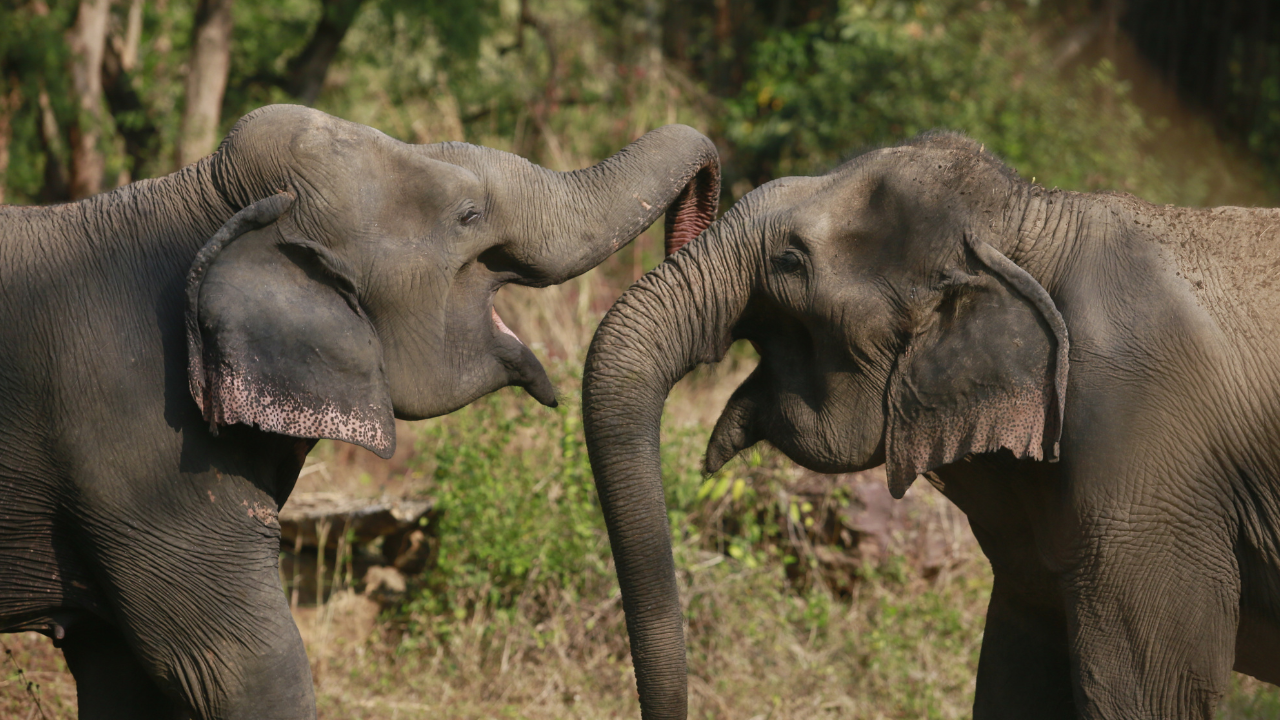
You can make a difference for vulnerable animals
Donate now
When you make a donation, you’ll join a passionate group of supporters who are determined to change the world for animals. We're fighting animal cruelty wherever we find it — are you with us?
Click to donateWe are saddened to share that Marthanda, the captive elephant who sustained severe injuries during the recent clash between two elephants at the Dubare Elephant Camp in Kodagu, Karnataka, an incident that also led to the tragic death of a tourist, has also died.
This latest development further highlights the serious welfare concerns and risks associated with keeping wild elephants in captivity for tourism, entertainment, and close human interactions.
We urge the Karnataka authorities to conduct a thorough investigation into the incident, strengthen monitoring of captive elephant facilities, and take urgent steps towards ending practices that exploit elephants for tourism and entertainment. We also reiterate the need to explore rehabilitation and possible release opportunities for forest camp elephants, wherever feasible.
Elephants are wild animals. They belong in the wild, not in captivity.
Keeping a safe distance from wildlife
Elephants, like all wild animals, are not suited to close, hands-on encounters with people.
This incident shows that putting wildlife into tourism settings, especially those built around direct interaction, can put both animals and visitors at risk.
Seeing elephants in real life can be a tourist's dream come true, but all animals deserve proper respect and care. Watching elephants from a distance, in their natural habitat is the best way to witness them.
Whereas venues that choose to exploit them through unnatural activities like bathing or painting are not prioritising the welfare of the animals involved. We encourage everyone to research before booking activities and spot the signs of elephant exploitation such as captive breeding and unnatural performances.
Related content
10 Amazing Elephant Facts You Should Know
Blog
Discover 10 powerful facts about elephants, their intelligence, and emotional lives — and why their freedom is so important. See how you can help protect them.
The Best Ways to See Elephants Without Harming Them
Blog
Discover how you can see elephants in a humane way without supporting harmful tourism practices.
Animals Are Not Entertainment - Truth Behind Captive Wildlife Attractions
Blog
Discover the truth behind captive wildlife attractions. Learn why these cruel practices harm animals and how we can stop animal exploitation in tourism.