Freshwater Dolphin Day
Animal awareness days
Celebrate International Freshwater Dolphin Day with us on October 24th and find out about the threats they face and what you can to do help.
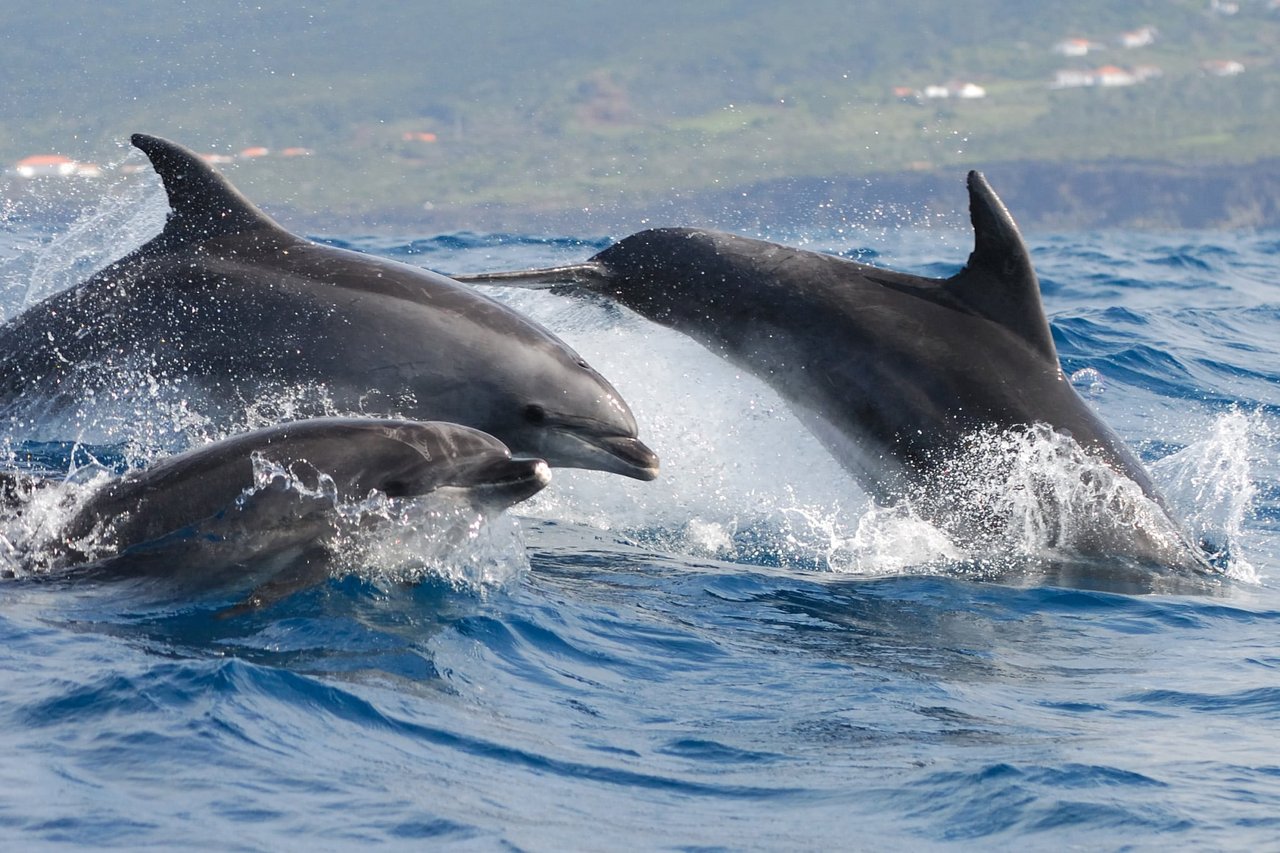
Welcome to our Dolphin hub — your base for all World Animal Protection dolphin facts and news.
Dolphins are among the most intelligent and socially complex animals on Earth. They communicate with one another, form deep bonds, and even display empathy.
As marine and freshwater predators, they also play a vital role in balancing the food chain and in maintaining healthy ecosystems.
But dolphins are under threat. Habitat loss, pollution, hunting, and climate change are harming dolphin populations. Meanwhile, cruel dolphin entertainment venues continue to exploit these sentient wild animals for profit.
Here, you can learn more about these fascinating mammals and what you can do to protect them.
Dolphins are highly intelligent animals. They live in complex social groups and use distinctive “signature whistles” that can identify individual dolphins, functioning in a similar way to names. They also demonstrate self-awareness and experience a range of emotions.
Here, you can discover more dolphin facts, including information on dolphin welfare and when dolphin awareness days are celebrated.
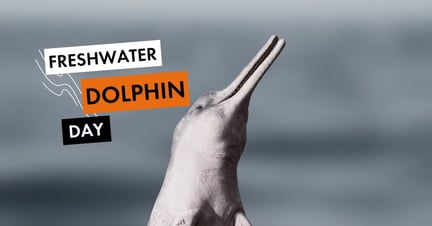
Animal awareness days
Celebrate International Freshwater Dolphin Day with us on October 24th and find out about the threats they face and what you can to do help.
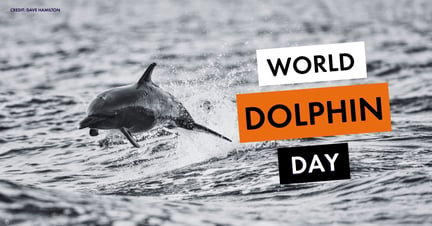
Celebrate World Dolphin Day 2026 and learn how to protect dolphins worldwide. Join World Animal Protection and take action today to defend dolphin species.
Blog
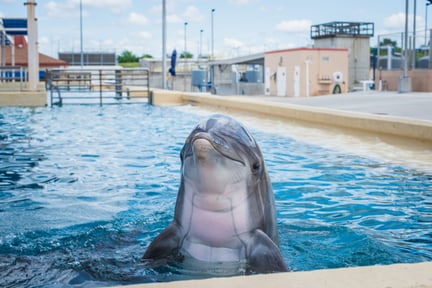
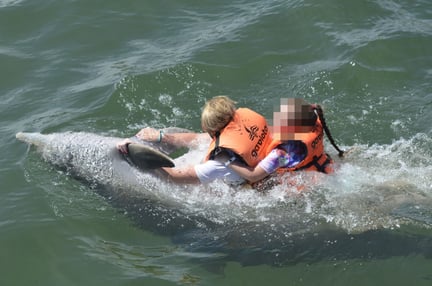
The cruel, multi-billion dollar captive dolphin industry relies on lies to keep visitors in the dark. Don't be fooled – dolphins belong in the wild
News
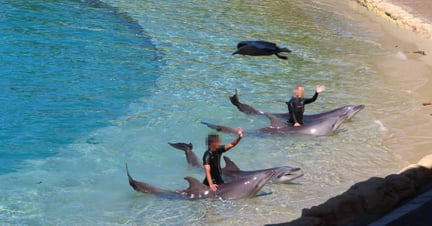
The tourism industry has painted dolphins as smiling playmates. But what dangers does the captive dolphin industry pose?
Blog
Learn about the reasons behind the suffering of captive dolphins, their behaviour in their natural habitat, and responsible tourism practices.
Dolphins are intelligent and sentient animals with complex physical, emotional, and social needs. But dolphins face a number of threats. From habitat loss to entanglement, hunting to captive breeding, human activity is putting dolphin welfare and survival at risk.
In some parts of the world, dolphins are still legally hunted. As part of the Taiji dolphin hunts in Japan and the Grindadrap on the Faroe Islands, dolphins are herded into shallow waters. Here, they are butchered for their meat — or sold for a high profit to dolphin entertainment venues.
Hundreds, and sometimes thousands, of dolphins are killed in this brutal way every year, causing severe suffering and harm to wild dolphin populations.
Over 3,000 dolphins are held captive within the dolphin tourism industry. Dolphins are taken from the wild or bred in captivity to supply dolphin entertainment venues.
Young dolphins are routinely separated from their mothers. They live in cramped, stressful, and unnatural conditions. They’re deprived of food and forced to perform tricks.
At World Animal Protection, we believe that all animals have a right to a wild life. That’s why we’re campaigning to end the commercial exploitation of dolphins.
Human activity is causing habitat loss and degradation in the oceans and rivers that dolphins call home. Pollution, ocean exploitation, and climate change are damaging marine and freshwater ecosystems, putting dolphin health at risk and disrupting their natural behaviours.
River dolphins, in particular, are threatened by the creation of dams and reservoirs, and by pollution, which impacts both dolphins and the survival of the fish they feed on.
Overfishing can disrupt marine ecosystems and the availability of prey that dolphins depend on. Over one-third of fish stocks are fished at biologically unsustainable levels.
The fishing industry harms dolphins in other ways, too. Some dolphins are accidentally caught by fishers as bycatch. This can result in injury and death.
Thousands of dolphins also become tangled in ghost gear — fishing lines, nets, and traps that have been lost or abandoned in the ocean. 640,000 tonnes of this gear are discarded annually.
Explore our latest reports and research on dolphins, including insights into dolphin hunting, dolphin entertainment venues, and the suffering that dolphins experience in captivity.
TUI Group is one of the world’s largest travel companies — and it’s driving demand for the captive whale and dolphin tourism industry. This report exposes TUI Group’s attempts to mislead customers with empty claims on welfare standards they simply do not meet, and its promotion of entertainment venues that commercially breed dolphins and whales.
Every year, the coves of Taiji in Japan run red with blood as hundreds of dolphins are cruelly chased and trapped. Some are slaughtered for their meat. Others are sent to captive dolphin entertainment venues. This report explores the links between the Taiji dolphin hunt, cetacean entertainment venues, and the travel companies that profit from them.
Dolphins in captivity may look like they’re smiling. But snatched from the wild, bred in captivity, and forced to live in small concrete tanks, dolphins experience health issues, stress, and suffering. In this report, we expose the impact captivity has on dolphins, the venues that are exploiting them, and the huge amounts of money that keep this industry in action.
World Animal Protection works to protect dolphins — by challenging the systems that exploit them and by promoting responsible alternatives. We also support a range of initiatives that allow wild animals to live wild lives.
Learn more about our campaigns below.
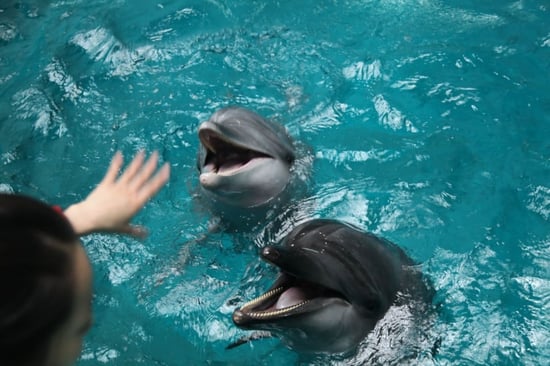
Captive dolphin entertainment shouldn’t be on anyone’s travel itinerary. Discover how we’re championing dolphins’ right to a wild life.
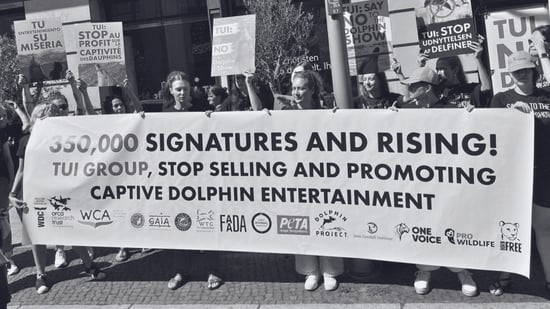
Travel company, TUI, is profiting from dolphin shows and captive dolphin breeding. We’re holding TUI, and the whole travel industry, to account.
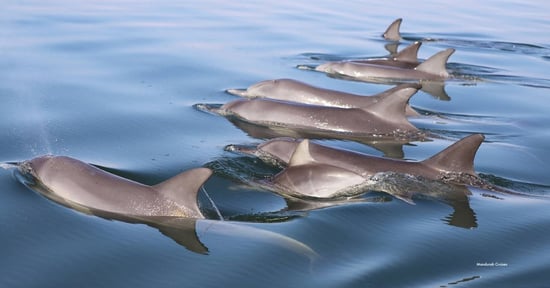
Supporting the creation of dolphin sanctuaries
Sea sanctuaries offer a safe, natural environment for dolphins rescued from captivity. Find out how we’re supporting these protected marine zones.
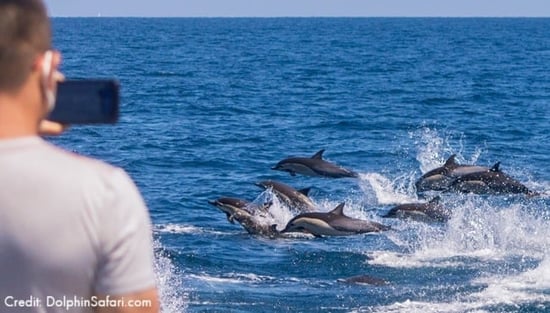
We’re making it easy for tourists to find responsible wild dolphin and whale watching experiences through the creation of Whale Heritage Areas.
Discover the latest news about dolphins and dolphin conservation.
News
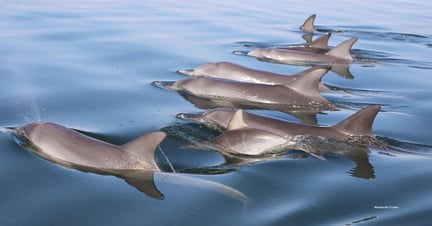
Dertour will stop selling captive dolphin experiences. We urge travel companies worldwide to follow and protect dolphins in the wild.
News
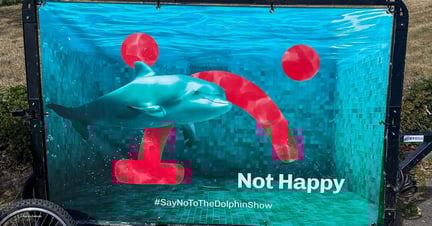
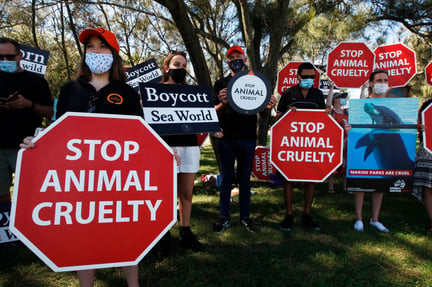
Animal groups protest at TUI HQ urging an end to dolphin and whale captivity shows. Over 750,000 voices demand change.
News
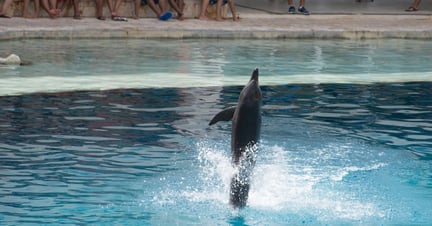
Captive dolphin Plata dies during a live show at a Mexican hotel raising concerns over dolphin captivity and the cruelty of marine park tourism.
News
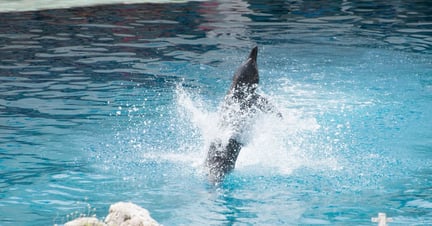
Mexico’s environmental authority has suspended shows at a Riviera Maya hotel dolphinarium and is conducting inspections at all dolphinariums nationwide.
News
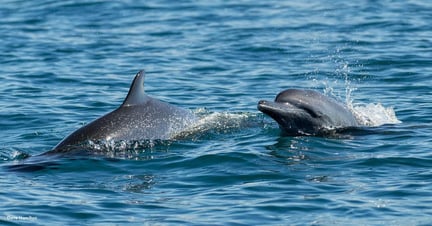
The Mexican Congress has approved a nationwide ban on dolphin shows and the use of marine mammals in entertainment.
Dolphins across the world need our help.
Protecting them means changing the systems that exploit them. We need to defend dolphin habitats, reduce demand for captive dolphin entertainment, and champion responsible tourism.
Everyone can make a difference. Here’s what you can do to support dolphins and the habitats they depend on:
Your donation allows us to continue our work developing dolphin sea sanctuaries, promoting responsible tourism, lobbying governments, and holding the travel industry to account. It helps to ensure that dolphins can live wild lives in healthy habitats.
Heritage Sites
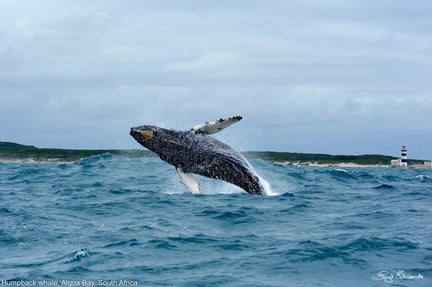
World Animal Protection in partnership with World Cetacean Alliance recognise outstanding destinations for responsible wild whale and dolphin watching
Find out how you can support us in our work to move the world to protect animals both in the wild and commercial food systems. Take action now!