Whale Heritage Areas
Heritage Sites
World Animal Protection in partnership with World Cetacean Alliance recognise outstanding destinations for responsible wild whale and dolphin watching
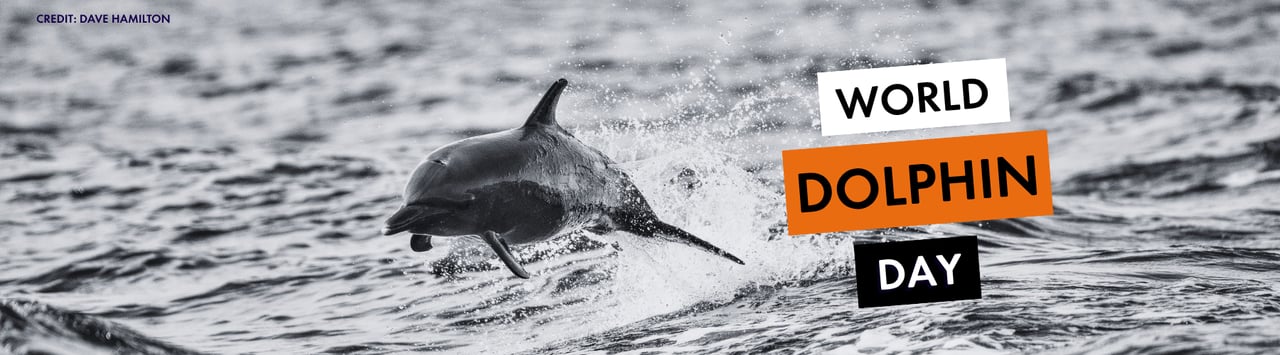
Renowned for their intelligence and complex social behaviours, dolphins are some of the most captivating creatures in our oceans and rivers.
On World Dolphin Day, celebrate these incredible aquatic mammals by learning more about them, the threats they face, and what you can do to protect them.
World Dolphin Day (also known as International Dolphin Day and Dolphin Awareness Day) is held on 12th September each year.
The day is an opportunity to celebrate dolphins, to share information about their intelligence and sentience, and to promote conservation initiatives.
It’s also a chance to raise awareness of the threats dolphins are facing. These include hunting, commercial exploitation, entanglement in fishing gear, and habitat loss due to human activities.
Dolphins use a unique whistle to identify each other, much like humans use names. When dolphins hear their own whistle played back to them, they respond. Researchers think this skill helps dolphins stick together even when they can’t see one another.
Dolphins are deeply social animals, living in groups called pods that can range from a handful of individuals to hundreds. Within these pods, they form close bonds, hunt cooperatively, and look out for each other. They support injured or sick pod members and help females during birth.
River dolphins are apex predators and a keystone species. Where river dolphin populations thrive, the wider ecosystem tends to as well. Sadly, all river dolphin species are currently threatened or endangered. This is concerning for the ecosystem as a whole.
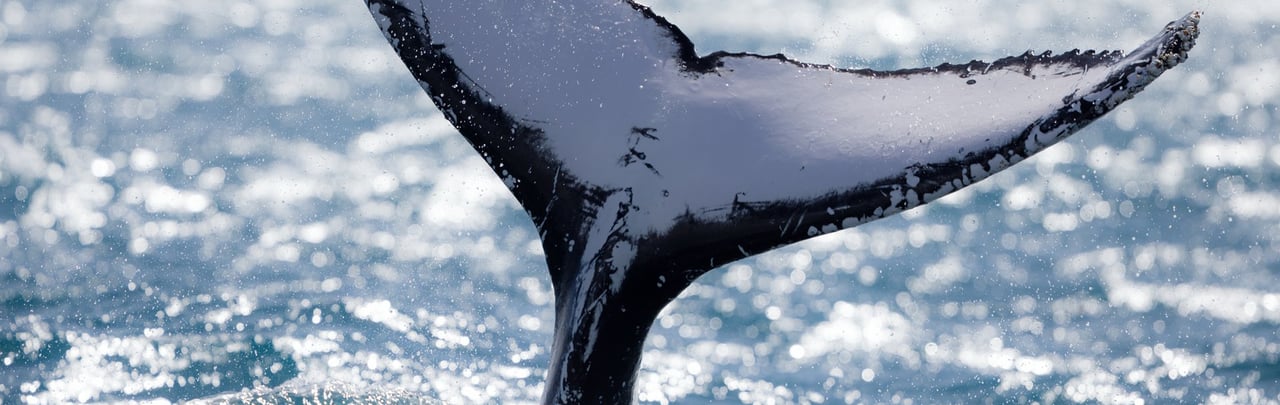
Dolphins in the wild face a number of threats. These include ocean pollution, climate change, and habitat loss.
Dolphins are frequently killed and injured by commercial fishing gear. Rising sea temperatures are impacting dolphins’ ability to reproduce. Human activities are damaging dolphin habitats, including coastal areas, rivers, and the open ocean.
And that’s not all. Dolphin hunting is still legal in some countries, and many dolphins are kept in captivity. They’re living in stressful and unnatural conditions, and are forced to perform for paying customers.
World Dolphin Day isn’t just a day of celebration. It’s also a reminder that these intelligent, social, and sentient animals need our protection — from exploitation, hunting, habitat loss, and pollution.
If you want to mark this Dolphin Awareness Day by taking meaningful action for this incredible cetacean species, here’s what you can do:
Find out about other animal awareness days and donate to save dolphins today.
Donate now
When you make a donation, you’ll join a passionate group of supporters who are determined to change the world for animals. We're fighting animal cruelty wherever we find it — are you with us?
Click to donateYes, dolphins sleep — but in a very different way to humans. Only one half of a dolphin’s brain sleeps at any given time. This allows the other half of the brain to stay alert, so dolphins can watch for danger and surface to breathe, even while resting.
Yes, dolphins are mammals, not fish. They breathe air through their lungs, are warm-blooded, give birth to live young, and produce milk to nurse their young.
Most wild dolphins live between 30 and 50 years, with females tending to live slightly longer than males.
Dolphins live in oceans, seas, and some rivers across the world. They can be found in cold, tropical, and temperate waters, in salt and freshwater habitats, in coastal areas, and in the open ocean.
Yes, they are. The Amazon River dolphin and the Indo-Pacific humpback dolphin are known for their pink colouration. These dolphins are found in freshwater habitats, and their skin turns pink as they mature. Males tend to be bigger and pinker than females.
Dolphins can hold their breath for five to ten minutes, depending on the species. But they typically surface to breathe a couple of times a minute.
Heritage Sites
World Animal Protection in partnership with World Cetacean Alliance recognise outstanding destinations for responsible wild whale and dolphin watching
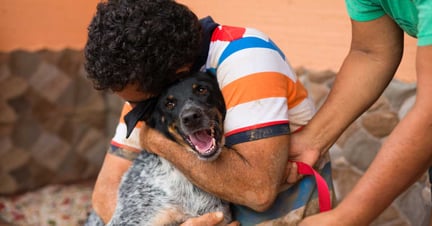
Sentience
Let's celebrate animals! Enjoy our list of official and unofficial animal awareness days observed around the world, nationally, and internationally.
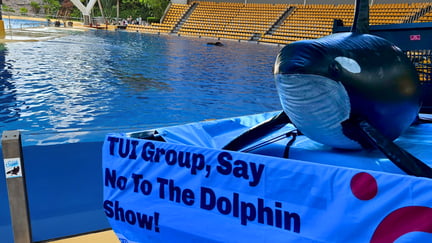
TUI is still selling over 400 offers to facilities that breed and exploit dolphins, directly fueling an industry built on suffering.
Blog
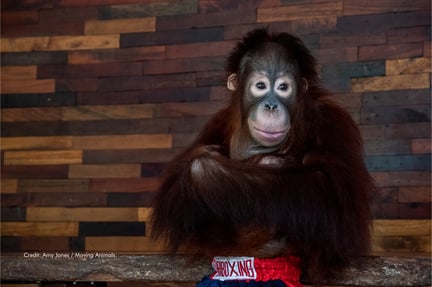
Orangutans are being taken from the wild for the illegal pet trade. Learn how it happens, what happens...
Blog
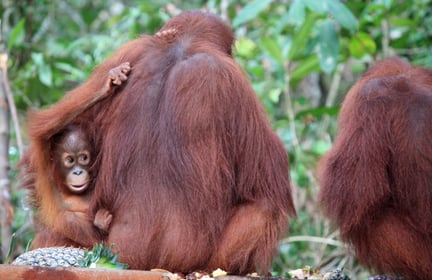
Discover the world of female orangutans, from lifelong mother-infant bonds to the family dynamics that shape every generation...
Blog
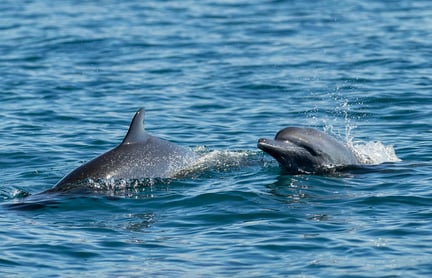
Discover different types of dolphins, from bottlenose dolphins to pink river dolphins. Learn about their traits, habitats, threats,...
Blog
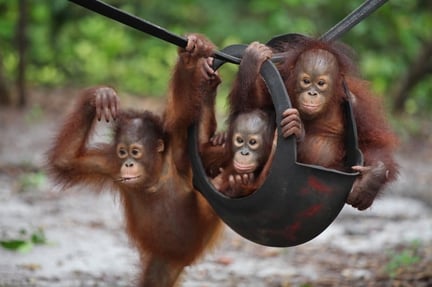
Discover 7 fun facts about orangutans, from what their name means to why all three species are critically...