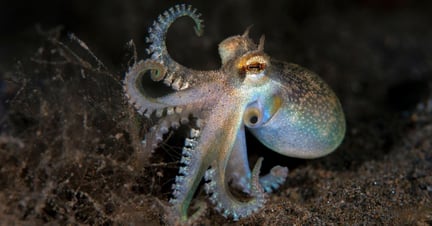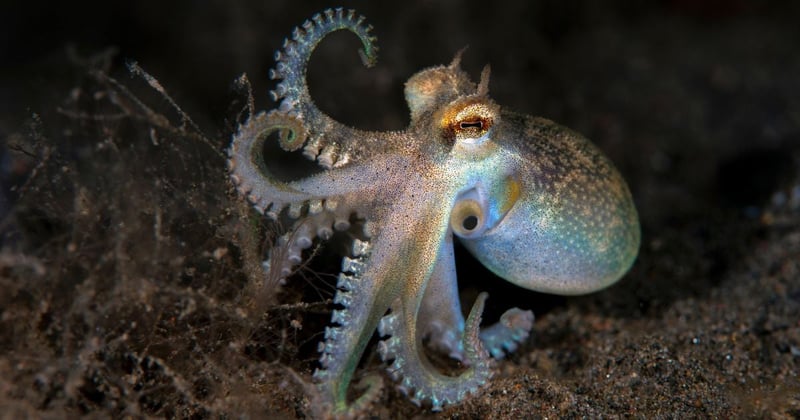
Plans for the world's first commercial octopus farm have been abandoned in a big win for animal welfare after years of sustained pressure from NGOs, scientists and the public.
Spanish seafood multinational Nueva Pescanova had been pursuing plans since 2019 to build a large-scale octopus farm at the port of Las Palmas in Gran Canaria, with the aim of producing thousands of tonnes of octopus meat a year.
The proposal drew fierce opposition from the start, with campaigners warning that farming octopuses at industrial scale would cause severe suffering to an animal now widely recognised as intelligent and sentient.
How collective pressure helped stop the octopus farm
Working alongside other organisations, we have helped raise awareness of the risks of octopus farming through our channels, urging the public to speak out against plans that would have caused significant suffering to octopuses.
Organisations such as Compassion in World Farming have led campaigns to end plans for the farm, including publishing research into the welfare and environmental risks and mobilising public opposition through petitions and pledges signed by NGOs, MEPs, and scientific experts.
That collective pressure has now paid off, with the company confirming it has walked away from the plans.
"Factory Farming of Octopus Should Never Have Been on the Agenda"
Commercial farming of octopus would have been cruel and unsustainable. We know that octopuses are highly intelligent animals that are capable of problem solving, learning and experiencing pain. They are solitary animals and become aggressive when surrounded by others, so they would especially suffer in farming conditions.
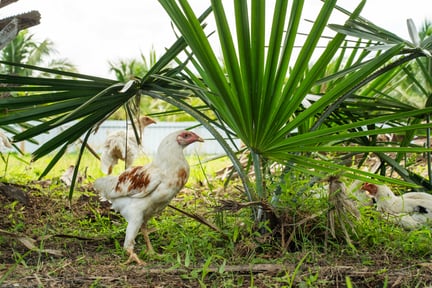
Octopus also need to be fed other marine creatures, creating a loop of potential animal suffering and loss of ocean biodiversity, similar to factory farming of pigs and chickens.
Factory farming of octopus should never have been on the agenda and it's time we phased out factory farming of all animals for good.
You can make a difference for vulnerable animals
Donate now
When you make a donation, you’ll join a passionate group of supporters who are determined to change the world for animals. We're fighting animal cruelty wherever we find it — are you with us?
Click to donateWhy octopus farming raised such serious welfare concerns
Octopuses, which are solitary by nature and thrive on complex environments to explore, would suffer significantly in the crowded tanks proposed for the farm.
They are highly-intelligent, sentient creatures, who have been documented struggling in captivity to the point of cannibalism and inducing self-harm.
Concerns were also raised over the farm's environmental footprint, including its reliance on wild-caught fish as feed and its potential impact on marine biodiversity near the site.
What this means for the future of factory farming
The abandonment of the project is being seen as a celebratory moment in the growing global movement against octopus farming, and adds momentum to calls for a wider phase-out of factory farming across all animal species.
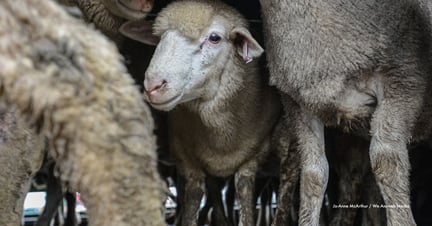
Millions of animals still suffer in both land and sea factory farming models, with salmon and fish farms also gaining in production. We will continue to fight for higher animal welfare and ensure farmed animals are provided with a decent quality of life.
Our food systems need a transformation to be more humane, ethical and sustainable, to protect animals, people, and the planet.
Related content
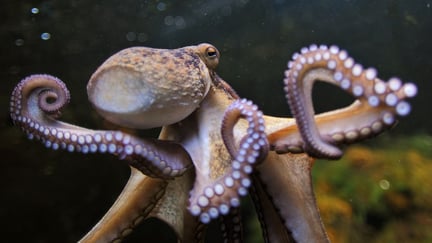
Chile proposes to ban octopus farming
News
Chile introduces legislation to prohibit octopus farming, recognising octopuses as sentient beings and could set a precedent for Latin America.
Factory Farming Quiz: Test Your Knowledge
Test your knowledge with our factory farming quiz covering animal welfare, sustainability, environmental impact, and modern food systems.
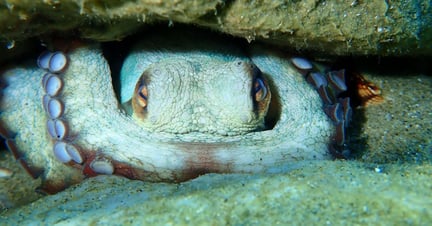
Octopus farming in Spain raises animal welfare and environmental concerns
News
The expansion of octopus farming in Spain is facing growing opposition due to serious animal welfare, environmental, and ethical concerns.